Premium furniture is often associated with carefully styled interiors and immaculate showrooms. In reality, most homes are busy, lived-in spaces, shaped by everyday routines, family life, and constant use. Children climb, pets stretch out, drinks spill, and furniture is used as intended - not preserved for special occasions.

At Furl, we know that well-designed premium furniture reflects this reality. Rather than focusing purely on appearance, modern high-quality pieces are engineered to balance comfort, durability, and longevity, ensuring they perform just as well in real homes as they do in controlled showroom environments.

In this article, we will explain how premium furniture is designed to withstand pets, children, and daily wear, and why thoughtful construction and material choices make a meaningful difference over time.

1. Materials Chosen for Durability, Not Just Appearance

The longevity of any piece of furniture begins with its core materials. Premium manufacturers prioritise structural integrity and long-term performance rather than surface-level appeal alone.

Solid hardwood frames are commonly used instead of softer woods or engineered alternatives, as they provide greater resistance to warping, cracking, and structural fatigue. High-density foams are selected for seating and back cushions to maintain shape and support, even after years of regular use. Upholstery fabrics are tested for abrasion, colour fastness, and resistance to everyday friction.

These material choices are not always visible at first glance, but they play a significant role in how well furniture holds up in busy households.

2. Upholstery Designed to Withstand Everyday Living

In homes with pets or children, upholstery needs to cope with constant contact, movement, and the occasional mishap. Premium furniture upholstery is designed with this in mind, combining aesthetic appeal with practical resilience.

Tightly woven fabrics reduce the likelihood of snagging from claws or sharp edges, while performance textiles are developed to resist liquid absorption and staining. High-quality leathers are treated to age gracefully, developing character over time rather than cracking or peeling. In some cases, removable covers are incorporated to make cleaning and upkeep more manageable.

The result is upholstery that feels comfortable and refined while remaining suitable for daily use.

3. Cushion Construction That Maintains Comfort Over Time

Cushions are one of the first areas where poor-quality furniture shows wear. Premium furniture places a heavy emphasis on internal cushion construction to ensure long-term comfort and appearance.

Layered foam cores are commonly used to provide consistent support, while fibre-wrapped designs add softness without compromising structure. Zoned cushioning may be introduced to support different pressure points, improving comfort for a wide range of body types and seating preferences. Reversible cushions also help distribute wear more evenly, extending their usable lifespan.

These construction methods prevent cushions from flattening prematurely and help furniture retain its intended shape.

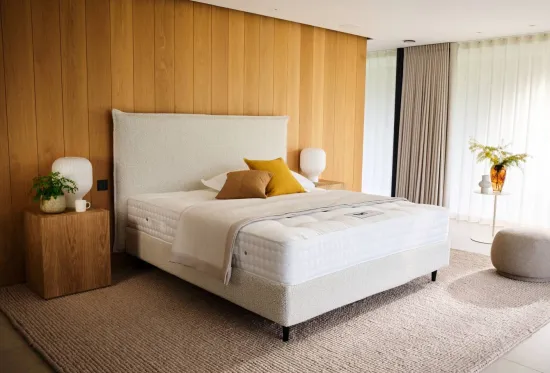
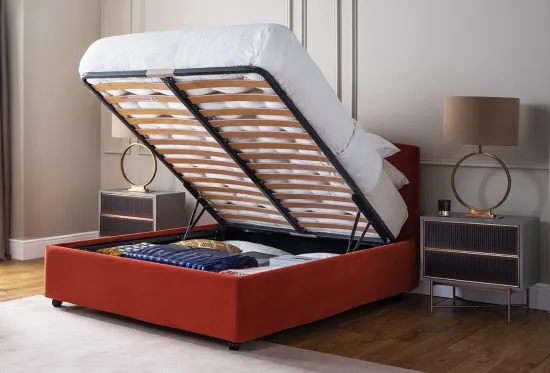
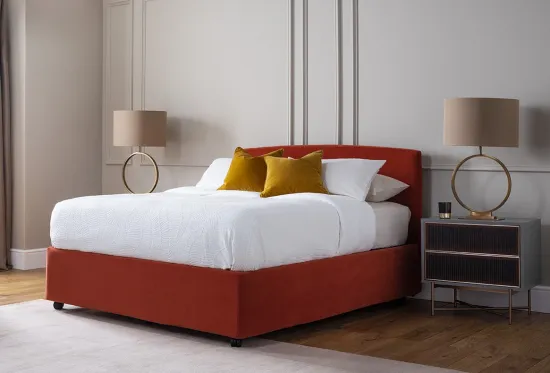
max ottoman bed

4. Structural Design Built for Active Homes

Furniture in family homes experiences more stress than many people realise. Children sitting on arms, pets jumping on and off, and multiple users sharing the same seating all place strain on frames and joints.

Premium furniture accounts for this through reinforced construction methods. Frames are typically glued, dowelled, and screwed rather than stapled, creating stronger joints that resist loosening over time. Weight distribution is carefully considered, and seating structures are often load-tested to ensure stability under repeated use.

This structural approach reduces creaking, movement, and long-term damage, even in high-use environments.

5. Upholstery and Finishes Chosen With Maintenance in Mind

Easy maintenance is a key factor in how long a piece of furniture will last. To maximise longevity, premium brands understand that their furniture must be easy to clean and care for without specialist intervention.

Fabrics are often treated to resist stains and spills while remaining breathable and comfortable. Finishes are selected to tolerate regular vacuuming, light cleaning, and everyday contact. Colour choices may also be designed to disguise minor marks between cleans, reducing the need for constant upkeep.

The goal is furniture that remains presentable and functional without placing unrealistic demands on daily maintenance.

6. Design Details That Help Reduce Visible Wear

Beyond materials, subtle design decisions influence how furniture ages. That’s why many other premium furniture manufacturers incorporate features that help minimise the appearance of wear over time.

Textured fabrics can disguise minor imperfections more effectively than smooth finishes. Piped edges help cushions retain their shape, while raised legs protect bases from moisture, knocks, and general floor-level wear. Balanced seat depths and supportive proportions also reduce pressure points that can lead to uneven wear patterns.

These details contribute to furniture that looks better for longer, even in busy households.

7. Testing That Reflects Long-Term Use

Premium furniture is typically subjected to testing processes designed to simulate years of regular use. This goes well beyond basic safety requirements.

Testing often includes repeated sitting and standing cycles, fabric abrasion testing, load tolerance assessments, and frame movement analysis. These procedures help identify weaknesses before furniture reaches the home, ensuring it performs consistently under real-world conditions.

Such testing provides reassurance that the furniture has been designed with longevity in mind.

8. Comfort Designed for Shared Living Spaces

In real homes, furniture is shared by people of different ages, sizes, and habits. Premium furniture takes this into account during the design process.

Seat firmness is carefully balanced to suit both upright seating and relaxed lounging. Back cushions provide support without feeling rigid, while arm heights are designed to be comfortable for a range of uses. In some designs, deeper seating options allow for more informal use, accommodating everything from family movie nights to quiet evenings.

This inclusive approach ensures furniture works for everyone in the household.

9. Longevity as a Core Design Principle

Rather than following short-lived trends, premium furniture is designed with longevity as a guiding principle. This applies to both construction and visual design.

Strong frames, replaceable upholstery, and high-quality components allow furniture to be refreshed rather than replaced. Timeless silhouettes and neutral foundations adapt more easily to changing interiors, reducing the likelihood of furniture feeling outdated.

This long-term mindset supports sustainability and provides better value over time.

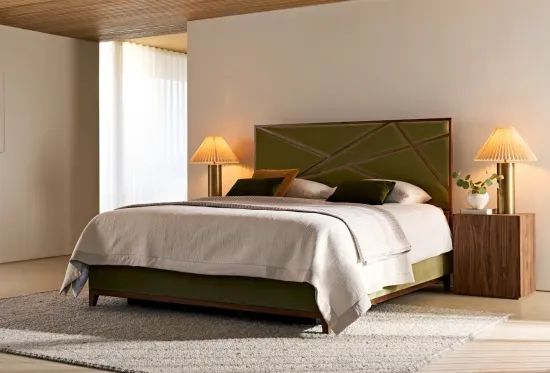
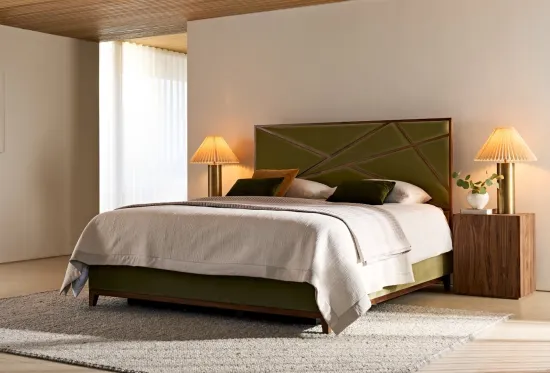
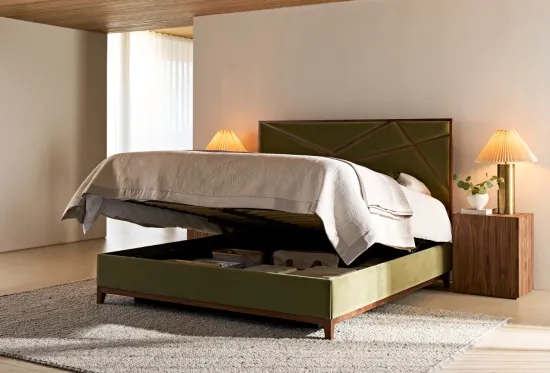
illusion ottoman bed

10. Furniture Designed for Real Homes, Not Idealised Spaces

Perhaps the most important shift in premium furniture design is realism. Pieces are now created with genuine living conditions in mind, rather than idealised showroom settings.

Proportions are designed to work within everyday homes, seat heights support comfort over long periods, and finishes are selected to cope with daily routines. The emphasis is on furniture that complements life as it is lived, rather than requiring households to adapt around it.

What to Look for When Choosing Furniture for Busy Homes

When selecting premium furniture for households with pets, children, or high daily use, focus on:

Strong, reinforced frame construction

High-quality cushioning that retains shape

Durable, easy-care upholstery

Thoughtful design details that reduce wear

Proven testing standards

Comfort suitable for everyday use

These elements help ensure furniture supports real living without sacrificing quality or appearance.

Frequently Asked Questions

Is premium furniture suitable for homes with children?

Yes. Well-made furniture is designed to withstand frequent use and movement without compromising structure or comfort.

What upholstery works best with pets?

Tightly woven fabrics, performance textiles, and treated leathers tend to be more resistant to wear and easier to maintain. So, if you have pets who like to get up on your indoor furniture, you can’t go wrong with any of the options above.

Does premium furniture require more upkeep?

Not typically. The premium materials that we use at Furl for our furniture are specifically chosen to reduce maintenance and the level of upkeep required.

How long should high-quality furniture last?

With appropriate care, premium furniture can remain structurally sound and comfortable for many years.

Is premium furniture a sensible choice for busy households?

Yes. Its durability and longevity often make it a more practical investment over time. This is especially true if you choose to buy your furniture from an established and reputable brand like Furl.

Can premium furniture still feel relaxed and informal?

Absolutely. Many of our designs are created to balance structure with softness, making them ideal for everyday living.

Related Products

David Norman

David Norman is the founder of Furl, a UK-based furniture brand known for redefining how people live with space-saving, design-led storage beds and sofa beds.

With almost two decades of hands-on experience in product design, manufacturing, and brand strategy, David has built Furl into a trusted name among urban professionals seeking calm, clutter-free homes. His work has been recognised for its innovation and craftsmanship, with features in publications such as Yahoo Finance and The Telegraph.

David continues to lead Furl’s creative direction, developing furniture that solves real-world problems without compromise.

Got Questions? Lets Talk!