Basket Summary
There are no more items in your basket
By Type
Your sofa works hard. It hosts movie nights, muddy paws, breakfast in front of the news, and the occasional guest who stays a week longer than planned.
If you've got a busy household, children, or pets, the fabric you choose decides whether your furniture still looks loved in ten years or tired in two. We've spent over 16 years designing and hand-crafting furniture in our Nottingham workshop, and we've learned that a durable fabric is the quiet foundation of a calm home. Choose well once and you stop worrying about every spill. Here's everything we know.
In this article
I. What makes a fabric durable?
II. What affects a fabric's lifespan?
III. What are the most durable fabrics for furniture?
IV. Leather furniture vs. fabric options
V. How to choose the right fabric
VI. How can you make a fabric last longer?
VII. Fabric durability FAQs
Three things decide how well a fabric survives everyday life: fiber content, weave, and treatments.
Fiber content is the raw material. Natural fibers like linen and wool bring inherent strength. Synthetic fibers like polyester add abrasion resistance and stain repellency. Many of the best upholstery fabrics blend both.
Weave is how those fibers come together. Tight, dense weaves shrug off claws, buckles, and constant sitting. Loose weaves feel wonderful but snag more easily.
Treatments are the finishing touch. Stain-resistant coatings and performance finishes help a fabric bounce back from spilled tea and sticky fingers.
In the UK, durability is measured with the Martindale rub test, which rubs fabric in a circular motion until it shows wear. The higher the score, the tougher the fabric. For normal home use, look for a rating of 18,000 to 25,000 rubs or more.
More fibers packed into each square inch means more material to absorb wear before the fabric shows it. A high fiber count gives you a denser, heavier cloth that keeps its shape and color for years.
Tight weaves like twill resist snagging and pulling. This matters most if you share your home with a cat who treats your armrest as a scratching post. Loose, looped weaves need a gentler household.
Performance finishes repel liquid, resist stains, and slow fading. A treated fabric gives you a few precious seconds to grab a cloth before a spill becomes a stain. For busy family rooms, this is worth prioritizing.
Durability covers more than rubbing. A great fabric also resists pilling, fading, and moisture. A high rub count alone is not the full picture. A sofa near a sunny window needs strong lightfastness too, ideally rated 6 or higher, so the color stays true through every summer.
Here are our favorites, ranked roughly from most durable to least. Every one of them can serve you beautifully in the right room.
Linen is 30 percent stronger than cotton, making it the most durable of all plant fibers. Its fibers resist abrasion, tearing, pilling, and fading, and it absorbs up to 20 percent of its weight in moisture without feeling damp.
Linen also does something rare. It gets softer with every clean while keeping its strength. It ages gracefully instead of wearing out.
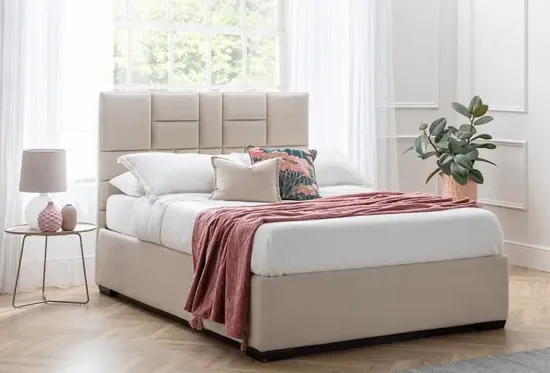
Best for: living room sofas and storage beds in bright, airy homes. Keep it out of direct sun, as prolonged UV exposure fades natural tones over time.
Wool fibers have a natural crimp that lets them flex and recover, so wool upholstery resists crushing and keeps its shape. It naturally repels light moisture and resists dirt.
Best for: everyday armchairs and sofas where you want warmth, texture, and resilience in one fabric.
Chenille's dense, plush pile hides wear well and stands up to regular family use. Its raised texture disguises light marks that would show on flat fabrics.
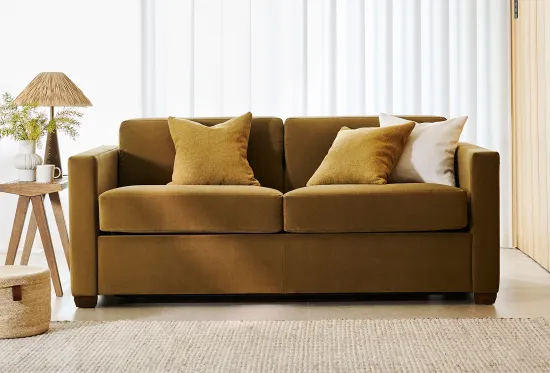
Best for: family sofas and sofa beds that get sat on every single day.
Faux leather wipes clean in seconds and resists spills better than most woven fabrics. It gives you a leather look with easier upkeep and a lower price.
Best for: dining chairs and high-spill zones. Sticky fingers meet their match here.
Modern velvets are tougher than their reputation suggests, especially performance versions with high rub counts. Velvet needs more care than flat weaves because its pile can crush under constant pressure.
Best for: statement pieces, occasional chairs, and bedrooms where beauty leads.
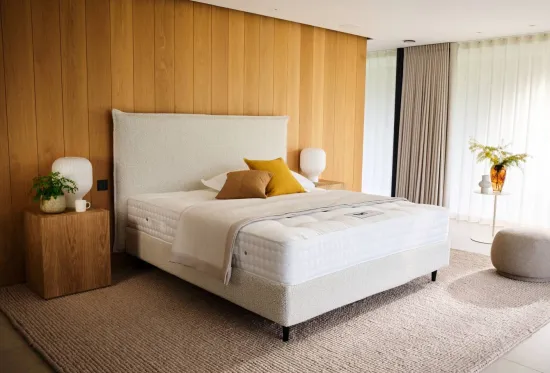
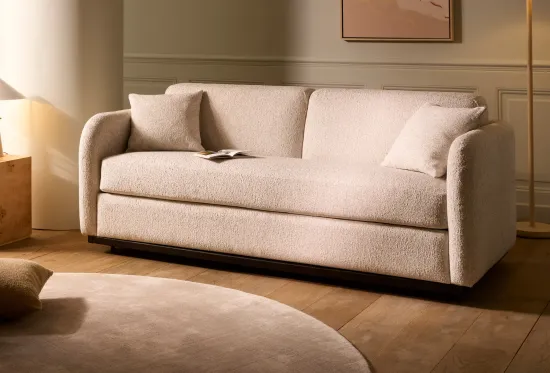
Chances are, you've seen boucle everywhere lately. It sits in a middle position for durability, tougher than delicate fabrics like velvet and less rugged than performance fabrics or leather. Quality matters enormously here. Tight, uniform loops resist snagging far better than loose, irregular ones.
Best for: homes with moderate use. Households with cats or young children will find the loops tempting targets, so choose a performance boucle blend if your heart is set on the look.
This is the question we hear most often in our showrooms, so here's an honest answer.
A quality leather sofa, well cared for, lasts 15 to 20 years. A quality fabric sofa lasts 7 to 12 years, and performance fabrics stretch that toward 12 to 15. Leather develops a patina over time, a soft sheen and relaxed character that many people love. It wipes clean easily, which makes it a strong choice for pet owners.
Fabric wins on warmth, softness, color choice, and price. It feels cozier in winter, comes in nearly endless shades and textures, and washable covers make life with children simpler.
? Our advice: choose leather if longevity and easy wiping matter most. Choose fabric if comfort, color, and a softer feel matter most. Both reward you when the underlying construction is excellent.
Start with your real life, honestly assessed. Do you have a dog who claims the sofa the moment you leave the room? Prioritize tight weaves with high abrasion resistance and stain repellency. Live alone in a calm flat? Almost any quality fabric will serve you well.
Give your hardest working pieces your toughest fabrics. An everyday sofa bed deserves 25,000 rubs or more. A bedroom chair that mostly holds tomorrow's outfit can wear something more delicate. This is commonly overlooked, and it's the single easiest way to make furniture last.
Mid-tone colors and textured weaves hide everyday life gracefully. Very pale fabrics show marks, and very dark ones show pet hair and dust. Patterns and heathered finishes disguise both. Pick something you'll still love in a decade, because with the right fabric, you'll still be sitting on it.
Even the toughest fabric appreciates a little care. These habits add years:
⚠️ One warning: always check the care label before cleaning. The wrong product can set a stain permanently or damage a treated finish.
Linen leads among natural fibers, being 30 percent stronger than cotton and resistant to pilling and fading. For sheer toughness across all materials, quality leather and performance fabric blends top the list.
Cotton is moderately durable. It's breathable, soft, and easy to clean, and blends with synthetic fibers improve its strength considerably. Pure cotton suits medium-use furniture rather than the hardest working pieces in your home.
Yes. Its dense pile handles daily family use well and hides light wear. Keep it away from cats' claws, as the raised texture can snag.
Very. Polyester resists abrasion, fading, and stains, which is why it appears in so many performance blends. Combined with natural fibers, it delivers strength plus softness.
Moderately. Well-made boucle with tight, uniform loops performs excellently in homes with moderate use. Performance boucle blends with polyester or olefin add abrasion resistance while keeping that signature texture. Loose loops and pets are a difficult pairing.
Yes, remarkably so. Linen is the strongest plant fiber, resists pilling and fading, and actually softens with age and cleaning. Protect it from constant direct sunlight and it lasts for many years.
Pros: exceptional lifespan of 15 to 20 years, easy wipe-clean maintenance, a patina that improves with age, and strong performance in homes with pets.
Cons: higher upfront cost, fewer color options, a cooler feel in winter, and vulnerability to scratches from sharp claws on some finishes.
Photos and rub counts only tell you so much. Fabric is something you live with, lean on, and fall asleep against, so we always recommend getting samples in your hands and your light before you commit. Hold them against your walls, your curtains, and yes, your dog.
Order free fabric samples Visit a showroom