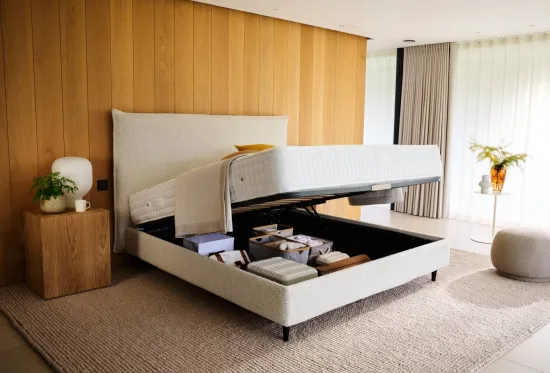
For most people, the appeal of an ottoman bed is obvious: it offers storage where there was none, space where there wasn’t enough, and function without compromising style. But the mechanism that makes it all possible is often overlooked - until it stops working, feels awkward, or demands more physical effort than expected. Truth is, the mechanism inside an ottoman bed isn’t just a functional detail; it’s the linchpin of the entire design. And when you’re spending real money on a piece you’ll use every single day, the quality of that lift system - how it opens, how it holds, how it lasts - becomes absolutely non-negotiable.

Ottoman bed mechanism

How Ottoman Bed Mechanisms Work

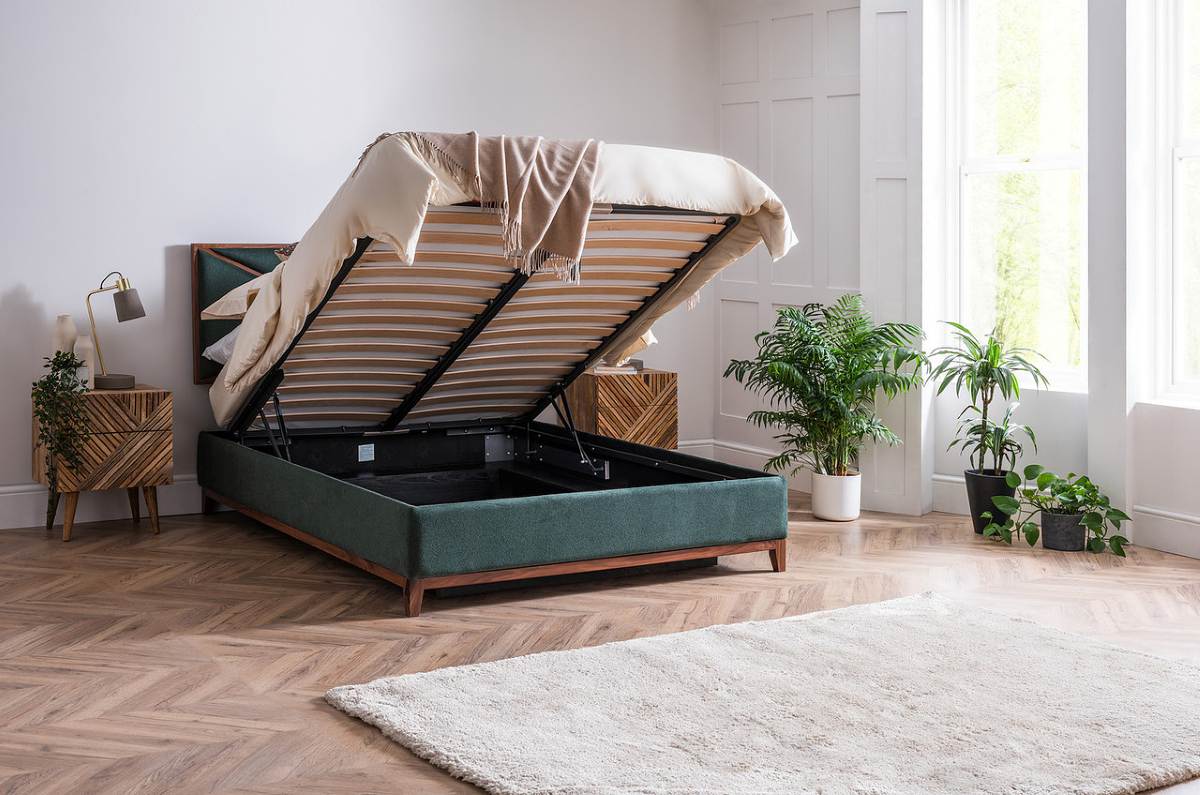
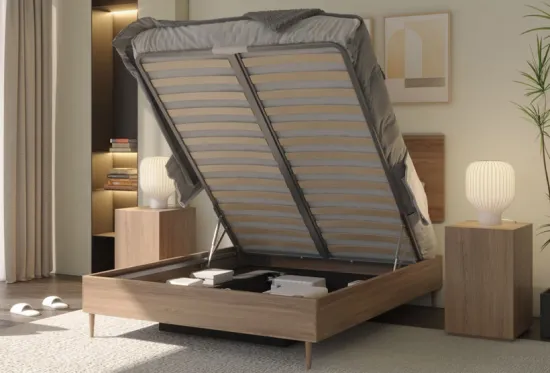
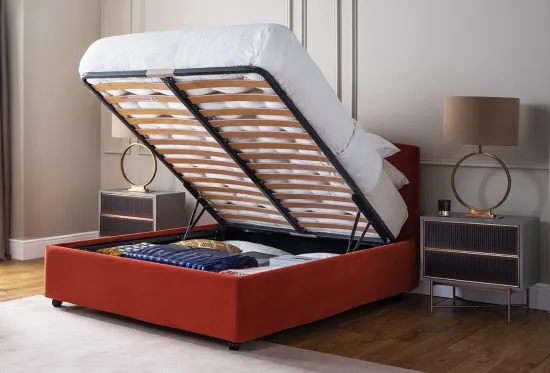
The principle behind an ottoman bed is deceptively simple: the mattress platform lifts to reveal a storage cavity beneath. What makes this lift safe, usable and long-lasting is the mechanism - typically either gas struts (manual) or a motorised system. These mechanisms are engineered to counterbalance the weight of the mattress and any bedding, enabling the user to open and close the platform with minimal effort. The base itself is reinforced and structured to handle both the load and the movement; it’s not just about lifting once - it’s about being able to access your storage hundreds of times without issue.

Gas Strut Systems

The most common type of ottoman mechanism is gas-assisted. These rely on hydraulic pistons - essentially pressurised cylinders - to ease the strain of lifting and prevent the base from crashing down when lowered. When the struts are matched correctly to the weight of the mattress and the platform, they make lifting feel smooth and controlled. If they’re mismatched or poorly made, however, the lift becomes stiff, the hold unstable, or worse - the mechanism begins to fail over time. That’s when beds become difficult to open or require two hands and a sharp yank to move.

Side-Opening Vs End-Opening

It’s not just the how - it’s the direction. Side-opening ottoman beds lift from one long edge, giving access when one side of the bed is pushed against a wall or placed in an awkward alcove. End-opening beds lift from the foot, allowing access from either side but requiring more clearance at the bottom. The orientation you choose will dictate where the bed can be placed and how often you’re realistically going to use the storage. A poorly chosen opening direction can turn an otherwise convenient bed into a daily frustration.

Electric Or Motorised Mechanisms

At the high end, electric ottoman beds take physical effort out of the equation entirely. A motorised mechanism lifts and lowers the bed at the push of a button, controlling speed, ensuring consistency, and often incorporating safety sensors that detect obstacles in the path of the lift. For households with heavy mattresses or users with reduced mobility, this shift from manual to electric isn’t just a luxury - it’s a practical necessity. And the difference in day-to-day experience is profound: what once required a heave now feels like a quiet act of design elegance.

Ottoman bed

Why Mechanism Quality Matters

The mechanism is the beating heart of an ottoman bed. Everything else - fabric, frame, mattress, finish - rests on its shoulders. If it’s not engineered properly, the entire experience of using the bed degrades. And more importantly, poor-quality mechanisms often have no recourse: they’re difficult to replace, impossible to adjust, and wear out long before the rest of the bed does.

Effortless Operation

A bed that’s difficult to open simply won’t be opened. You’ll avoid the storage, leave things out, and slowly resent the piece. On the other hand, a bed with a quality mechanism encourages you to actually use what you’ve paid for. The lift becomes intuitive, one-handed, smooth. No squeaking, no jarring movements, no sudden drops. That level of ease changes how you use your space - and how well you keep it organised.

Long-Term Durability

Storage isn’t light. Bedding, suitcases, boxes of seasonal clothes - over time, that weight adds up. The best ottoman beds are constructed with this in mind: reinforced platforms, metal brackets, high-grade gas pistons or reliable motors. These beds are built to be used, not just admired. Inferior designs, meanwhile, often show signs of fatigue within months: uneven motion, sticking points, or worst of all, structural failure. Once that happens, there’s no graceful fix.

Safety

It’s easy to underestimate how important safety is until something goes wrong. A mattress slamming shut because a piston fails isn’t just irritating - it’s dangerous. A high-quality mechanism includes built-in protections: locking positions, damped movement, and, in electric models, sensors that prevent closure if something (or someone) is in the way. For families, for older users, for anyone who values peace of mind, that difference is significant.

Compatibility With Mattresses

A final but essential point: not all mechanisms are built to lift all mattresses. A deep hybrid or pocket sprung mattress can weigh 40–50kg. Cheap mechanisms aren’t engineered to handle that weight - and will resist opening or wear out prematurely. Quality systems are matched to mattress types and can often be adjusted based on your specific choice. This ensures the lift remains easy and safe, even as your sleep preferences evolve.

How Furl Ottomans Work

Furl’s electric ottoman beds reimagine the concept entirely. At their core is a fully motorised mechanism designed for daily use - the bed opens with a simple tug on the lifting strap, then takes over on its own. Once initiated, the mattress platform glides upward in a steady, controlled motion. To close it, a discreet button press is all that’s needed. Even if your mattress is thick, heavy or laden with bedding, the system handles it with ease. Storage underneath reaches up to 40cm in depth (in the Max version), with the base engineered to support both the load and the movement. Safety is built in - advanced pressure sensors detect any obstruction and halt the motion, much like the automatic window system in a modern car. These beds are delivered in sections and assembled professionally on-site, meaning access issues - narrow stairs, tight corners - don’t stand in the way of ownership. In short, the lift system is designed not just for showroom convenience, but real-world usability, day in, day out.

Related Products

David Norman

David Norman is the founder of Furl, a UK-based furniture brand known for redefining how people live with space-saving, design-led storage beds and sofa beds.

With almost two decades of hands-on experience in product design, manufacturing, and brand strategy, David has built Furl into a trusted name among urban professionals seeking calm, clutter-free homes. His work has been recognised for its innovation and craftsmanship, with features in publications such as Yahoo Finance and The Telegraph.

David continues to lead Furl’s creative direction, developing furniture that solves real-world problems without compromise.