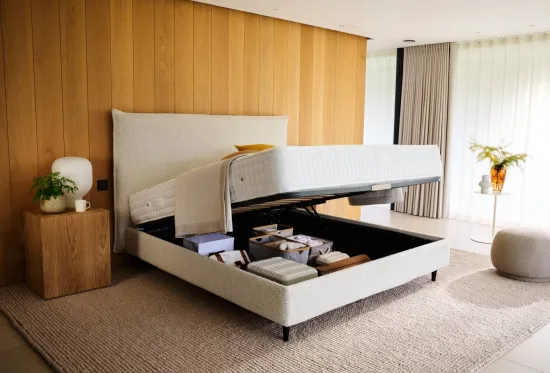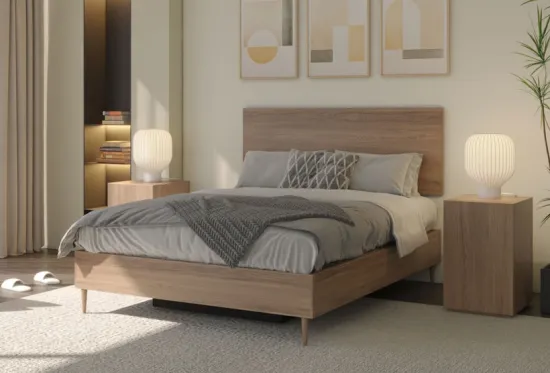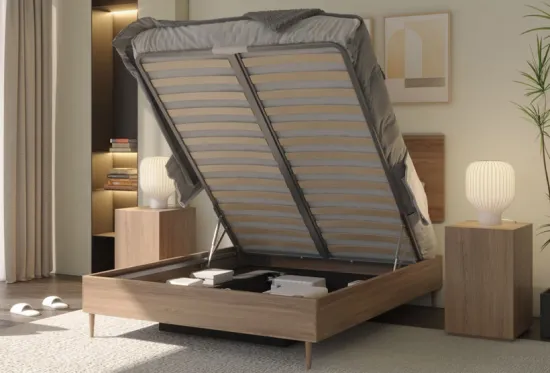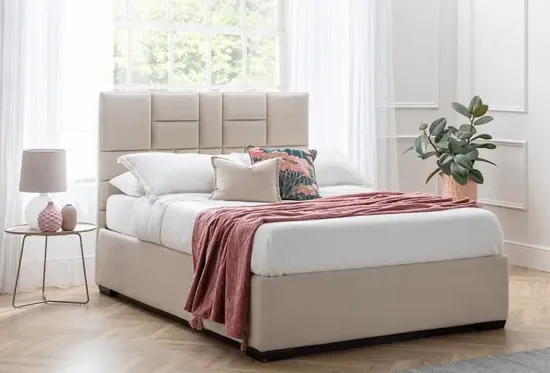


Where you place the bed decides almost everything else about a bedroom. The mood, the circulation, the way light falls in the first hour of the morning. A badly positioned bed can make even a large room feel disjointed; a well-positioned one can pull everything into calm alignment.

At Furl, we spend an unusual amount of time thinking about how beds behave in real rooms. Storage beds, for example, force you to understand access, flow and geometry in a way traditional frames never demand. That’s the beauty of good design - it teaches you how space wants to be used.

Let the Bed Face the Room, Not the Door

There’s a natural security in facing into the room rather than directly at the entrance. When the bed is tucked behind the door swing or pushed into a corner, the space feels fragmented and the bed loses its grounding presence. Placing the headboard on the wall opposite the door isn’t a rule, but it often creates the most balanced layout. The bed becomes the visual anchor rather than an afterthought hurried into the nearest gap.

Use the Longest Wall When You Can

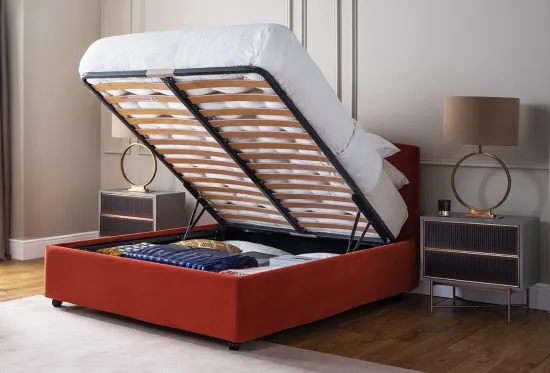
Bedrooms with awkward dimensions often tempt people to improvise. They push the bed beneath a window, or onto a short wall, simply because it seems convenient. But the longest wall generally offers the most natural backdrop. It allows for symmetry if you want bedside tables, and it leaves the room’s central axis clear. Furl’s storage designs benefit from this too - with deeper models offering up to 40cm of hidden space, the lift mechanism works best when the frame has room to breathe around it.

Leave Space on Both Sides - Even in Small Rooms

It’s easy to shove a bed against one wall if you’re short on space. But forcing one person to climb in from the bottom makes the bedroom feel more cramped, not less. Even a narrow margin - thirty or forty centimetres - creates the illusion of a considered layout. Movement around the bed matters. Symmetry isn’t the goal; accessibility is. At Furl, we see this all the time in compact London bedrooms where a storage bed actually frees more space by eliminating chests of drawers. Suddenly it’s possible to keep both sides open.

Consider the Window, but Don’t Worship It

There’s an old idea that beds should never sit under windows. But many modern homes, especially in cities, make that placement almost unavoidable. A low, upholstered headboard transforms this into a soft, intentional moment rather than a compromise. Just avoid blocking the window with bulky wood frames or tall headboards that interrupt the sightline. And if morning light hits too directly, sheer curtains diffuse rather than darken - a way of softening the placement without redesigning the room.

Think Vertically, Not Just Horizontally

People often think about bed placement purely in terms of floor space. But the vertical plane has just as much influence. A tall headboard on a narrow wall draws the eye upward, giving height to a room that might lack width. Wall-mounted bedside shelves free up floor space, creating a sense of air around the frame. Furl’s headboards, which can be wall-mounted at any height, make this kind of vertical playing almost effortless. When the bed sits beneath a statement headboard, the wall becomes part of the composition rather than dead space.

Avoid Blocking Natural Pathways

Every room has invisible routes - the way you naturally walk from the door to the wardrobe, or from the bed to the window. Place the bed in the middle of one of these paths and you’ll feel the disruption every single day. Step back from the room and imagine how someone unfamiliar with the space would move. If the bed interrupts that instinctive flow, it needs adjusting. Bedrooms aren’t static; they’re lived routes.

Work With Awkward Architecture Instead of Against It

Chimney breasts, alcoves, slanted ceilings - older British homes are filled with architectural quirks that don’t care about your furniture plan. But these quirks can become assets. An alcove can cradle a bed with remarkable symmetry. A chimney breast can provide structure for bedside lighting. A sloped ceiling can create an intimate sleeping zone if the bed sits beneath the higher edge of the incline. The trick isn’t to fight the oddities but to anchor the bed so the room’s natural shapes do some of the heavy lifting.

Use Storage Beds to Reclaim the Layout

Most bedrooms feel cramped because storage is consuming every inch of wall space. Remove two chests, a stack of boxes and an overfilled ottoman bench, and suddenly the bed is free to sit where it actually belongs. This is exactly why Furl engineered its storage beds so generously. With up to 40cm depth and gas-lift or electric mechanisms, they’re capable of replacing multiple freestanding units outright. Less furniture, more placement options, and better proportion. And for anyone looking to rethink the room from the ground up, you can explore our space-maximising sleep solutions right here on our website.

Don’t Overlook the Relationship Between Bed and Light

Where the morning light falls dictates where the bed feels most inviting. If the sun hits your face too aggressively, shift the bed slightly to the side. If the room feels dimmer than it should, avoid corners that block sightlines to the window. Bed placement isn’t just measured in centimetres; it’s measured in how you feel when you wake up.

Why Placement Matters More Than You Think

Ultimately, a well-placed bed makes the whole room function with grace. You move differently, you sleep differently, you breathe differently in the space. And with the right frame - especially one designed to maximise storage without crowding the room - placement becomes a tool rather than a limitation. Furl’s philosophy has always been rooted in this idea: give people furniture that frees space, not consumes it. And once the bed sits where it truly belongs, everything else falls into place.

Related Products

David Norman

David Norman is the founder of Furl, a UK-based furniture brand known for redefining how people live with space-saving, design-led storage beds and sofa beds.

With almost two decades of hands-on experience in product design, manufacturing, and brand strategy, David has built Furl into a trusted name among urban professionals seeking calm, clutter-free homes. His work has been recognised for its innovation and craftsmanship, with features in publications such as Yahoo Finance and The Telegraph.

David continues to lead Furl’s creative direction, developing furniture that solves real-world problems without compromise.

Got Questions? Lets Talk!