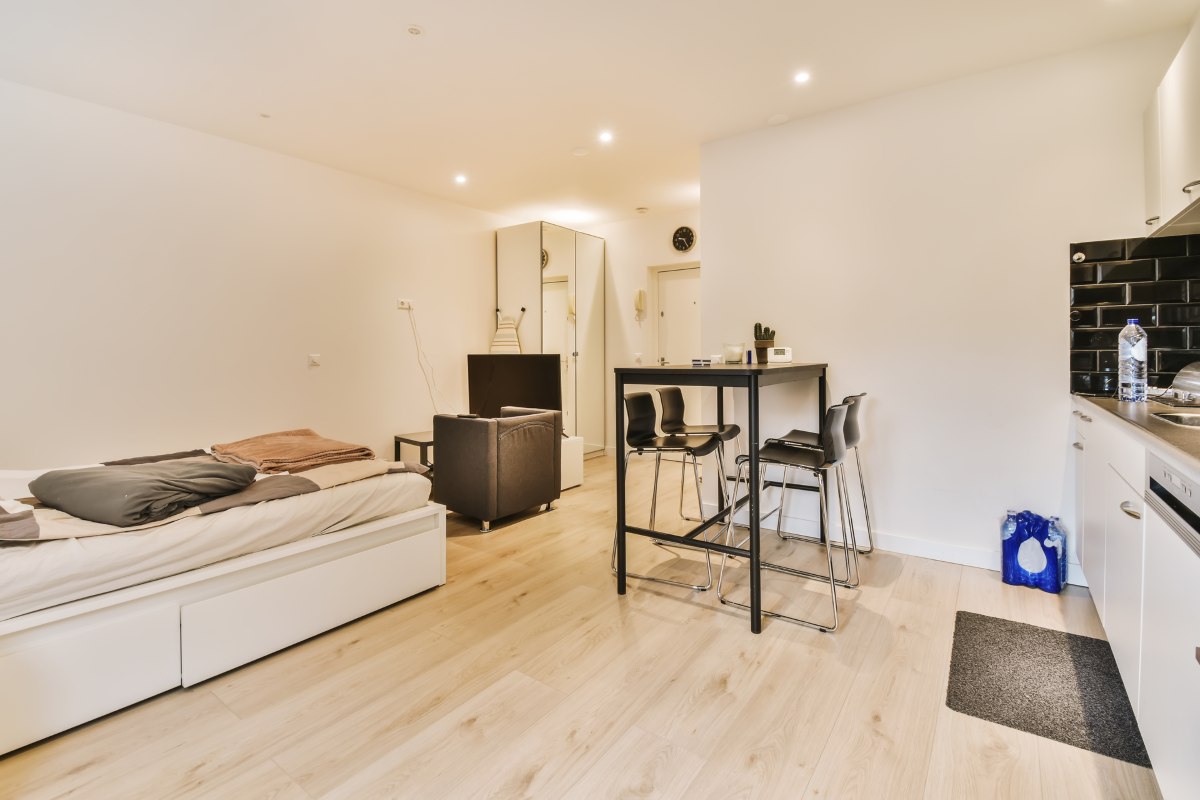
A studio apartment has its own kind of charm - a single room where living, resting, working and hosting all have to coexist without stepping on one another’s toes. When the layout is thoughtful, a studio feels like a well-tailored coat: compact, purposeful, quietly elegant. When it isn’t, everything competes for attention and the room starts to feel like it’s closing in.

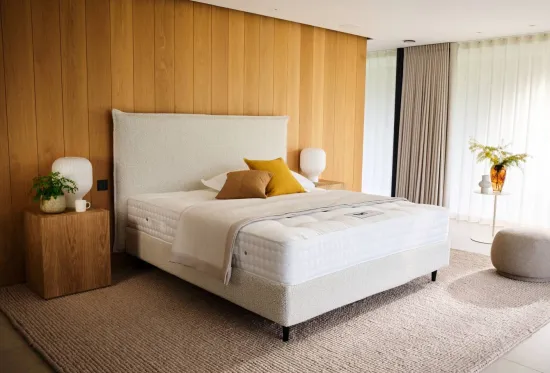
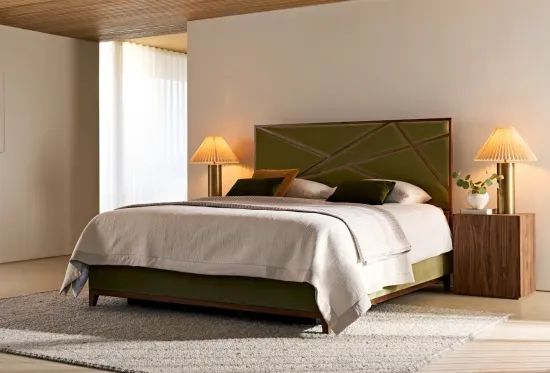
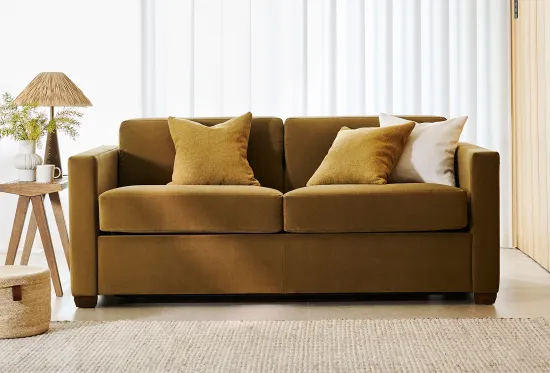
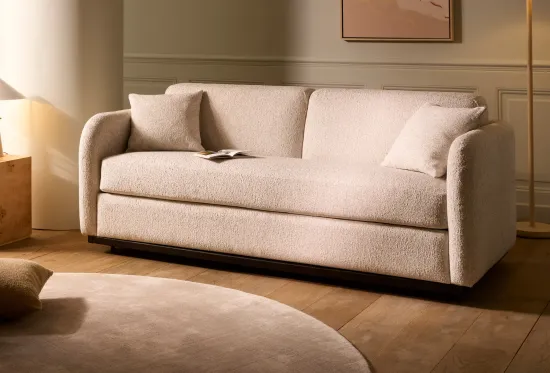
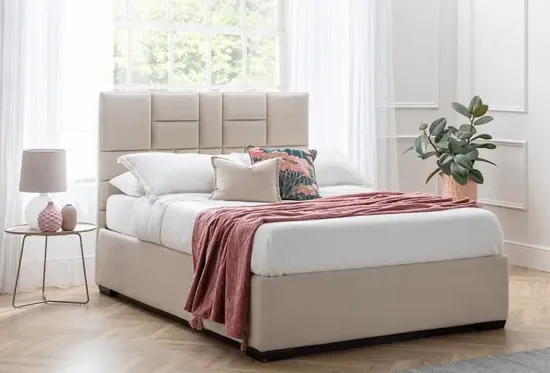
At Furl, our own design ethos grew out of the simple realisation that you don’t need more room - you just need multi-functional furniture, and pieces that work hard. We’re talking storage beds that lift to 1.7 metres. Sofa beds designed for daily use, not occasional panic hosting. Extending tables that shift from desk to dining space with almost architectural precision. In studios, the smallest decisions make the loudest impact.

Define Zones Without Building Walls

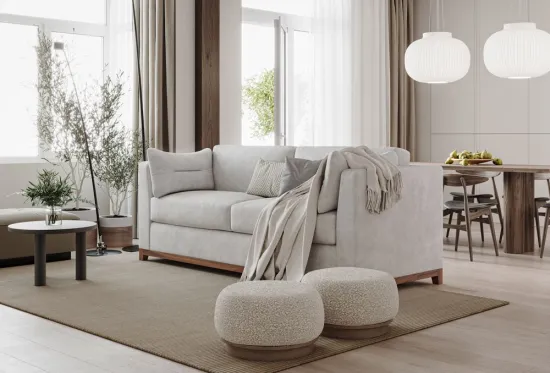
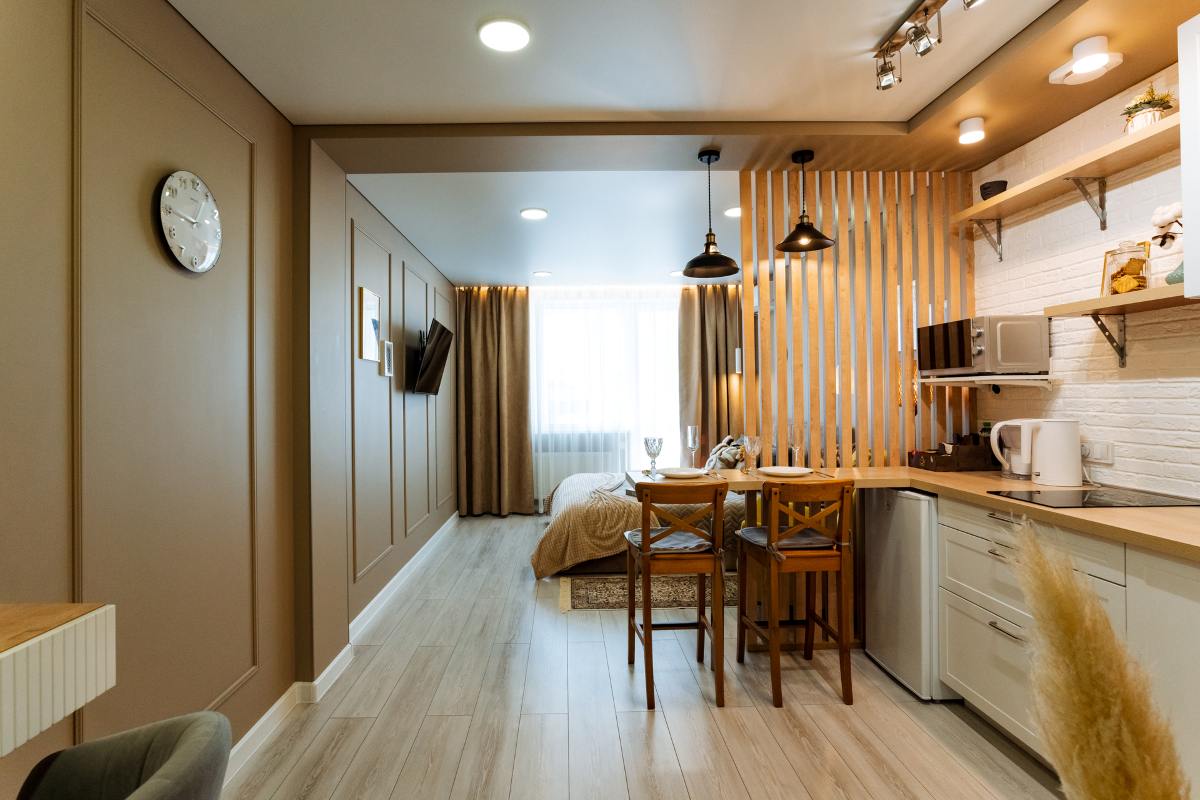
A studio can easily feel like one giant multipurpose blur. The trick isn’t to divide the room, but to guide it. A rug under the bed creates a sleeping zone, a slimline console behind the sofa signals “living area”. Sheer curtains can soften the boundary between spaces without blocking light.

Even the orientation of furniture can create invisible pathways; a sofa angled slightly away from the bed doesn’t just look intentional - it feels like a shift in function. The space starts to behave like a home rather than a single oversized room.

Choose Furniture That Earns Its Footprint

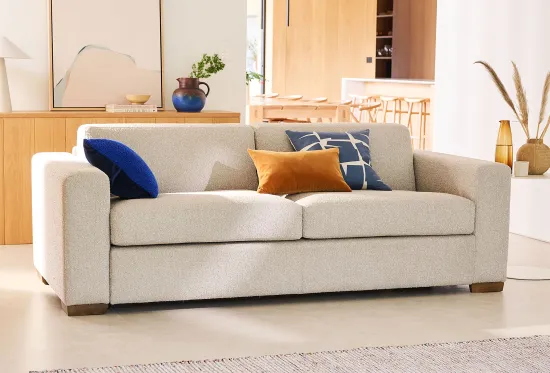
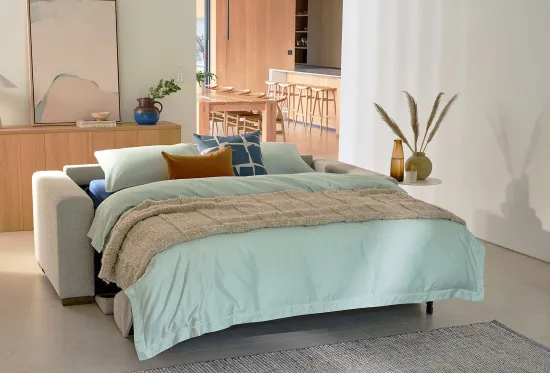
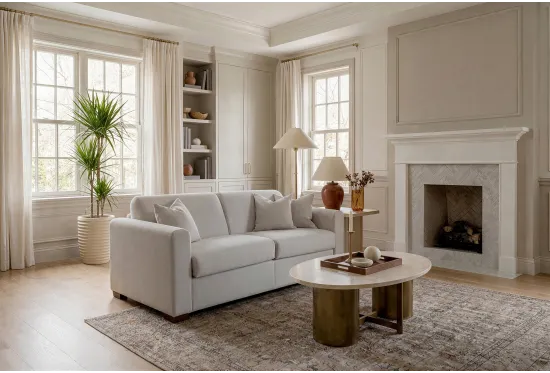
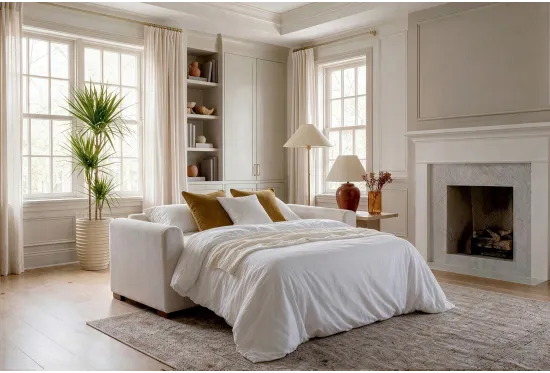
In studios, nothing gets to be decorative only. Every piece has to justify its square footage. That doesn’t mean sacrificing comfort or style. Quite the opposite. It means choosing designs that contain more than one purpose beneath the surface. A sofa bed that contains a proper mattress (not a thin fold-out pad) replaces both a sofa and a guest bed. A lift-up storage bed replaces chests, boxes and freestanding wardrobes.

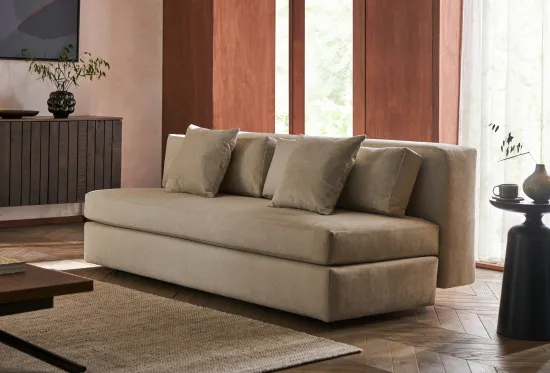
Furl’s designs were built with exactly this in mind - handcrafted in Nottingham and engineered to fit into tight stairways, yet generous in the way they store and adapt. If you’re considering a new centrepiece for your space, start with seating. Studio layouts almost always improve the moment you introduce dual-purpose seating solutions.

Let the Walls Work as Hard as the Floor

Floors fill up fast in small spaces. Walls, on the other hand, are often underused. Floating shelves create storage without bulk. Wall-mounted lights free up bedside tables. Hooks behind doors become homes for coats, bags and the everyday clutter that steals precious floor space. Even art can work spatially - one large piece instead of a scatter of tiny frames makes the wall feel taller. Vertical thinking isn’t about cramming things upward; it’s about redistributing so the room can breathe horizontally.

Keep the Palette Cohesive

Studios don’t respond well to competitive colour schemes. When each zone has its own palette, the overall space feels chopped up and visually smaller. A cohesive approach - even if the colours shift in depth rather than hue - creates flow. If you’re tempted to experiment with bolder shades, consider keeping walls soft and letting accent furniture or textiles carry the intensity. Colour is powerful in small rooms. It can compress or expand depending on the tone.

Declutter with Intent, Not Minimalism

Minimalism isn’t the only answer to small-space living. A studio can be warm, lived-in, even richly textured - as long as everything has a place to go when it isn’t in use. That’s where hidden storage becomes invaluable. Ottoman beds with deep internal cavities. Sofas that swallow spare bedding. Coffee tables with secret compartments. These aren’t gimmicks; they’re what prevent visual overload in a space where the bed, sofa and dinner table often share the same eyeline. When things retreat effortlessly into viewless spaces, the apartment feels twice as large.

Don’t Push Everything Against the Walls

The instinct in small rooms is to push everything outward in the hope of creating “space”. But this often makes the room feel flatter and more cramped. Pull the sofa slightly forward. Let the bed sit a few inches off the wall. Angle a chair. These tiny shifts create circulation routes and depth - the two things that prevent a studio from reading as a box. Floating furniture also lets light weave behind pieces, which has a surprising impact on perceived spaciousness.

Choose Lighting That Layers Instead of Overwhelms

Overhead lighting alone can make a studio feel stark and shallow. Layered lighting creates atmosphere and depth. A soft floor lamp near the sofa. A warm bedside lamp. A directional task light for the desk. Three points of light, even in a tiny footprint, change the emotional tone of the space. If you can mount at least one fixture on the wall, you’ll reclaim a little more surface area while creating a sense of height.

Opt for Pieces That Can Move and Transform

Studios reward flexibility. Furniture on castors, extending tables, stools that become side tables, ottomans that serve as guest seating… the more adaptable your pieces, the more the space adapts to you. This is where Furl’s extending tables come into their own - transforming from compact consoles to full dining tables in a single motion. It’s the difference between living within constraints and letting the room evolve as needed.

Pay Attention to Texture

Texture is often overlooked in small spaces, but it’s essential. Too many competing textures become busy. Too few make the space feel flat. A single hero material - linen, oak, wool - can anchor the room, while smaller accents add depth without chaos. If every item has a different finish, the room shrinks visually. In studios, calm texture equals calm space.

Why These Small Adjustments Matter

A studio apartment tests your ability to live intentionally; every decision ripples through the entire space. When the layout works, the apartment feels curated rather than compromised. At Furl, our approach to design has always been about enabling small spaces to behave like bigger ones - furniture that stores more than you expect, mechanisms that open effortlessly, craftsmanship that lasts decades rather than seasons.

In a studio, this sort of investment pays back daily. Space isn’t only about dimensions. It’s about how gracefully a room adapts to you - how it bends, shifts, lightens and expands depending on the moment.

Related Products

David Norman

David Norman is the founder of Furl, a UK-based furniture brand known for redefining how people live with space-saving, design-led storage beds and sofa beds.

With almost two decades of hands-on experience in product design, manufacturing, and brand strategy, David has built Furl into a trusted name among urban professionals seeking calm, clutter-free homes. His work has been recognised for its innovation and craftsmanship, with features in publications such as Yahoo Finance and The Telegraph.

David continues to lead Furl’s creative direction, developing furniture that solves real-world problems without compromise.

Got Questions? Lets Talk!