The Role of Sofas in Interior Design
- Updated :
- Published :
- Author David Norman
- label Guides
Call us or Visit a showroom for expert personal advise and attention.
There's a reason interior designers return to the sofa first when conceptualising a room. Not the art, not the lighting: the sofa. It's the gravitational centre around which everything else orbits, the piece that dictates scale, proportion, and atmosphere before a single cushion is placed or paint colour selected.
In residential design, the sofa performs a peculiar dual function. It must anchor a space whilst remaining visually harmonious, command attention without overwhelming, and serve practical needs whilst elevating the room's aesthetic language. It's both workhorse and statement piece, which explains why choosing the right one can make or break an interior scheme.
Designers understand that a sofa establishes the room's architectural rhythm. Its silhouette creates visual weight: a low-slung mid-century profile will generate a different spatial feeling than a high-backed Chesterfield or a sleek modular system. The sofa's proportions inform every subsequent decision, from rug dimensions to coffee table height to the scale of surrounding furniture.
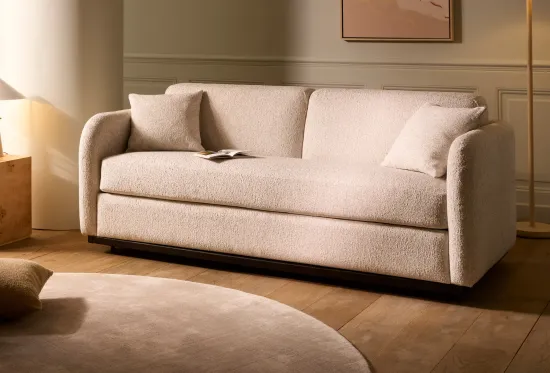
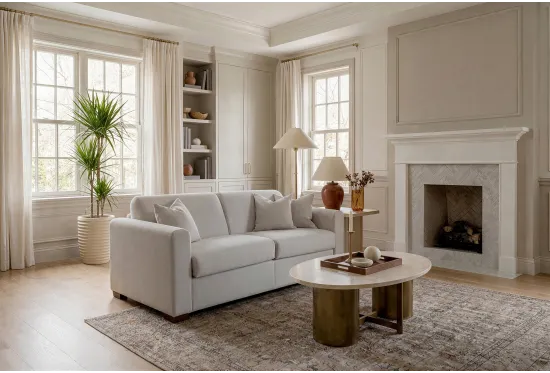
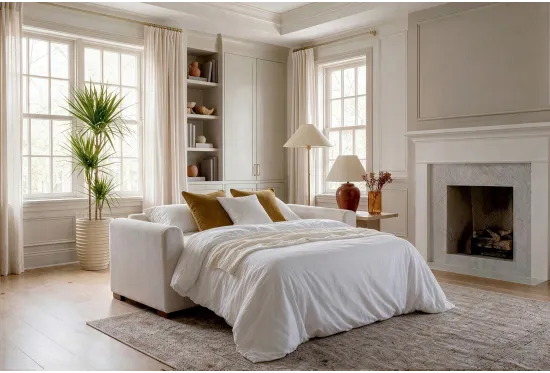
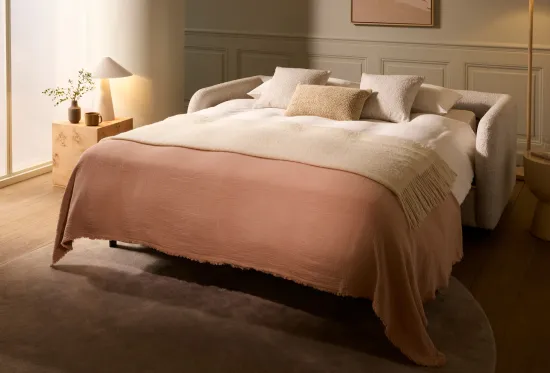
This is why Furl is a top choice for interior designers working on compact or multi-functional spaces. The marriage of form and function, the ability to maintain clean lines whilst concealing clever engineering, allows the sofa to serve its foundational role without compromise.

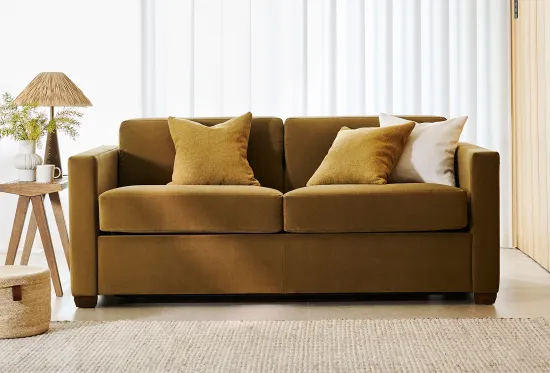
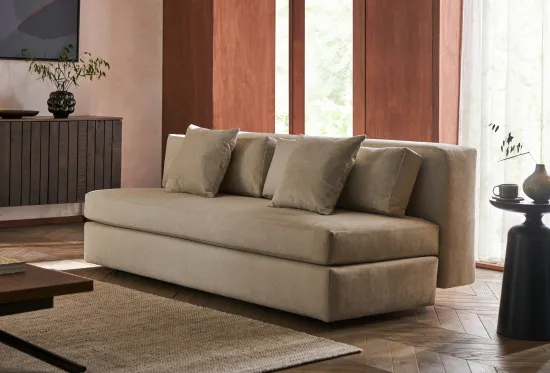
The sofa introduces the room's material palette. Texture begins here: the grain of leather that will patina over time, the nap of velvet that shifts with light throughout the day, the weave of linen that adds tactile warmth. These material choices set expectations for the rest of the space and establish its sensory character.
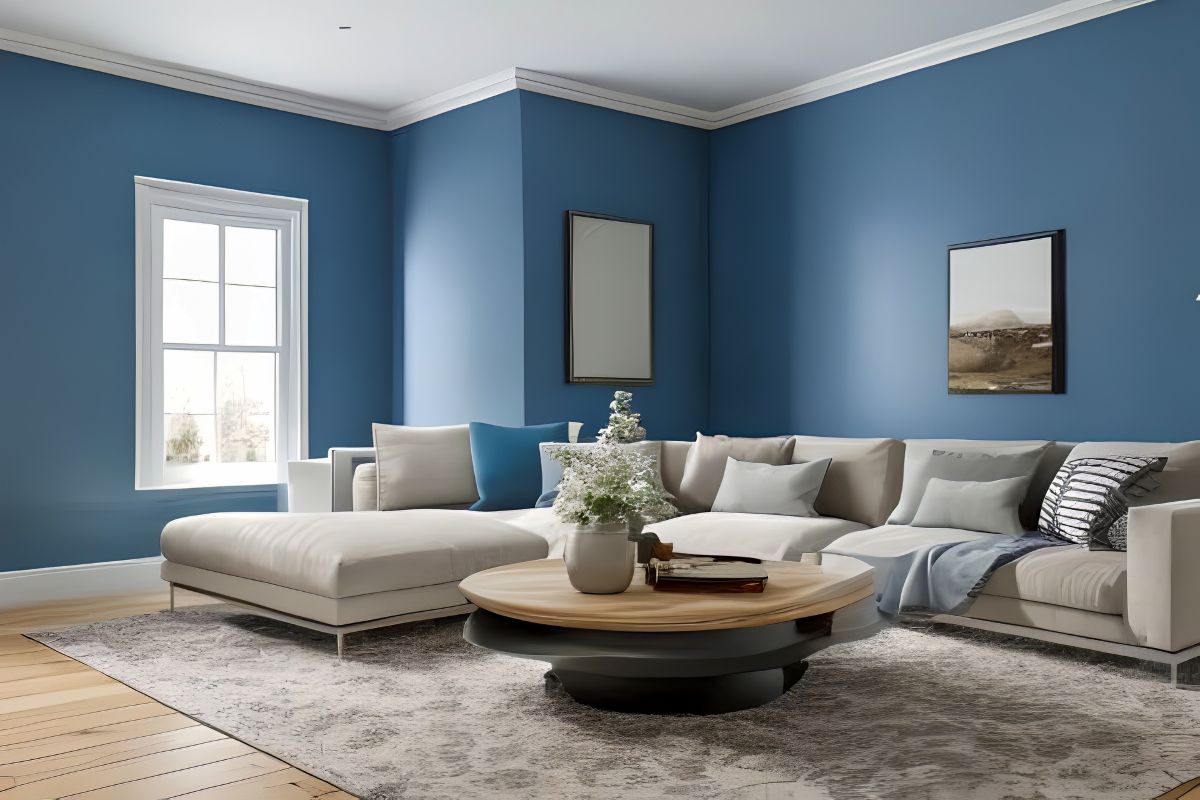
Colour works similarly; a sofa in a bold saturated hue becomes the room's focal point, anchoring a more restrained palette elsewhere. A neutral sofa allows for chromatic play in accessories and art. Designers manipulate this relationship deliberately, using the sofa as either anchor or backdrop depending on the desired effect.
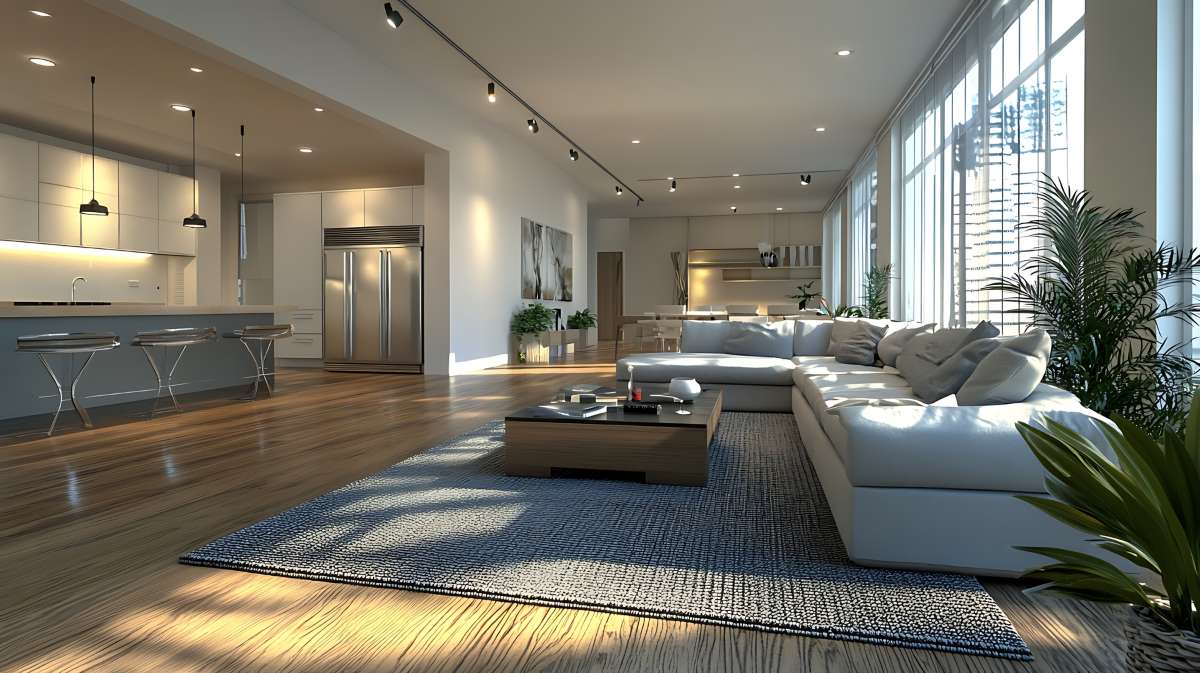
Beyond aesthetics, the sofa determines how bodies move through space. Its placement creates natural pathways, defines conversation zones, and establishes the room's functional layout. In open-plan living, the sofa often acts as a spatial divider, creating definition without walls whilst maintaining visual flow.
The best interior schemes recognise that a sofa isn't simply furniture but architecture. It shapes how we inhabit a room, how we gather, how we rest. When designers spend weeks sourcing the perfect sofa bed for your space, it's because they understand this foundational truth: get the sofa right, and the room follows.
Professional designers think in timelines that extend beyond trends. A sofa represents a significant investment, both financially and spatially, which is why classic silhouettes and quality construction matter more than fleeting design moments. The sofa you choose today will likely anchor your space for a decade or more, making it one of the few pieces that must transcend the volatility of interior fashion.
This longevity demand places additional pressure on the selection process. The sofa must feel fresh now whilst possessing the bones to remain relevant years hence. It must accommodate evolving needs: the shift from entertaining to family life, from city flat to suburban home, from one aesthetic sensibility to another.
The most successful interiors feature sofas that balance contemporary appeal with enduring design principles. Clean lines, quality materials, and thoughtful proportions: these elements ensure a sofa remains visually coherent as surrounding elements evolve.
For all this talk of foundation and longevity, the sofa also presents an opportunity for expression. It's often the largest single piece in a room and the one your eye lands on first. This makes it prime territory for making a statement, whether through an unexpected silhouette, a luxurious material, or a considered colour choice that elevates the entire scheme.
Designers leverage this statement-making potential strategically. In a room where most elements play supporting roles, a distinctive sofa becomes the hero. In a more layered, eclectic space, the sofa might adopt a quieter presence, allowing other pieces to shine.
The role of sofas in interior design isn't singular. It's architectural and aesthetic, practical and expressive, foundational and focal. Which is precisely why getting it right matters so profoundly, and why designers return to this piece first, knowing that everything else will follow its lead.
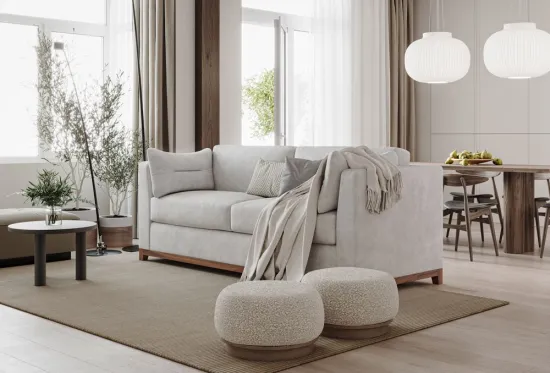
Designers prioritise dual-function pieces and clean-lined silhouettes that don't visually overwhelm. They consider scale meticulously, often opting for sofas with exposed legs to create a sense of airiness, and favour lighter upholstery that reflects rather than absorbs light. Multi-functional designs like sofa beds become essential in compact layouts, provided they maintain aesthetic integrity.
Timelessness comes from proportion, quality, and restraint. Classic shapes that reference established design languages without being overly referential, materials that age gracefully rather than degrade, and silhouettes that work across multiple aesthetic contexts. A timeless sofa doesn't scream its era but sits comfortably within it whilst possessing the bones to transcend it.
Matching is less important than cohesion. Designers think in terms of complementary relationships rather than literal matches. A sofa should share a dialogue with surrounding pieces through material, scale, or form, but exact matching often creates a showroom effect that lacks personality. The goal is harmony, not uniformity.
Placement determines circulation patterns, conversation dynamics, and spatial hierarchy. A sofa floating in the centre of a room creates distinct zones on either side. Against a wall, it opens floor space but can make the room feel less dynamic. Angled placement can soften rigid architecture. The decision shapes how the entire room functions and feels.
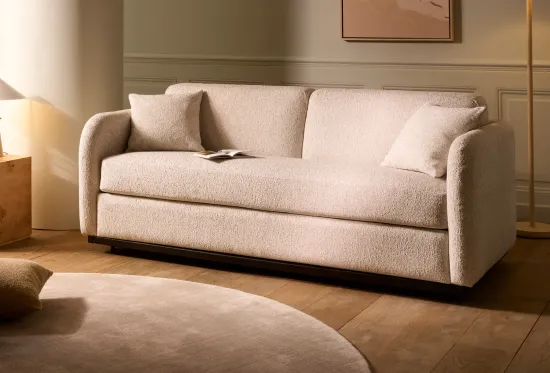
Fabric introduces texture and influences the room's formality level. Linen suggests relaxed elegance, velvet adds luxury and depth, leather brings warmth and develops character over time. The fabric also affects light reflection, sound absorption, and tactile experience. It's not merely aesthetic but fundamentally alters how the space feels to inhabit.
David Norman is the founder of Furl, a UK-based furniture brand known for redefining how people live with space-saving, design-led storage beds and sofa beds.
With almost two decades of hands-on experience in product design, manufacturing, and brand strategy, David has built Furl into a trusted name among urban professionals seeking calm, clutter-free homes. His work has been recognised for its innovation and craftsmanship, with features in publications such as Yahoo Finance and The Telegraph.
David continues to lead Furl’s creative direction, developing furniture that solves real-world problems without compromise.
Got Questions? Lets Talk!