Bedrooms are meant to feel personal. Lived-in. Reflective of your tastes, quirks, rhythms - not like a showroom or a catalogue. And yet, so many people default to matching furniture sets: same headboard, same bedside tables, same chest of drawers, all lined up like obedient soldiers. Safe? Yes. Inspired? Not exactly.

The real magic happens when you mix and match bedroom furniture - when you combine different styles, materials, finishes and proportions to create something that feels curated rather than copied. It’s not about chaos. It’s about contrast. Balance. Personality.

Done well, mixed furniture looks elevated and intentional. Done badly, it can veer into cluttered or incoherent. So here are the expert-approved strategies we recommend if you're looking to break up the monotony - and create a bedroom that feels genuinely yours.

Bedroom designs

Start With One Hero Piece

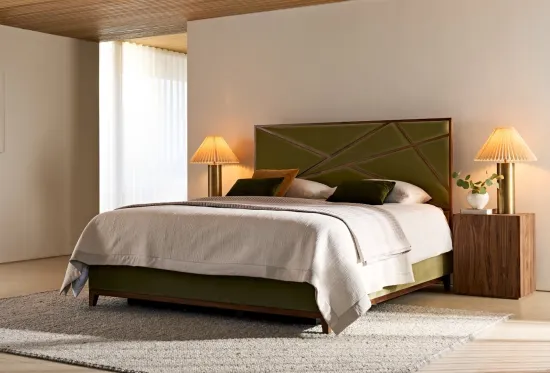
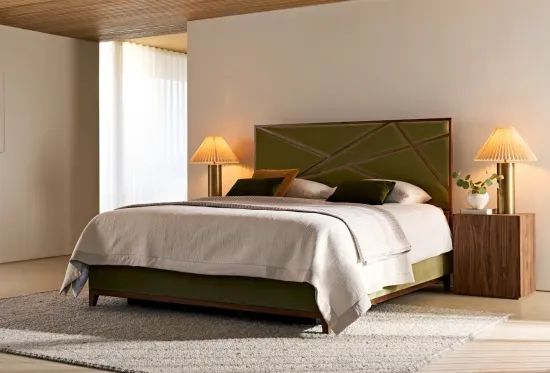
Every room needs a focal point - and in most bedrooms, it’s the bed. So start there. Choose a frame that reflects the mood you want to create (calm and neutral? Bold and sculptural? Soft and upholstered?), then build the rest of your furniture around it - not in imitation of it, but in dialogue with it.

If your bed is sleek and modern, try offsetting it with antique nightstands or a weathered timber chest. If you’ve gone for a statement headboard in velvet or boucle, pair it with understated metal legs on your storage pieces. The contrast is what makes it sing.

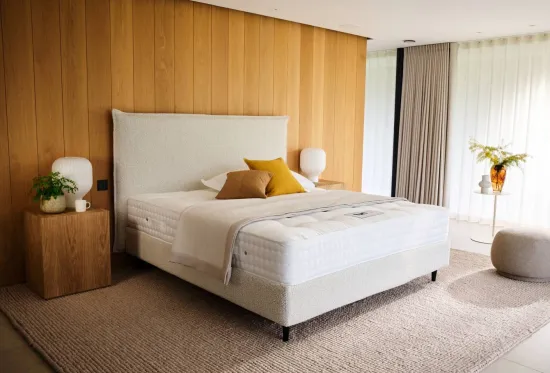
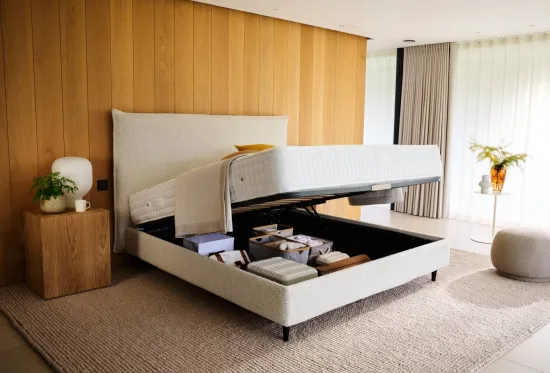
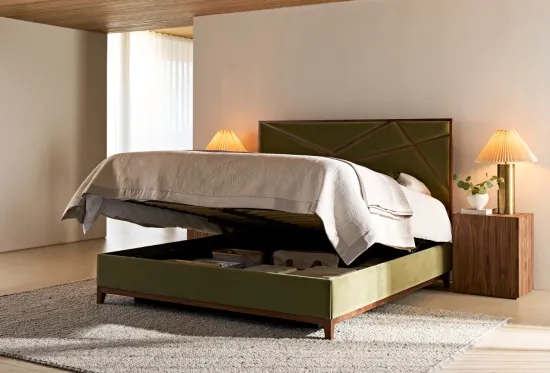
And if your bed offers more than just sleep - say, our beds with built-in storage compartments - that functionality can help determine what else you need (or don’t need) in the room.

mirage storage bed from Furl

Choose A Consistent Colour Story (But Vary The Tones)

The easiest way to unify different furniture styles is through colour. You don’t need every piece to be the exact same finish - in fact, that’s the opposite of what you want. But a shared colour family, or tonal palette, creates cohesion.

For example: mix pale oak with walnut, but keep the undertones warm. Or pair soft greys with charcoal, but add depth with texture (linen, lacquer, brushed metal). Even radically different pieces - say, a black metal lamp on a cream-washed bedside - can work if the palette flows.

And don’t forget the supporting players: rugs, wall colour, bedding and curtains all contribute to the visual harmony. If your furniture feels slightly disconnected, these elements can bridge the gap.

Balance Proportions And Visual Weight

This is a big one - and one most people miss. Even if your pieces are from different collections (or centuries), if they share similar scale and visual weight, they’ll work together more easily.

So what do we mean by that? It’s about making sure nothing feels too heavy or too flimsy in relation to everything else. A chunky bed frame with thick legs will overpower delicate floating nightstands. A low platform bed will look strange paired with a towering, ornate wardrobe.

Try to mirror lines, not styles. If your bed has rounded edges, echo that in a curved mirror or arched lamp. If your furniture is low and wide, keep other elements in the same proportion - or offset them with purpose.

Mix Materials For Depth And Texture

Combining different materials isn’t just encouraged - it’s essential. Wood, metal, rattan, fabric, glass - mixing them thoughtfully is what creates that layered, boutique-hotel feel (rather than a furniture showroom).

But there’s a trick to it: contrast with continuity. For instance, if your bed is upholstered in fabric, consider a metal or timber bedside table for texture. But keep the finish consistent - warm brass or blackened steel, not random chrome.

Likewise, pairing a lacquered chest of drawers with a raw wood frame can look stunning - but only if there’s a shared design language somewhere (colour, line, proportion).

Repeat Key Elements For Unity

While variety creates interest, repetition creates cohesion. So if you’re mixing furniture styles, make sure there are a few elements that repeat - colour, shape, material, hardware, even leg style.

It could be something subtle, like black metal legs on both your bed and your vanity stool. Or a consistent brass accent across lighting, drawer pulls and picture frames. These tiny echoes help the room feel finished and thoughtful - not accidental.

It’s also worth repeating the absence of something. For example, if you opt for handleless bedside drawers, don’t suddenly introduce heavy knobs on the wardrobe. Keep things streamlined.

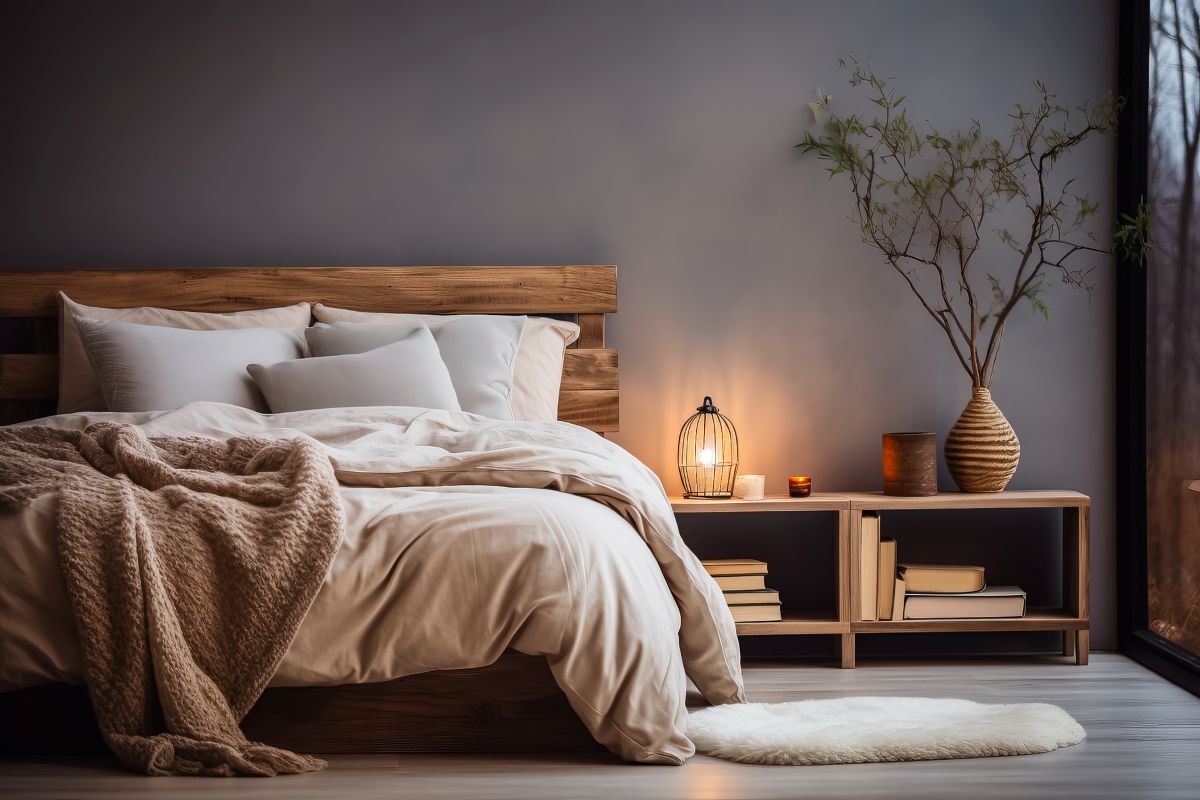
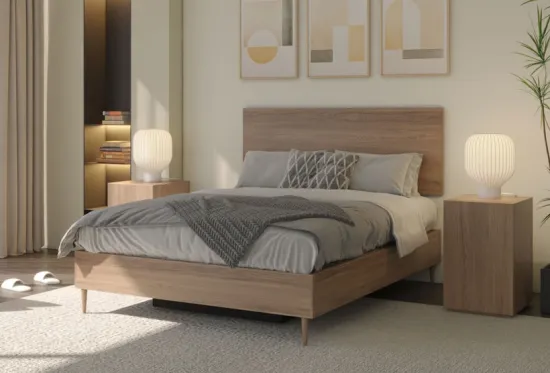
modern bedroom with comfortable bed and lamp on bedside table
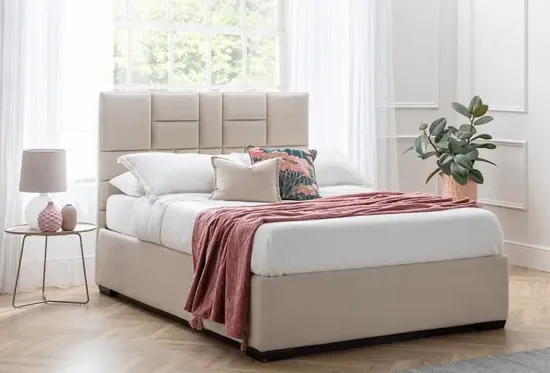
 Interior of modern bedroom with gray walls, wooden floor, comfortable king size bed and window

Don’t Be Afraid Of Asymmetry

Symmetry is calming, yes - but it can also feel predictable. Bedrooms are a great place to experiment with slight asymmetry: mismatched bedside tables, different lamps on each side, a tall mirror on one end and a low stool on the other.

The trick is to balance the effect, not the objects. A narrow drawer unit on one side can be offset by a round table with a larger lamp on the other. It’s about achieving equilibrium through form and volume, rather than mirroring.

This kind of looseness makes a room feel more relaxed - like it’s evolved over time, rather than being bought all at once.

Layer In Personal, Textural And Unexpected Elements

Furniture is the foundation, but styling is what makes it sing. Once your pieces are in place, use books, candles, textiles, lighting and artwork to pull the whole thing together.

Mix eras - a vintage mirror with modern sconces, or a retro chair with a contemporary side table. Add softness where there’s too much structure (a sheepskin throw over a wooden bench), and grounding where there’s too much air (a dark rug under pale furniture).

Let the room reflect you, not just a style. And remember - contrast is character. The unexpected makes it memorable.

Final Thoughts

Mixing and matching bedroom furniture isn’t about piling in pieces from every style you like - it’s about building a story. Editing matters. Leave breathing room. Let each piece shine, but make sure they all speak the same language - even if they’re saying different things.

Start with one anchor. Build around it slowly. Don’t rush to fill every corner. The best bedrooms are assembled - not bought.

Related Products

David Norman

David Norman is the founder of Furl, a UK-based furniture brand known for redefining how people live with space-saving, design-led storage beds and sofa beds.

With almost two decades of hands-on experience in product design, manufacturing, and brand strategy, David has built Furl into a trusted name among urban professionals seeking calm, clutter-free homes. His work has been recognised for its innovation and craftsmanship, with features in publications such as Yahoo Finance and The Telegraph.

David continues to lead Furl’s creative direction, developing furniture that solves real-world problems without compromise.