Shared bedrooms are a design paradox. On the one hand, they double the utility of a single space - but on the other, they halve the flexibility. Every item has to work harder, every centimetre counts, and storage becomes an absolute non-negotiable. Whether it’s siblings, flatmates, partners with clashing schedules, or guest rooms doing double duty, shared bedrooms demand cleverness - not compromise.

But space-saving doesn’t have to mean sacrificing beauty, comfort, or personality. In fact, some of the most thoughtful interiors come from having to problem-solve creatively. Here’s how we approach shared bedroom layouts - with smart ideas, flexible furniture, and no tolerance for wasted space.

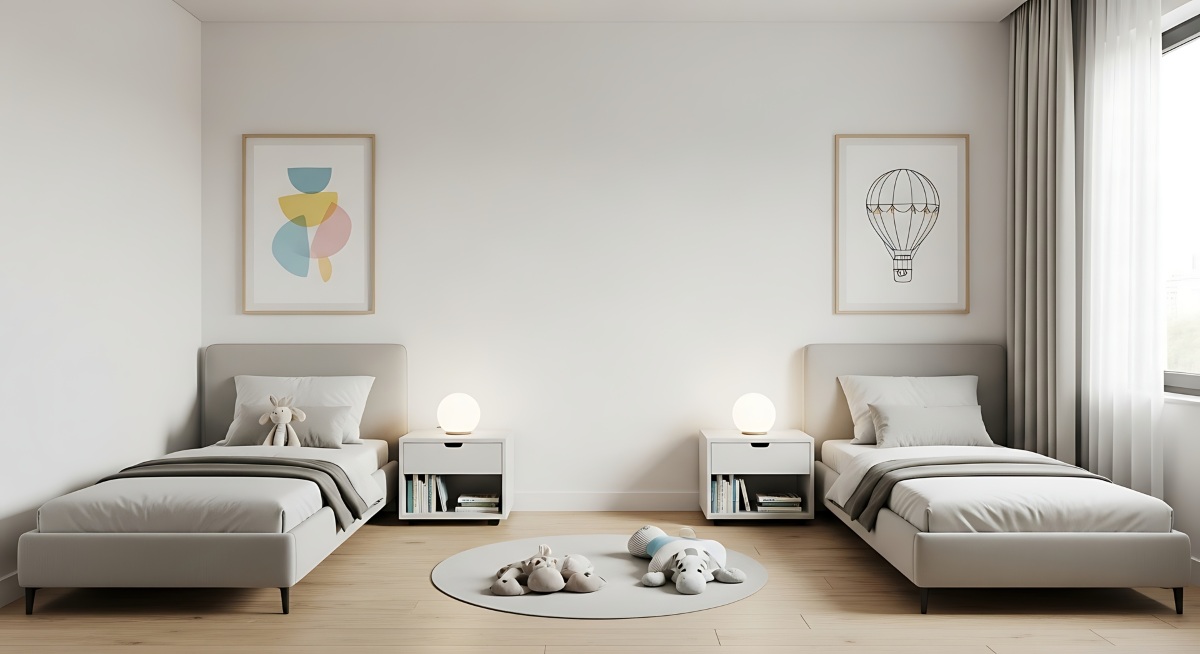
 Modern minimalist children bedroom with soft cozy clean design

Choose Beds That Offer Built-In Storage

When two people (or more) are sharing a room, the volume of belongings essentially doubles - but the storage space rarely does. That’s why beds with integrated storage are an instant win.

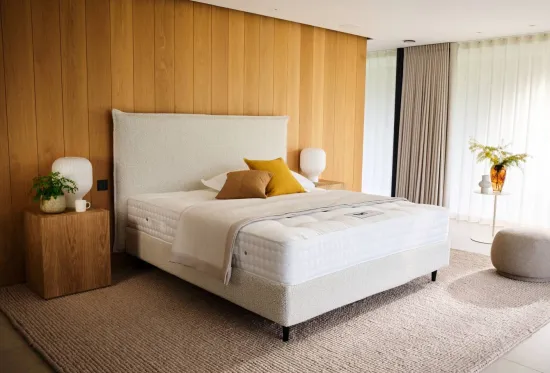
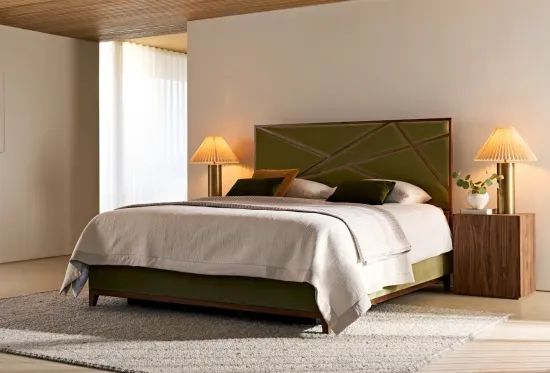
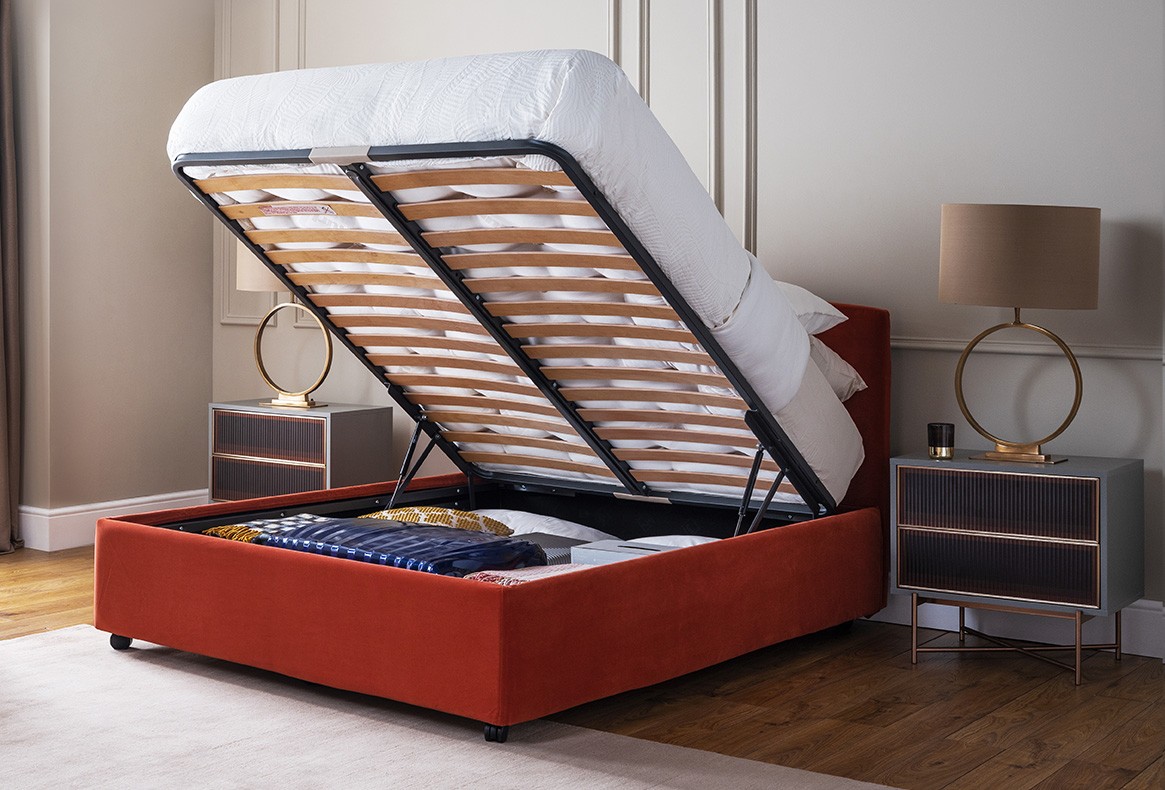
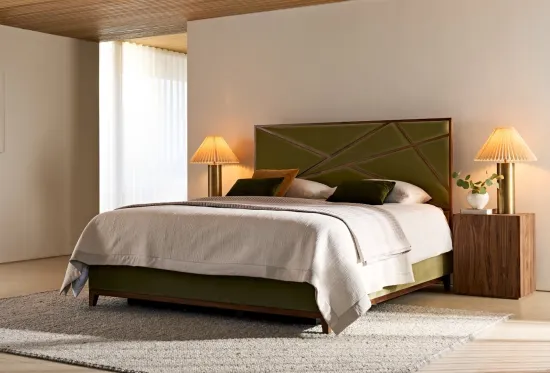
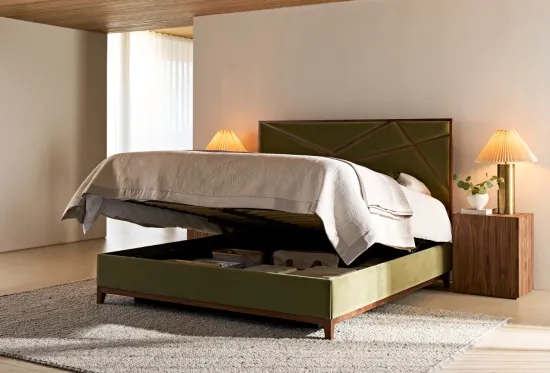
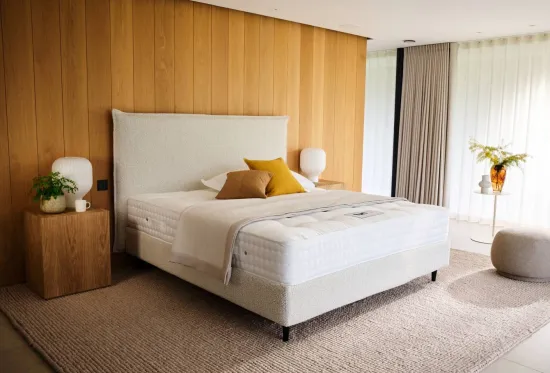
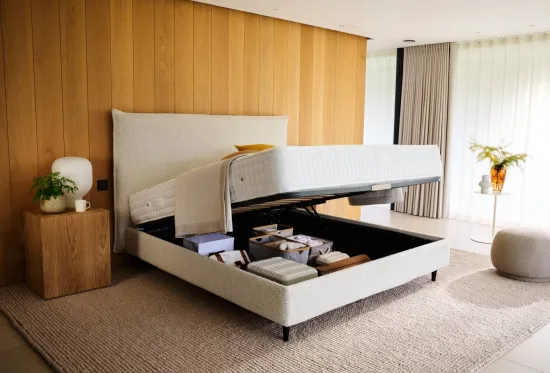
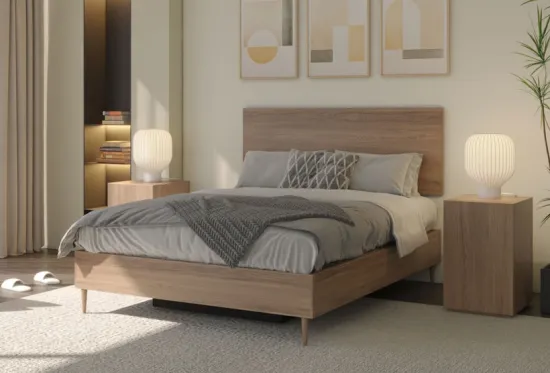
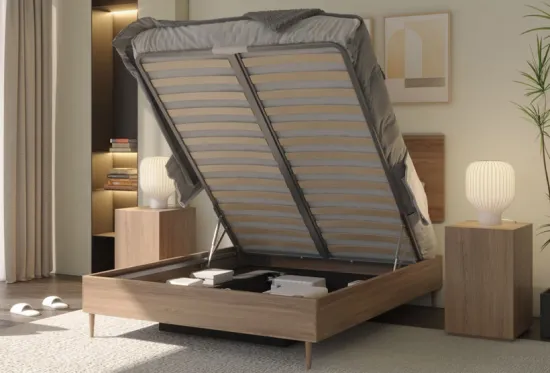
Ottoman beds, in particular, are ideal in shared spaces. Unlike drawer beds, which need side clearance to open, ottomans lift vertically - making them perfect for tighter layouts, beds placed near walls, or rooms with limited walkway space.

At Furl, our Max depth ottoman models offer up to 40cm of concealed storage - a full cupboard’s worth of space, hidden under the mattress. No need for underbed boxes, no visual clutter, just calm, functional design. And if you’re not sure what can actually fit in there, explore the full storage bed collection today and see what’s possible when your bed works for you.

Opt For Dual-Purpose Furniture Wherever Possible

A bedside table that’s also a drawer unit. A console table that extends into a desk. A mirror with built-in shelving. These kinds of pieces aren’t just clever - they’re essential when square footage is shared.

In a two-person room, each item should ideally do two jobs: storage + surface, comfort + containment, beauty + backbone. That’s why we design multi-functional furniture to be as discreet as it is practical - so the room doesn’t feel like it’s bursting at the seams.

Shared bedrooms benefit enormously from this kind of thinking - not only because it saves space, but because it makes coexistence easier. Each person can have their own zones, without doubling the furniture count.

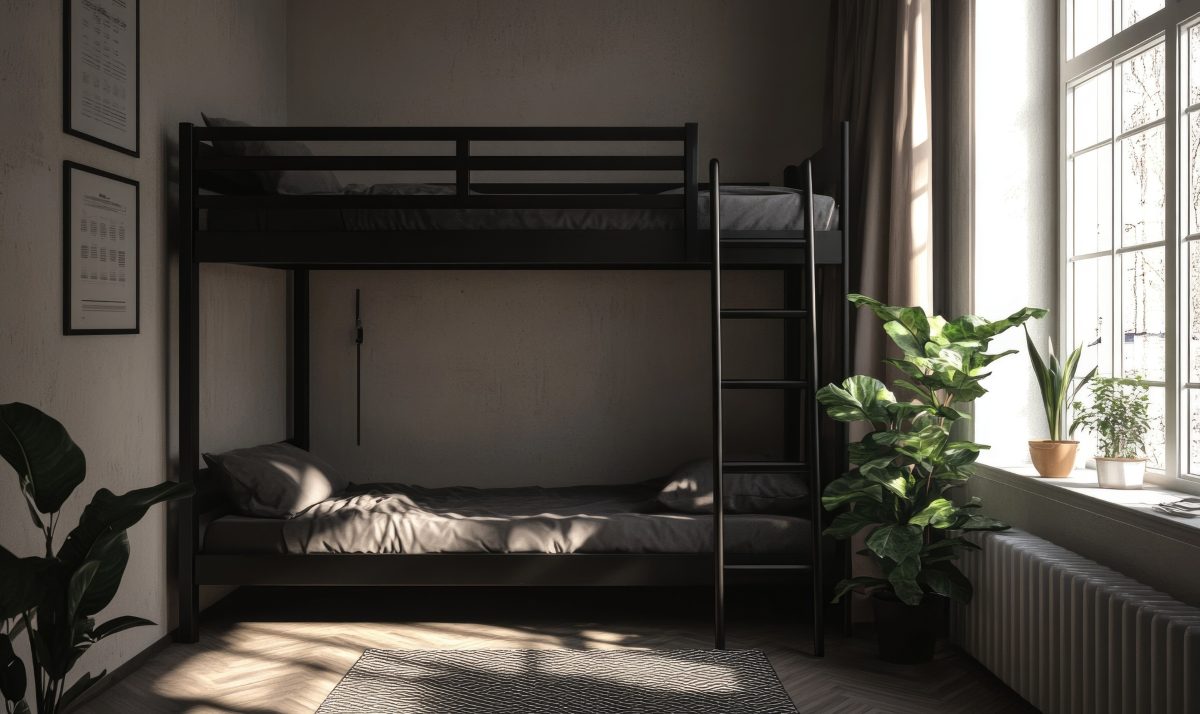
 A black bunk bed with a ladder and a plant in front of it

Use Vertical Space With Intention

When floor space is limited, the only direction left to go is up. And thankfully, vertical storage is no longer just a utilitarian fix - it’s a design feature in its own right.

Wall-mounted shelves above beds. High cupboards above wardrobes. Tall, narrow bookcases that climb the wall instead of sprawling across it. Hooks, rails, and over-door organisers. All of these make use of underutilised airspace - and free up precious floor area.

Even artwork or mirrors can be arranged vertically to draw the eye upward and make the room feel taller - and more balanced.

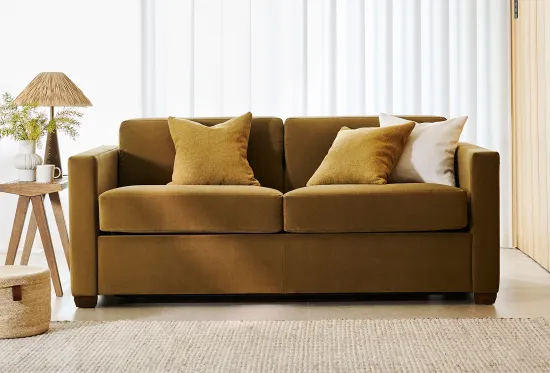
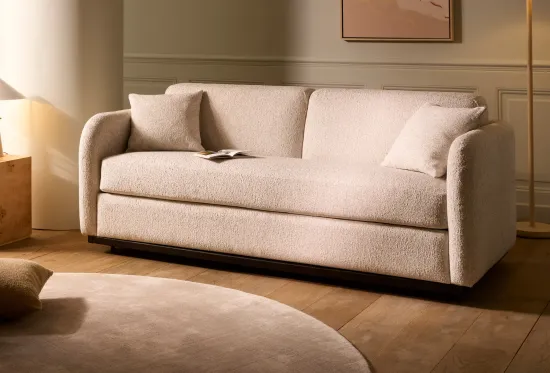
If you’re working with a particularly compact room, revisit our guide to maximising bedroom space with sofa beds - the same principles apply here: less footprint, more function.

Create Clearly Defined Zones (Even In Small Rooms)

One common mistake in shared bedrooms is letting everything bleed together - two beds, two sets of belongings, one blur of overlapping furniture. But clarity matters. Even in the smallest rooms, you can create a sense of “mine” and “theirs.”

How? Through subtle zoning. Use rugs to define sleeping areas. Place small partitions or open shelving between beds to create soft barriers. Choose different lighting for each side - a sconce here, a clip lamp there.

If you’re sharing a wardrobe or desk, use drawer dividers, labelled baskets, or colour-coded organisers to maintain visual (and emotional) boundaries. A well-zoned room feels calmer - and helps prevent clutter from turning into tension.

Embrace Symmetry Where It Serves

Symmetry can be a powerful design tool in shared rooms - it creates order, fairness, and a pleasing visual rhythm. Matching beds, mirrored layouts, identical lighting on either side - these elements can help the space feel intentionally shared, rather than awkwardly divided.

But don’t go overboard. Too much symmetry can feel sterile. Instead, use it selectively: maybe the beds match, but the bedding differs. Or the nightstands are the same height, but different materials. It’s about balance, not duplication.

Don’t Underestimate The Power Of Wall-Mounted Lighting

Floor lamps and table lamps take up space - wall lighting doesn’t. For shared rooms especially, individual wall-mounted reading lights can be game-changing. They free up surface space, reduce glare, and offer personal control over lighting - so one person can read while the other sleeps, without compromise.

Many of our clients opt for plug-in sconces, which require no rewiring - just thoughtful placement and a nearby socket. It’s a small change that makes a big difference in comfort.

Simplicity Storage Bed
a tidy room with light wood flooring, neutral bedding, small wooden nightstand, and soft natural sunlight

Think About Sleep Schedules, Not Just Aesthetics

Sharing a bedroom isn’t just a spatial challenge - it’s also a lifestyle one. If your roomie wakes up at 5am and you work until midnight, the layout needs to accommodate those rhythms.

Choose silent-opening storage (like lift-up ottomans instead of creaky drawers), soft-close hardware, and blackout curtains. Keep chargers and essentials easily accessible to reduce nighttime movement. And design for minimal disruption - placing beds apart, or separating them with shelving or fabric panels.

It’s not just about how the room looks - it’s about how it feels to live in it, day to day.

Use Colour To Create Harmony

When a room contains two personalities, two sleep zones, and (likely) twice as much stuff, visual harmony becomes essential. That’s where a well-considered colour palette can quietly anchor the space.

Choose a base tone (white, beige, grey, sage, etc.) and build on it with personal accents - this way, even mismatched bedding or different storage pieces won’t feel chaotic. Cohesion doesn’t require identical tastes - just a shared framework.

If your furniture is mixed (and in shared rooms, it often is), keep the finishes tonal - warm woods with brass, cool tones with matte black or chrome. It helps the room feel intentional.

Final Thoughts

The best shared bedrooms work because they’ve been designed with empathy - each person’s space, needs, and habits considered. Space-saving isn’t just a matter of centimetres; it’s a matter of understanding how to live well together.

So use furniture that adapts. Create systems that reduce friction. Embrace dual-purpose design, vertical storage, and clever zoning. And most of all - create a space that respects both people equally.

Related Products

David Norman

David Norman is the founder of Furl, a UK-based furniture brand known for redefining how people live with space-saving, design-led storage beds and sofa beds.

With almost two decades of hands-on experience in product design, manufacturing, and brand strategy, David has built Furl into a trusted name among urban professionals seeking calm, clutter-free homes. His work has been recognised for its innovation and craftsmanship, with features in publications such as Yahoo Finance and The Telegraph.

David continues to lead Furl’s creative direction, developing furniture that solves real-world problems without compromise.