When we think about optimising a bedroom, the focus is usually horizontal: shifting furniture around the floorplan, freeing up walkways, maybe squeezing in a narrow set of drawers. But what about the space above? That vertical zone - from eye level to ceiling - is often neglected, yet it holds massive potential to transform even the smallest bedroom into something more functional, more balanced, more beautifully considered.

Maximising vertical space doesn’t just mean stacking things higher. It means rethinking the entire spatial logic of the room - using walls, corners, awkward gaps and ceiling height not simply as backdrops, but as active storage and design opportunities.

Here’s how to unlock that underused dimension - and do it without compromising comfort or style.

Modern bedroom with concrete wall and wooden floor

Rethink What Goes On The Walls

Walls aren't just for artwork. In a bedroom - especially one that’s short on floor space - they’re valuable real estate. Floating shelves, slimline cabinets, vertical rails, pegboards, corner-mounted nightstands - these are all ways to pull function upward and off the ground.

Instead of a bulky bedside table, consider a wall-mounted shelf and a plug-in sconce. Instead of a chest of drawers, a ladder shelf or recessed wall unit might hold the same volume in half the footprint. This doesn’t mean turning your room into a utility space - it means choosing pieces that serve dual purposes: display and storage, structure and softness.

And of course, visual balance matters - the key is layering. Mix open and closed storage, vary your shelf heights, and leave negative space to keep the room breathable.

luxurious bedroom with storage space above bed

Use The Space Above The Bed (But Do It Intentionally)

That expanse of wall above your headboard? It’s rarely used - and when it is, it’s often an afterthought. But this zone is ideal for smart storage and design features: overhead cabinetry, picture ledges, long horizontal shelves, or even a shallow wall niche.

If your room has a high ceiling, running a narrow shelf above the bed can make the whole space feel more connected - drawing the eye upward and making the bed area feel intentionally framed. Just don’t overload it. One or two decorative elements (books, candles, a trailing plant) is usually enough.

If you’re using your bedroom as a hybrid space - say, a reading nook or study - this zone can also accommodate things like clip-on task lights or slim book storage, keeping the bed surface clear.

Go Tall With Storage Furniture

Not all wardrobes and storage units are created equal. Many high street options stop short of the ceiling - leaving a frustrating, dust-collecting gap above. But a full-height wardrobe or storage tower takes advantage of every available centimetre - especially if it’s custom-fitted or modular.

We suggest prioritising height over width wherever possible. Tall units leave more floor space visible, which helps the room feel less crowded - and you gain vertical rhythm in the design. Whether you go for open shelving or closed cupboards depends on how tidy you are (and how much visual calm you want), but either way, the principle is the same: stretch upward.

Consider Under-Mattress Storage Designs

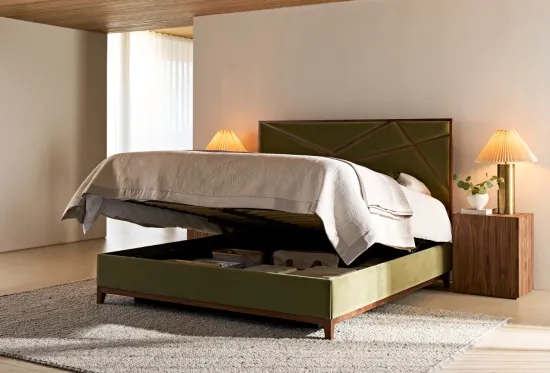
One of the most overlooked vertical opportunities? The bed itself. Specifically, what’s beneath it.

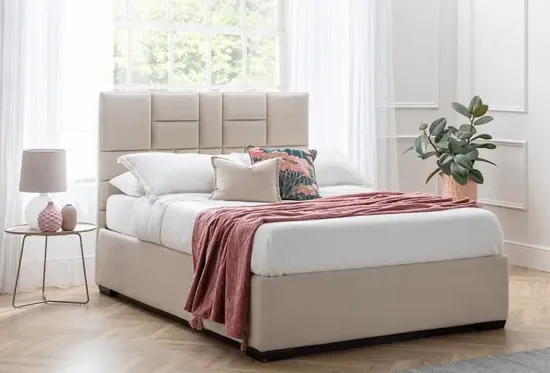
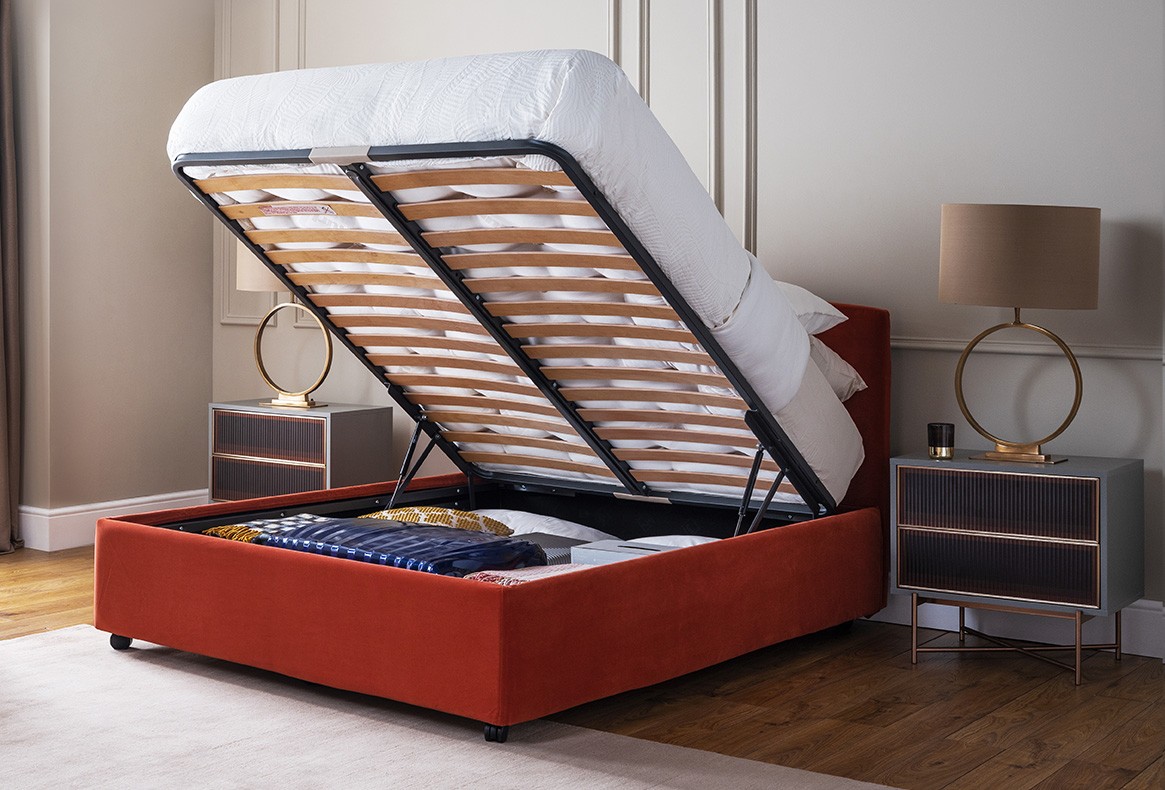
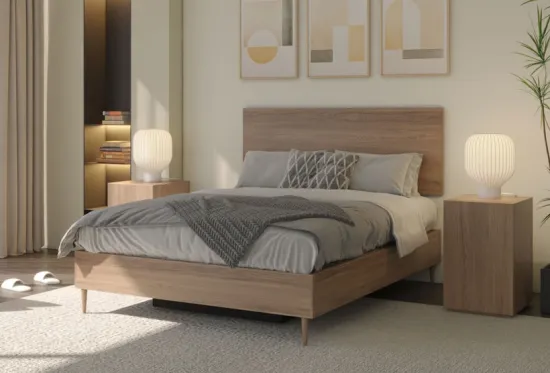
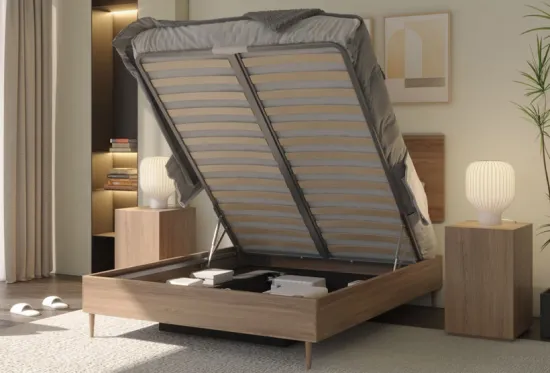
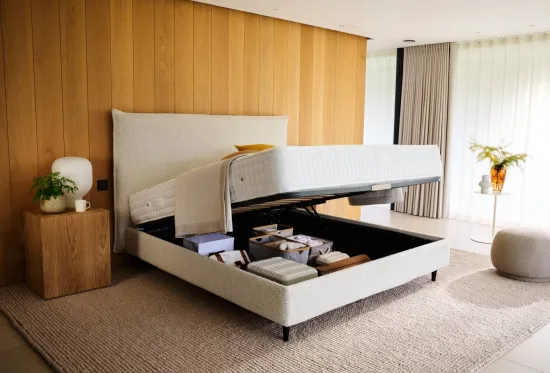
A traditional bed frame with empty space underneath is, frankly, a missed opportunity. Dust traps, chaotic boxes, or worse - wasted space. An ottoman bed, by contrast, gives you a massive, structured storage zone that sits within the vertical footprint of the bed - keeping the room visually clean but dramatically more functional.

At Furl, our under-mattress storage designs offer up to 40cm of accessible space, seamlessly integrated beneath the mattress. That’s enough for off-season clothing, extra linens, luggage - the kind of things that normally require an entire cupboard elsewhere. The lift mechanism (gas-assisted or electric) makes it easy, even daily.

So instead of stacking clutter vertically, why not conceal it entirely?

Make Use Of Doors, Corners And Alcoves

Bedrooms often have awkward corners or strange architectural quirks - alcoves, chimneys, sloped ceilings. Rather than fighting them, work with them. Use corner shelving, slim vertical cabinets or wall hooks to add function without bulk.

The back of the door, too, is easily forgotten - but a well-designed over-door organiser can hold shoes, accessories, scarves, or everyday essentials. And it’s moveable, which means zero commitment and no risk to walls or paintwork.

Simplicity Storage Bed
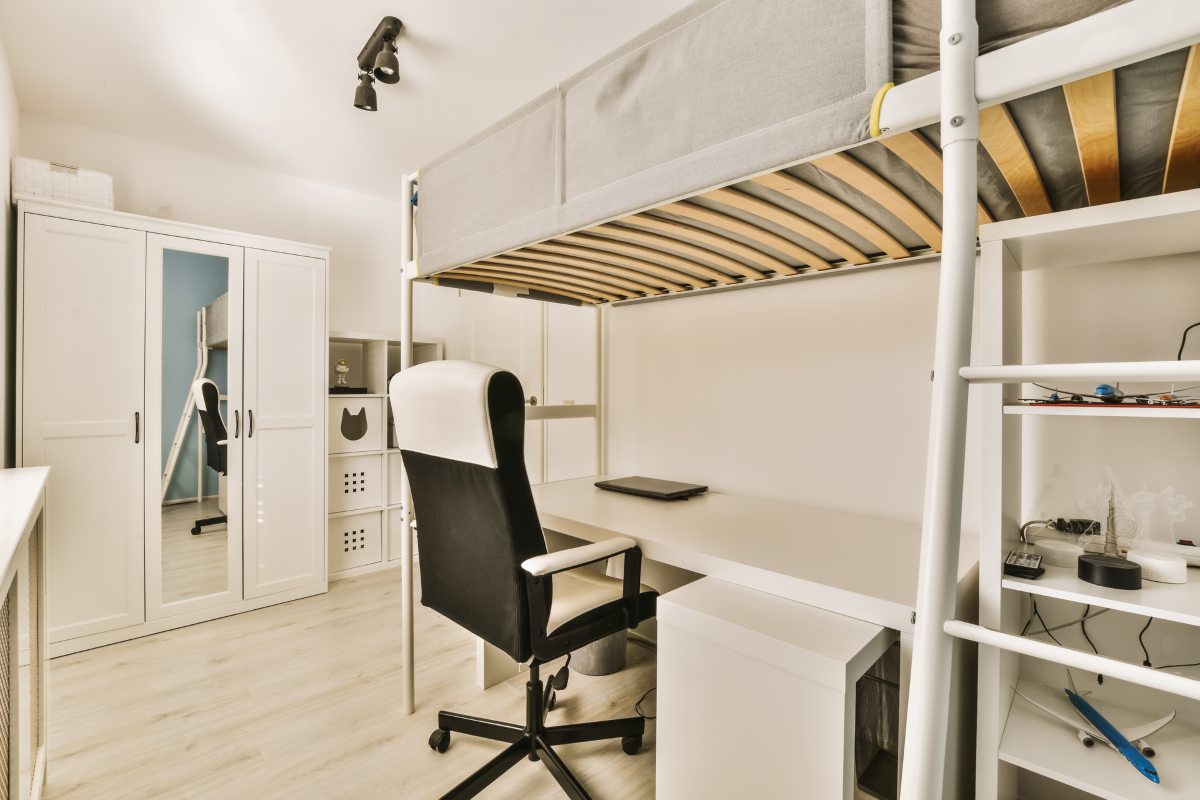
small bedroom with loft bed and work area below

Try A Lofted Or Raised Bed (In The Right Room)

This isn’t for everyone - and certainly not for rooms with low ceilings - but in the right space, a lofted bed or platform bed with stairs and built-in storage below can be a game-changer. Think mezzanine beds in studios, or raised platforms that conceal drawers, pull-out desks or shelving.

They’re ideal for student rooms, creative lofts, or minimalist apartments where every bit of square footage needs to serve multiple purposes.

If you’re dealing with a shared bedroom or a hybrid work/sleep space, this kind of layout can free up room for other essentials - without expanding the footprint.

Use Curtains, Panels Or Screens To Visually Contain Height

Vertical space isn’t only about physical storage - it’s also about how the room feels. If you’re using tall shelving or wardrobes, you may want to soften the look with a floor-to-ceiling curtain, sliding panel, or room divider. This can hide visual clutter, introduce texture, and keep things feeling cocooned rather than exposed.

We especially like this approach in bedrooms with asymmetric walls or built-in storage that feels “bitty”. By unifying it with fabric or modular screening, you get the function without visual fragmentation.

Final Thoughts

Maximising vertical space doesn’t mean crowding every inch - it means shifting your mindset. If the floor’s full, look up. If the layout’s tight, build into the architecture rather than around it. Think beyond wardrobes and bedside tables. Think shelving, hooks, lift-up beds, layered lighting, built-in cabinetry.

And most of all - think futureproof. Bedrooms change as lifestyles shift. The smartest ones are designed not just for how you sleep, but for how you live.

Related Products

David Norman

David Norman is the founder of Furl, a UK-based furniture brand known for redefining how people live with space-saving, design-led storage beds and sofa beds.

With almost two decades of hands-on experience in product design, manufacturing, and brand strategy, David has built Furl into a trusted name among urban professionals seeking calm, clutter-free homes. His work has been recognised for its innovation and craftsmanship, with features in publications such as Yahoo Finance and The Telegraph.

David continues to lead Furl’s creative direction, developing furniture that solves real-world problems without compromise.