When choosing a bed, the instinct is often visual - you see a design you love and decide then and there that it’s the one. But beds are more than just their frames. They shape the atmosphere of a room, influence how you store your belongings, how you relax, how your bedroom functions on a daily basis. And the question of modern vs traditional is about much more than style - it’s about how you live, what your space demands, and how much flexibility you truly need. 

The divide between modern and traditional bed design isn’t just aesthetic - it runs through materials, construction, height, bulk, storage options, and even emotional tone. One isn’t better than the other. But one will almost certainly fit your life better.

Here’s how to work out which one that is.

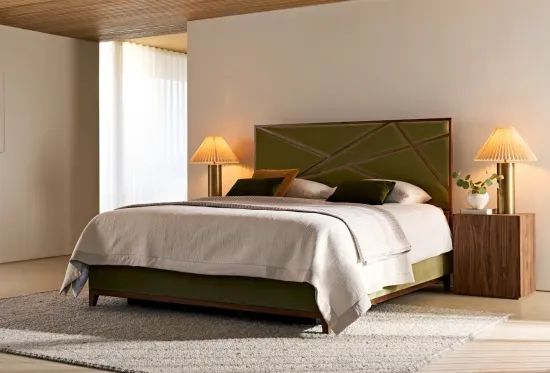
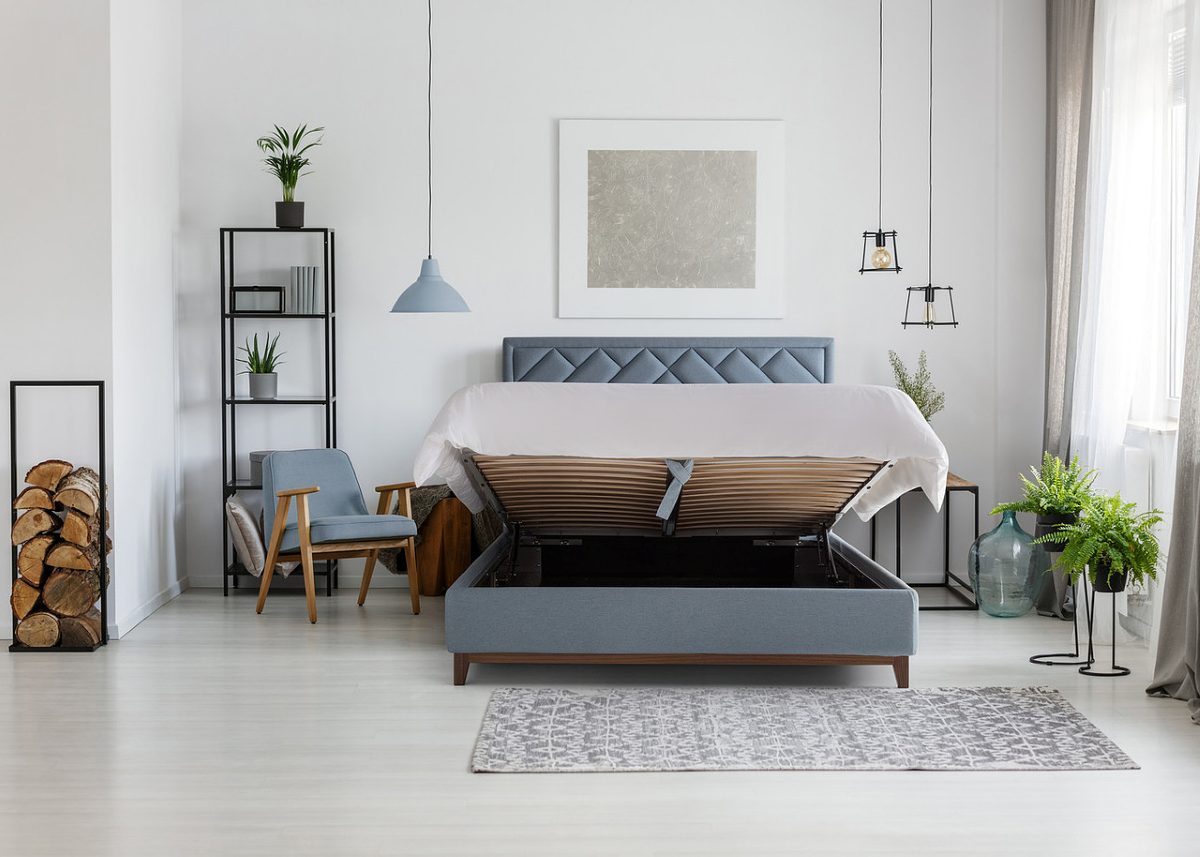
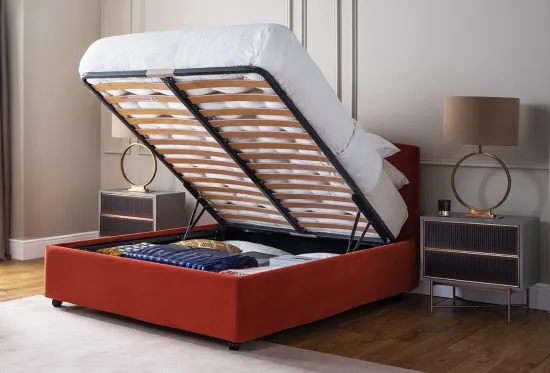
illusion king size illusion storage bed from FURL
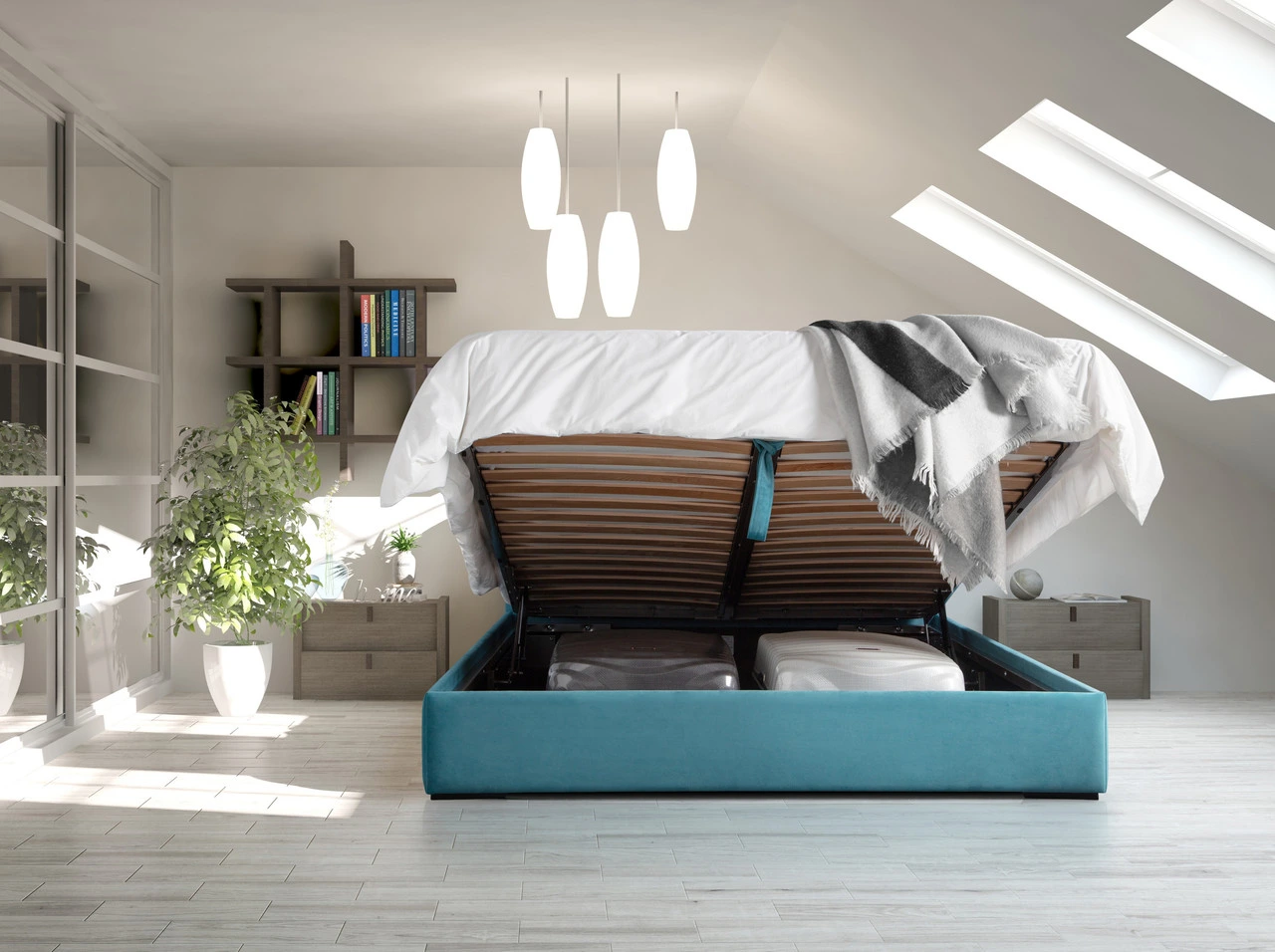
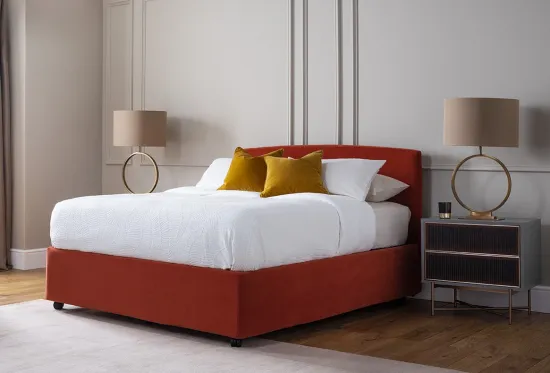
super king illusion storage bed from FURL

Understanding The Appeal Of Traditional Beds

Traditional bed designs are often rooted in craftsmanship - think carved wooden headboards, sleigh silhouettes, turned legs, detailed joinery. They feel substantial. Solid. Anchoring. If you’re drawn to period properties, vintage furniture, or interior styles like classic English, French provincial, or rustic farmhouse, chances are you’ll instinctively lean toward traditional beds.

Aesthetically, they bring warmth and nostalgia - often paired with rich timber tones, curved lines and a kind of permanence that says “this bed will last forever”. And in fairness, many of them will. A well-made solid wood frame, properly maintained, is near-indestructible.

But with that comes weight. Bulk. Impracticality in smaller rooms. Many traditional frames lack storage, and few are designed with space-saving in mind - not an issue if you have a sprawling master suite, but in a tighter bedroom? It can become an obstacle.

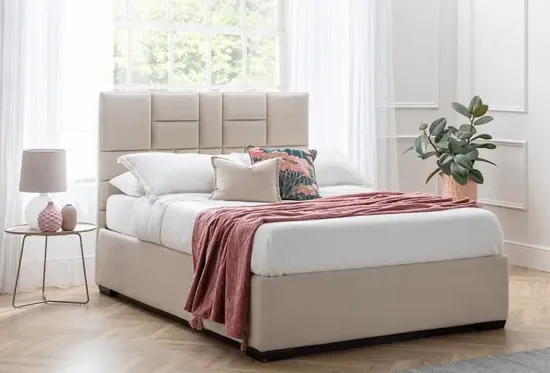
The Case For Modern Beds

Modern beds, on the other hand, are all about efficiency, versatility and - in many cases - subtlety. Designed for the way we live now, they tend to feature streamlined silhouettes, modular construction, lighter materials, and options for storage built into the frame.

If you live in a new-build or apartment with limited floor space, or you simply want a quieter design that supports everything else in the room rather than shouting over it, a modern bed is likely the better fit. Low profiles, minimalist frames, integrated lift-up bases - these are solutions for compact or multifunctional bedrooms.

And while modern beds can sometimes lean sterile, that depends entirely on execution. At Furl, for instance, our practical beds for compact bedrooms are handcrafted with soft curves, elegant fabric options and thoughtful detailing - so you get utility without sacrificing character.

Storage: The Defining Difference

Traditional beds rarely offer integrated storage. If they do, it’s an afterthought - shallow drawers, a tall frame with visible compartments. But most traditional beds rely on external solutions: underbed boxes, wardrobes, chest of drawers.

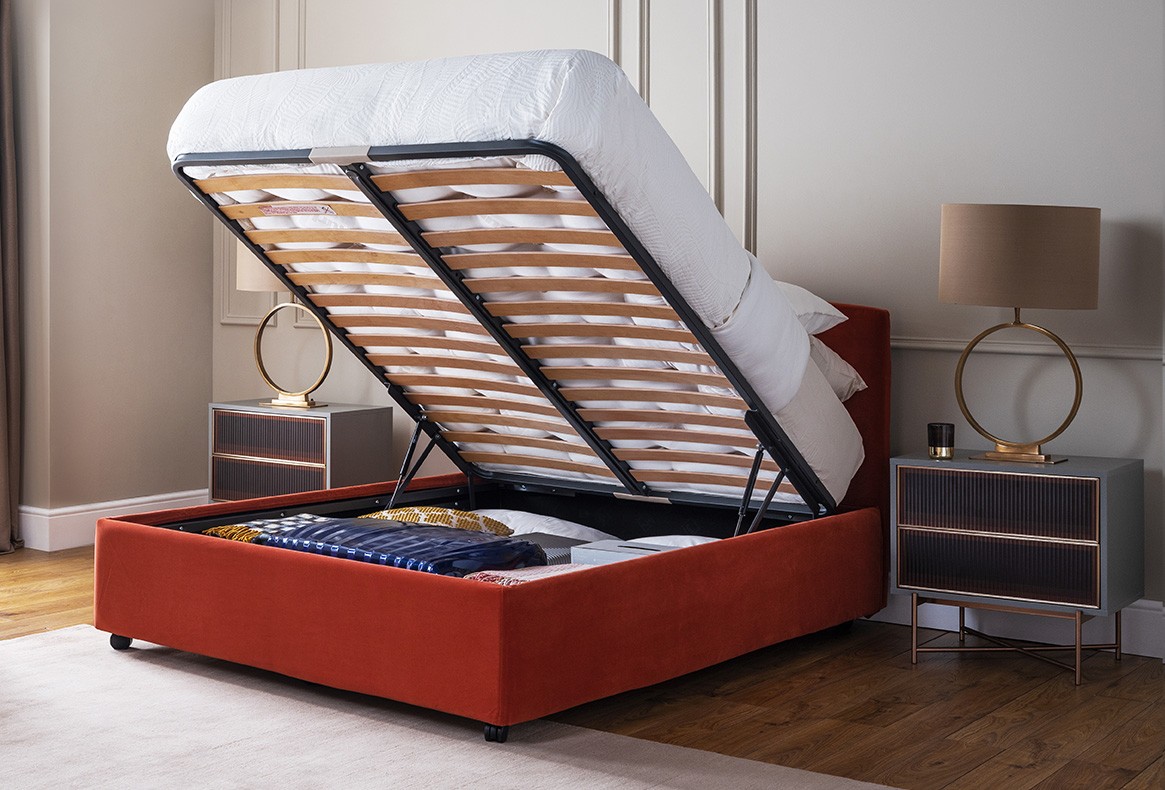
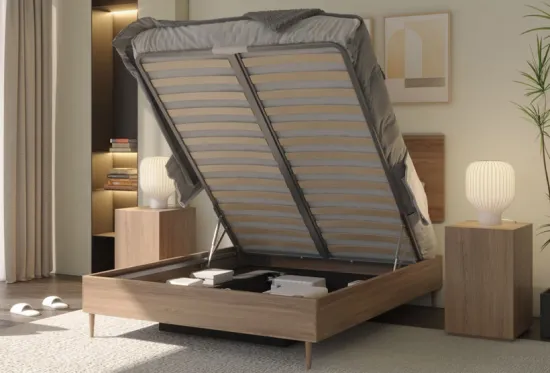
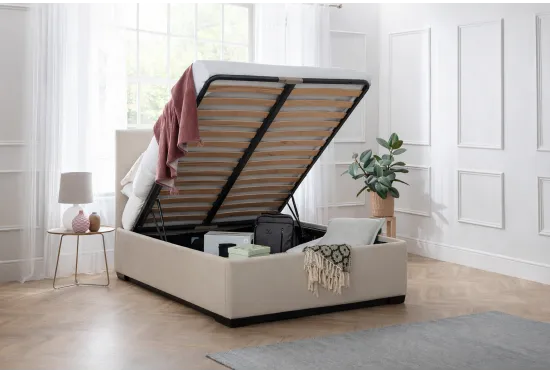
Modern beds - especially ottoman beds - turn storage into part of the structure. Lift the base, and you unlock space that’s often bigger than a freestanding cupboard. That’s a huge advantage in flats where every square metre counts - and when it comes to furniture ideas for small bedrooms, you can’t do better than an ottoman. 

If you’re wondering how this plays out practically, Furl’s Max depth ottoman models offer up to 40cm of usable storage, completely concealed, and easy to access with either a gas-lift or electric mechanism. They’re designed precisely for people who want a clean, minimalist aesthetic with no visible clutter.

Matching The Bed To Your Room’s Architecture

There’s also the architectural context to consider. In a Victorian terrace or Georgian flat with cornicing, picture rails and antique radiators, a traditional bed can feel beautifully at home - even when the rest of the room leans modern. The detailing echoes the bones of the building.

But in a minimalist loft, new-build apartment, or contemporary extension? A bulky four-poster or high sleigh bed can look… off. Proportion is everything. Modern frames are often better suited to open-plan or low-ceilinged spaces, where height needs to be managed and lines kept clean.

That said, contrasts can work - but they need to be intentional. A traditional bed in a modern room must be the feature, not an afterthought. And vice versa.

Low Storage Bed
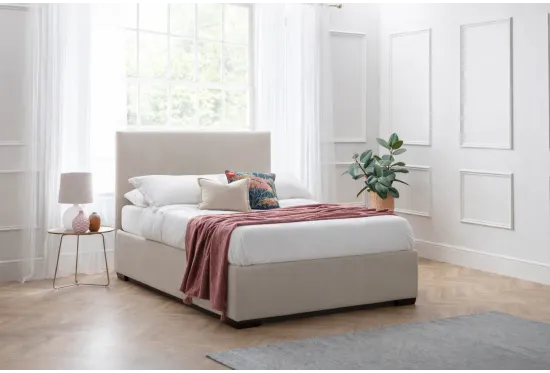
Simplicity Storage Bed

Material And Fabric Considerations

Traditional beds tend to favour wood - solid oak, walnut, pine - often with stained finishes or painted detailing. They’re warm and tactile, but can skew heavy.

Modern beds, meanwhile, open the door to upholstered frames, metal accents, platform bases, and sustainable engineered materials. If you’re after softness, linen or boucle upholstery can make a modern bed feel inviting without becoming fussy.

Upholstery also allows for more colour freedom - a navy velvet or muted green fabric headboard becomes a focal point without adding bulk. And unlike most traditional wooden beds, fabric frames can sit beautifully within pared-back interiors.

Don’t Forget Practical Details

Beyond aesthetics and structure, think about your own habits. Do you sit up in bed and read? You might want an upholstered headboard. Do you need to regularly access things you’ve stored under the bed? A modern ottoman makes that painless. Prefer a higher bed with a firm feel? A traditional divan or box spring might suit better.

It’s these daily interactions - the seemingly minor things - that often decide whether a bed works or doesn’t. And they’re rarely visible in a showroom photo.

Final Thoughts: Which One Feels Like Home?

Ultimately, choosing between a modern and traditional bed comes down to this: what makes your room feel right?

Do you want a quiet frame that disappears into the design, giving your artwork, rug or lighting space to shine? Or do you want a bed that anchors the room with a sense of heritage and solidity?

Do you need storage, flexibility, and space-efficiency? Or are you lucky enough to focus purely on form? Both styles can be beautiful. Both can be functional. But only one will truly match the way you live.

Related Products

David Norman

David Norman is the founder of Furl, a UK-based furniture brand known for redefining how people live with space-saving, design-led storage beds and sofa beds.

With almost two decades of hands-on experience in product design, manufacturing, and brand strategy, David has built Furl into a trusted name among urban professionals seeking calm, clutter-free homes. His work has been recognised for its innovation and craftsmanship, with features in publications such as Yahoo Finance and The Telegraph.

David continues to lead Furl’s creative direction, developing furniture that solves real-world problems without compromise.