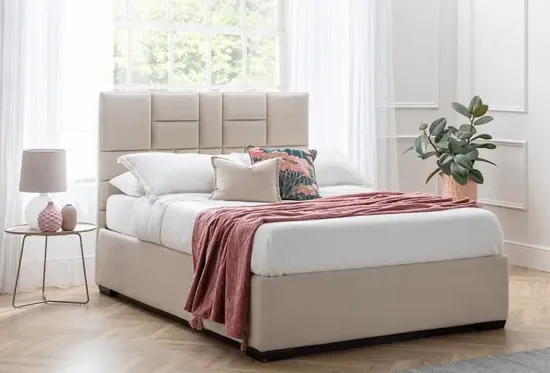
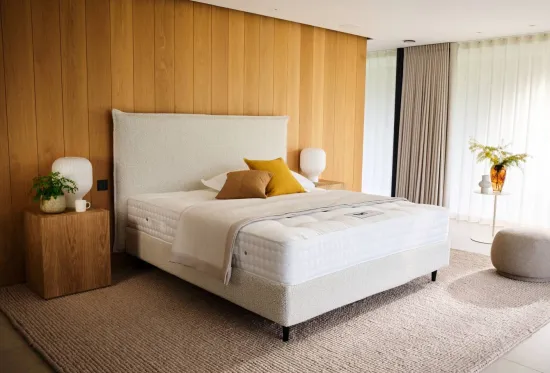
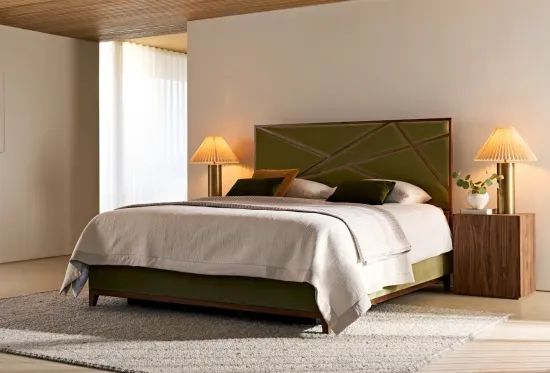
- Small Double Storage Beds
- Double Beds with Storage
- Small Double Ottoman Beds
- King Size Ottoman Beds
- Super King Size Ottoman Beds
Call us or Visit a showroom for expert personal advise and attention.
9 Things Every Bedroom Needs
- Updated :
- Published :
- Author David Norman
- label Guides
A Bed That Does More Than Look Good
The bed is obvious. But most people choose one based on how it looks in a showroom, not how it performs over time.
A good bed frame supports the mattress properly, doesn't creak, and lasts longer than the mattress itself. It should feel solid when you sit on the edge, and stable enough that movement on one side doesn't disturb the other.
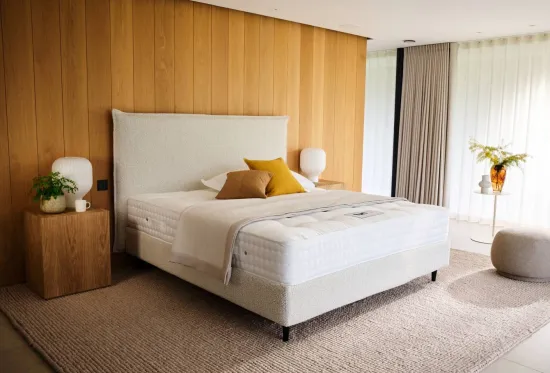
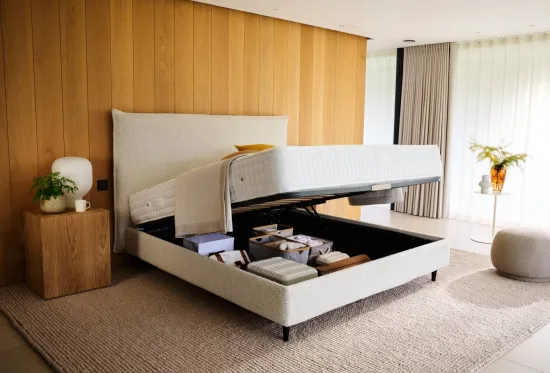
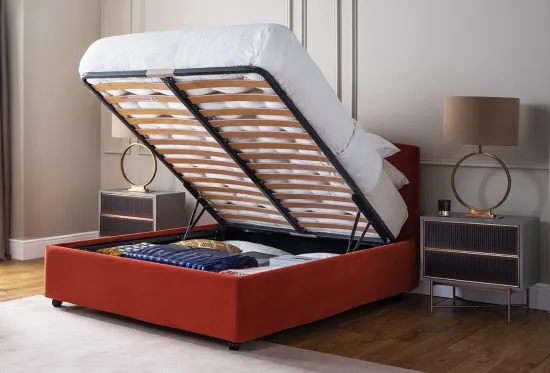
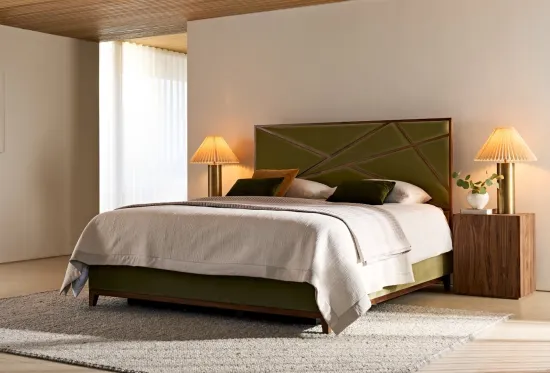
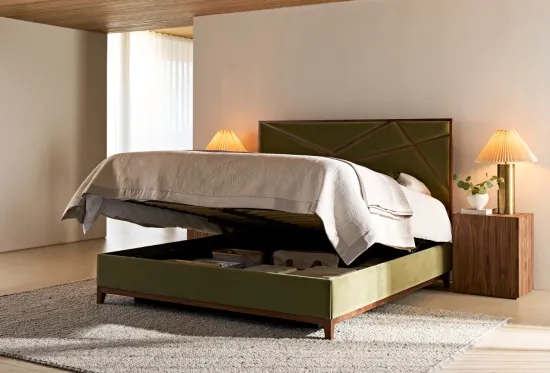
If space is tight, consider space-maximising ottoman beds - the kind that lift to reveal deep storage underneath. It's one of the most efficient uses of bedroom real estate, particularly in flats where wardrobes are shallow and cupboards are scarce.
Our Max Storage Bed, for instance, offers up to 40cm of internal depth. That's enough for off-season clothing, spare bedding, luggage - all the things that would otherwise pile up in corners or spill into other rooms. The gas-piston lift makes access effortless, and because it's built to order, it can be tailored to your exact space and needs.
Storage shouldn't be an afterthought. In smaller homes, it's essential.
Bedside Tables (Plural, If Possible)
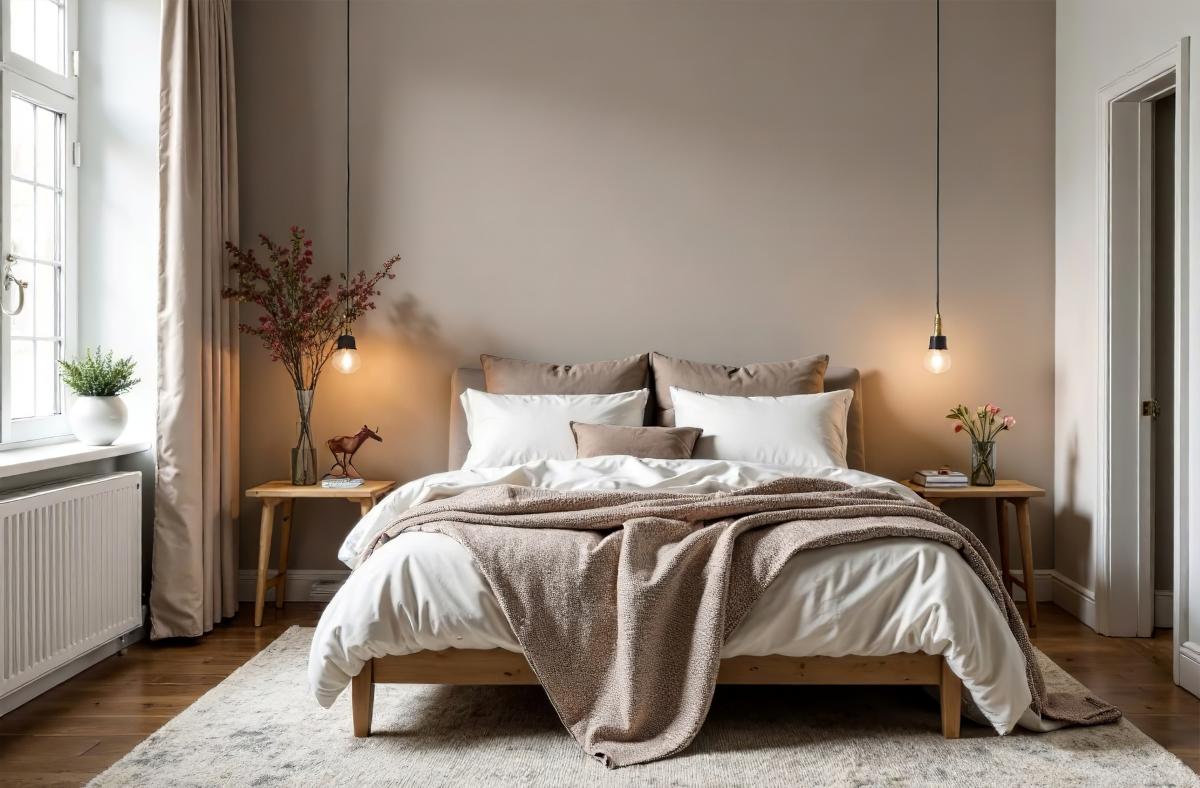
A single bedside table feels lopsided. Two creates balance, even if one side gets more use than the other.
Bedside tables anchor the bed visually and provide a landing spot for the things you reach for in the dark - your phone, a glass of water, a book you're halfway through. They also give you somewhere to place a lamp, which brings us to the next point.
Choose tables with at least one drawer or shelf. Open surfaces look clean in photographs, but in reality, they accumulate clutter. A drawer lets you hide the charger cables, the hand cream, the things you need but don't want on display.
And don't worry about matching. If you're mixing and matching bedroom furniture, bedside tables are a good place to experiment with contrast - different materials, different heights, different eras.
Proper Lighting (Layered, Not Harsh)
Overhead lighting rarely works in a bedroom. It's too bright, too clinical, too reminiscent of waiting rooms and office corridors.
Instead, layer your lighting. A bedside lamp for reading. A floor lamp in the corner for ambient warmth. Perhaps a dimmer switch on the overhead fixture, so you're not plunged into darkness or flooded with glare.
The goal is flexibility. Bright enough to get dressed by, soft enough to relax into. Lighting changes how a room feels more than almost anything else, and bedrooms need to shift between functional and restful depending on the time of day.

Somewhere to Sit That Isn't the Bed
A chair, a bench, an ottoman at the foot of the bed - it doesn't matter what it is, just that it exists.
Bedrooms without seating feel incomplete. You need somewhere to sit while you tie your shoes, somewhere to drape tomorrow's clothes, somewhere that isn't the bed when you're getting ready in the morning.
An upholstered bench works beautifully at the end of a bed, offering a place to perch and a visual anchor for the room. If space allows, a reading chair in the corner transforms the room from purely functional to genuinely habitable.
Look for pieces that serve more than one purpose. A storage ottoman, for instance, gives you seating and a place to stash extra pillows or blankets. Functionality doesn't have to come at the expense of style - it should enhance it.
A Mirror (Full-Length, Ideally)
You need to see what you look like before you leave the house. A full-length mirror is one of those things that feels optional until you don't have one, and then it's maddening.
Leaning mirrors work well in bedrooms - they're easy to move, don't require wall fixings, and can be propped against a wall or inside a wardrobe door. Freestanding mirrors on pivoting frames are another good option, particularly in period homes where drilling into walls feels like a commitment.
Mirrors also reflect light, which helps in smaller or darker bedrooms. Position one opposite a window, and you'll double the natural light without adding another fixture.
Adequate Storage (More Than You Think You Need)
Clothes expand to fill the space available. It's a law of nature.
Even if you're ruthless about decluttering, you'll need more storage than you think. Hanging space for coats and dresses, shelving for folded knits, drawers for smaller items, somewhere to put shoes that isn't the floor.
If your wardrobe is bursting, consider under-bed storage. Practical ottoman beds with integrated storage can hold an astonishing amount - enough to eliminate the need for a second wardrobe or chest of drawers.
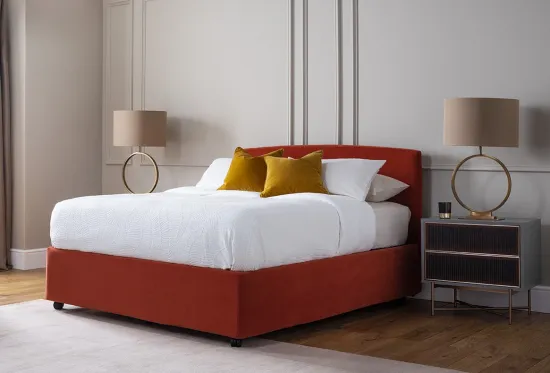
We design our storage beds specifically for people dealing with limited space and too many belongings. The lift mechanism is smooth, the depth is generous, and because they're upholstered to match your existing furniture, they don't look like storage solutions. They just look like beds.
Window Treatments That Actually Block Light
Sheer curtains look lovely. They also let in every car headlight, streetlamp, and early sunrise, which makes restful sleep nearly impossible.
If you want a bedroom that works for sleep, invest in blackout blinds or lined curtains. Layering sheers over blackout blinds gives you flexibility - light and airy during the day, properly dark at night.
Curtains should be long enough to skim the floor, and wide enough to cover the window fully when drawn. Skimpy curtains make a room feel unfinished, no matter how expensive the fabric.
Something Soft Underfoot
Waking up to cold floorboards is miserable. A rug - large enough to extend beyond the bed on at least three sides - makes the room feel warmer, quieter, more inviting.
Choose something soft if the rug is purely for comfort, or something flatweave if you want durability and easy cleaning. Either way, it should anchor the bed and define the sleeping area, particularly in open-plan spaces or studio flats.
Rugs also absorb sound, which matters more than people realise. Bedrooms should feel hushed, insulated from the rest of the house.
Personal Touches (But Not Too Many)
Photographs, books, a vase of flowers - the things that make a room feel lived in rather than staged.
But bedrooms benefit from restraint. Too many objects, too much visual noise, and the room stops feeling restful. A few meaningful pieces work better than a surface crowded with trinkets.
Keep surfaces relatively clear. Use trays to corral smaller items. And if something doesn't serve a purpose or bring you genuine pleasure, consider whether it needs to be there at all.
Why This Matters
A bedroom isn't just where you sleep. It's the first room you see in the morning and the last at night. It shapes your mood, your energy, your willingness to face the day.
At Furl, we believe bedrooms should work as hard as the people who sleep in them. That's why we design furniture that maximises space, minimises clutter, and lasts long enough to become part of your life rather than something you replace every few years.
Get the basics right - the bed, the storage, the lighting - and everything else falls into place. Because when your bedroom works properly, so do you.
Related Products
David Norman
David Norman is the founder of Furl, a UK-based furniture brand known for redefining how people live with space-saving, design-led storage beds and sofa beds.
With almost two decades of hands-on experience in product design, manufacturing, and brand strategy, David has built Furl into a trusted name among urban professionals seeking calm, clutter-free homes. His work has been recognised for its innovation and craftsmanship, with features in publications such as Yahoo Finance and The Telegraph.
David continues to lead Furl’s creative direction, developing furniture that solves real-world problems without compromise.