There's a particular satisfaction in knowing where something comes from. Not in a vague, supply-chain sense, but actually knowing - the workshop, the hands that built it, the materials sourced within driving distance rather than shipped across continents.

British-made furniture isn't a luxury reserved for people with unlimited budgets. It's a choice. One that affects quality, longevity, ethics, and whether your furniture arrives intact or in a flat-pack box with incomprehensible instructions.

At Furl, everything we make is handcrafted in our Nottingham workshop. Not because it's a marketing angle, but because it's the only way to build furniture that meets our standards. Here's why buying British-made matters more than most people realise.

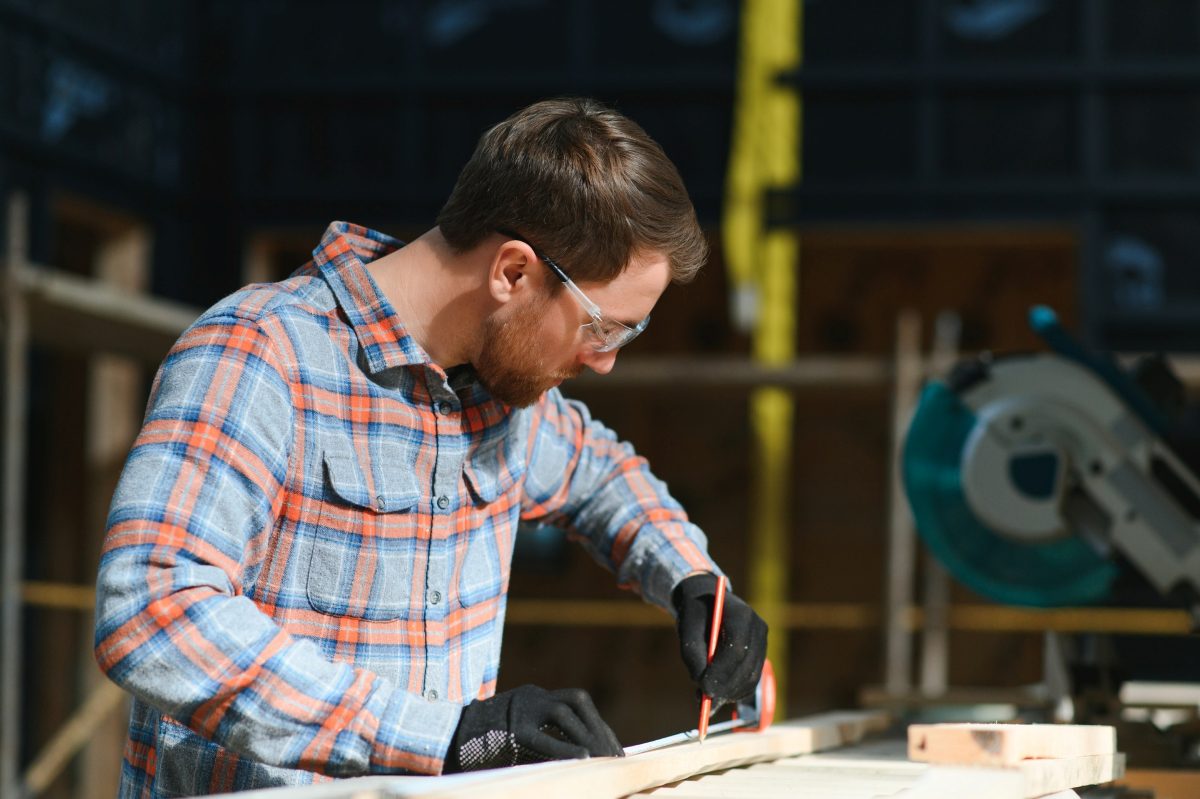
Professional carpenter in uniform cutting wooden board at sawmill

Quality You Can See and Feel

British furniture makers operate under a different set of assumptions than mass manufacturers. Speed isn't the priority. Volume isn't the goal. The work is about craft, precision, and building things that don't need replacing.

When furniture is made locally, by people who've trained for years rather than weeks, the difference is tangible. Joints are tighter. Finishes are smoother. Upholstery sits without puckering. The piece feels solid in a way that imported furniture, however well-designed, rarely does.

We're not romanticising the past. British manufacturing has modernised significantly - CNC machinery, precision cutting, advanced materials. But the human element remains central. Every Furl piece is built by hand, inspected individually, and finished to order. There's no production line, no quality control team catching errors after the fact. It's right the first time, or it doesn't leave the workshop.

That level of attention isn't scalable. Which is exactly why it's valuable.

Shorter Supply Chains, Fewer Surprises

Furniture shipped from overseas goes through more hands than most people imagine. Factory to port, port to warehouse, warehouse to distribution centre, distribution centre to courier. Each handoff increases the chance of damage, delay, or something getting lost entirely.

British-made furniture skips most of that. The materials are sourced locally or regionally. The workshop and the customer are often in the same country. Delivery is direct, handled by people who know the product and care whether it arrives intact.

When we deliver a sofa or a storage bed, our own team brings it to your door, assembles it in your home, and ensures it works as intended. There's no middleman, no outsourced logistics, no fine print disclaiming responsibility if something goes wrong.

If there's an issue - a fabric we need to reorder, a mechanism that needs adjusting - we handle it immediately, because the workshop is here, not eight time zones away.

Environmental Impact That's Easier to Trace

Sustainability is a convenient buzzword for brands shipping products halfway around the world. British-made furniture makes it easier to evaluate the actual environmental cost.

Transporting goods by sea and air produces significant carbon emissions. A sofa manufactured in Asia and shipped to the UK has a carbon footprint several times larger than one made domestically, even accounting for the energy used in production.

Local sourcing reduces this further. British timber, British textiles, British foam - each material chosen for proximity as well as quality. It's not about nationalism. It's about reducing the distance between raw material and finished product.

And because British manufacturing is subject to stricter environmental and labour regulations than many overseas factories, you're not inadvertently supporting practices you'd find objectionable if you saw them firsthand.

It's not perfect. But it's measurably better.

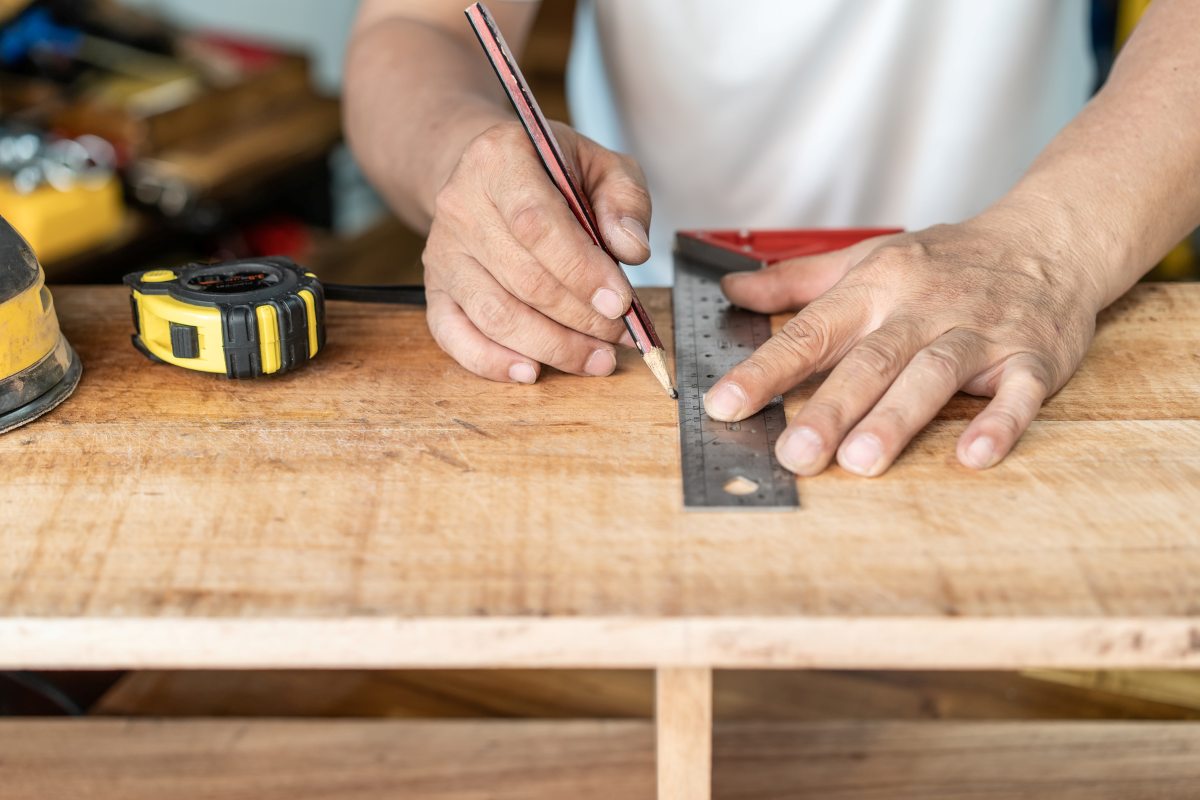
man using a pencil marking the line on wood

Supporting Craft That's Worth Preserving

British furniture-making has a long, occasionally illustrious history. Chippendale, Hepplewhite, the Arts and Crafts movement - traditions built on the idea that furniture should be beautiful, functional, and made to last.

Much of that heritage has been lost to cheaper manufacturing abroad. Workshops have closed. Skills have gone unlearned. The knowledge of how to build a proper mortise-and-tenon joint, or how to hand-tie springs, exists now in pockets rather than as widespread practice.

When you buy British-made, you're keeping those skills alive. You're ensuring that the next generation has the opportunity to learn them, and that furniture-making remains a viable profession rather than a nostalgic memory.

We employ craftspeople who've spent years perfecting their trade. That expertise doesn't appear overnight, and it doesn't survive if there's no market for what they produce.

Customisation Without Compromise

Mass production demands uniformity. The same size, the same fabric options, the same configurations, because deviation slows the line and increases costs.

British workshops operate differently. Made-to-order isn't a premium service - it's standard. You want a different fabric? A custom size to fit an awkward alcove? A specific leg height to match existing furniture? It's handled as part of the process, not an exception that requires special approval.

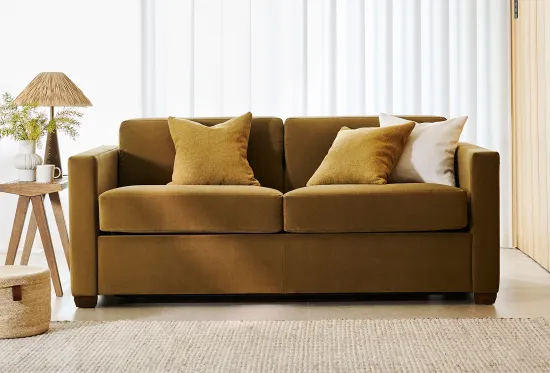
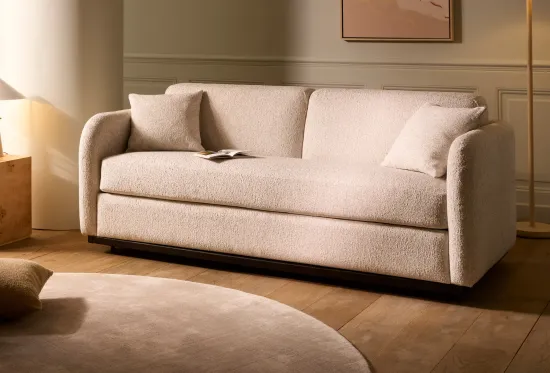
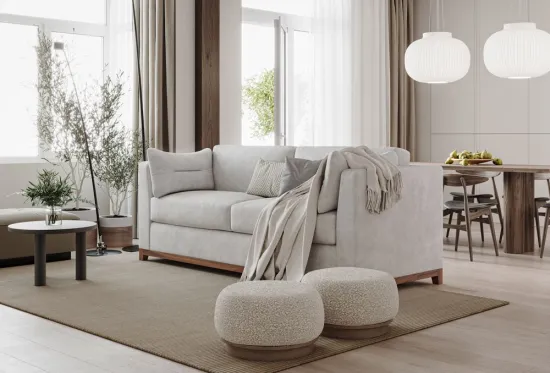
At Furl, every piece is built to order. You choose the fabric from our full range, not from a limited selection of "quick ship" options. If your space requires specific dimensions, we adjust accordingly. So if you're wondering why quality matters in sofa design, customisation is part of what you're paying for - and quality makes all the difference.

Transparency in a Market That Rarely Offers It

Most furniture brands don't want you asking too many questions. Where was this made? What's the frame constructed from? Who built it, and under what conditions?

British-made furniture is harder to obfuscate. The workshop exists. The makers have names. The materials are traceable. If you want to visit the factory, you can - it's in Nottingham, not Shenzhen.

That transparency builds trust. You're not relying on marketing copy or third-party certifications of dubious reliability. You're dealing with a maker who can answer your questions directly, because they actually know the answers.

When someone asks us what our sofa frames are made from, we don't deflect or generalise. We tell them: kiln-dried beech hardwood, dowelled and glued, corner-braced for stability. Because we built it, and we know.

Longevity That Justifies the Cost

British-made furniture costs more upfront. There's no getting around that. Labour is more expensive here. Materials are more expensive. The entire process is slower and more meticulous.

But longevity changes the equation. A £400 sofa that lasts five years costs £80 per year. A £2,000 sofa that lasts thirty years costs £66 per year. The cheaper option is only cheaper if you ignore time.

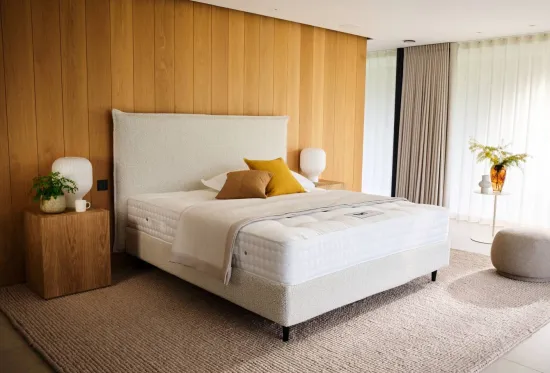
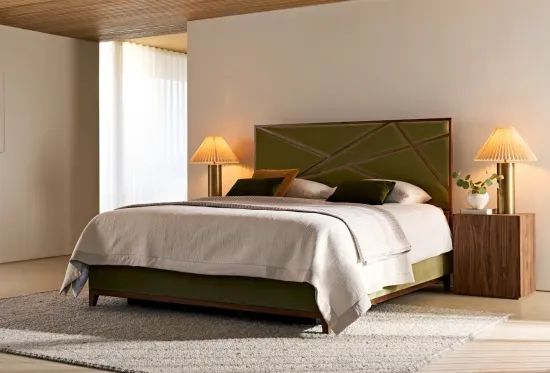
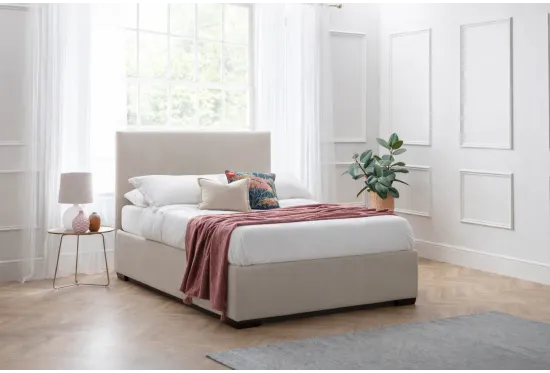
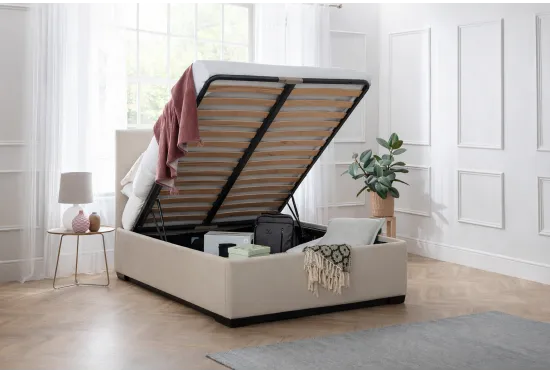
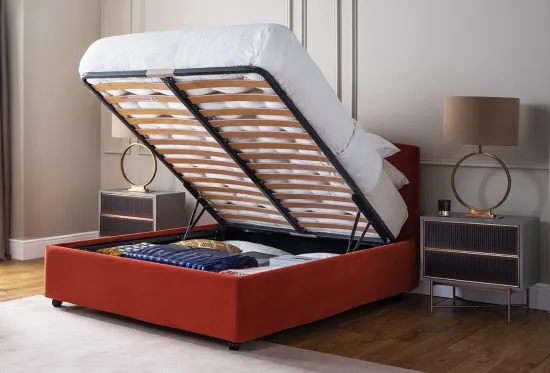
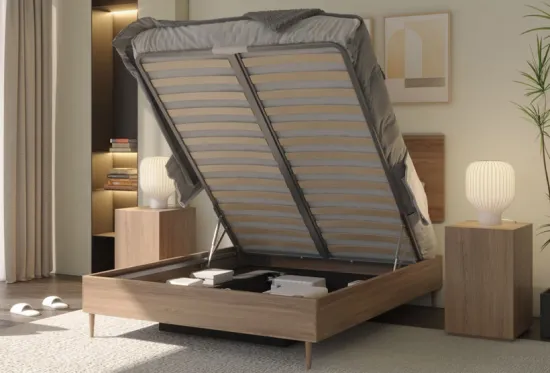
Our stylish beds that offer built-in storage are designed to outlast trends, moves, even changes in how you use the space. The frame won't sag. The mechanism won't fail. The upholstery won't pill or fade prematurely.

It's not furniture you replace. It's furniture you keep.

A Purchase That Feels Different

There's something distinct about buying something made locally. Not sentimentality, exactly, but a sense of connection to the object and its origins.

You're not ordering from a faceless corporation with no accountability beyond shareholder returns. You're supporting a workshop, employing people with real skills, contributing to an economy that values craft over volume.

It's a small thing. But it's not nothing.

At Furl, we make furniture for people who care where things come from and how they're made. Not because it's trendy, but because it matters - to quality, to ethics, to whether your home is filled with things that last or things that merely look the part.

British-made isn't a guarantee of perfection. But it's a much safer bet than the alternative.

Related Products

David Norman

David Norman is the founder of Furl, a UK-based furniture brand known for redefining how people live with space-saving, design-led storage beds and sofa beds.

With almost two decades of hands-on experience in product design, manufacturing, and brand strategy, David has built Furl into a trusted name among urban professionals seeking calm, clutter-free homes. His work has been recognised for its innovation and craftsmanship, with features in publications such as Yahoo Finance and The Telegraph.

David continues to lead Furl’s creative direction, developing furniture that solves real-world problems without compromise.