Most people think poor sleep starts with stress, screens, or late-night caffeine. And yes, those things matter. But the environment you fall asleep in matters just as much - often more. A cluttered bedroom doesn’t just look chaotic, it feels chaotic. It signals unfinished tasks, unresolved thoughts, and a certain low-level mental noise you carry into the night. There’s even growing research behind this!

Sleep specialists talk about cognitive load - the way visual information, even benign objects, tug at your attention and subtly keep your brain alert. A pile of clothes, overfilled shelves, boxes at the foot of the bed. Nothing dramatic, but collectively draining. In bedrooms already fighting for space, the effect becomes even sharper: the room shrinks, the mind races, and sleep becomes lighter, shallower, and less restorative.

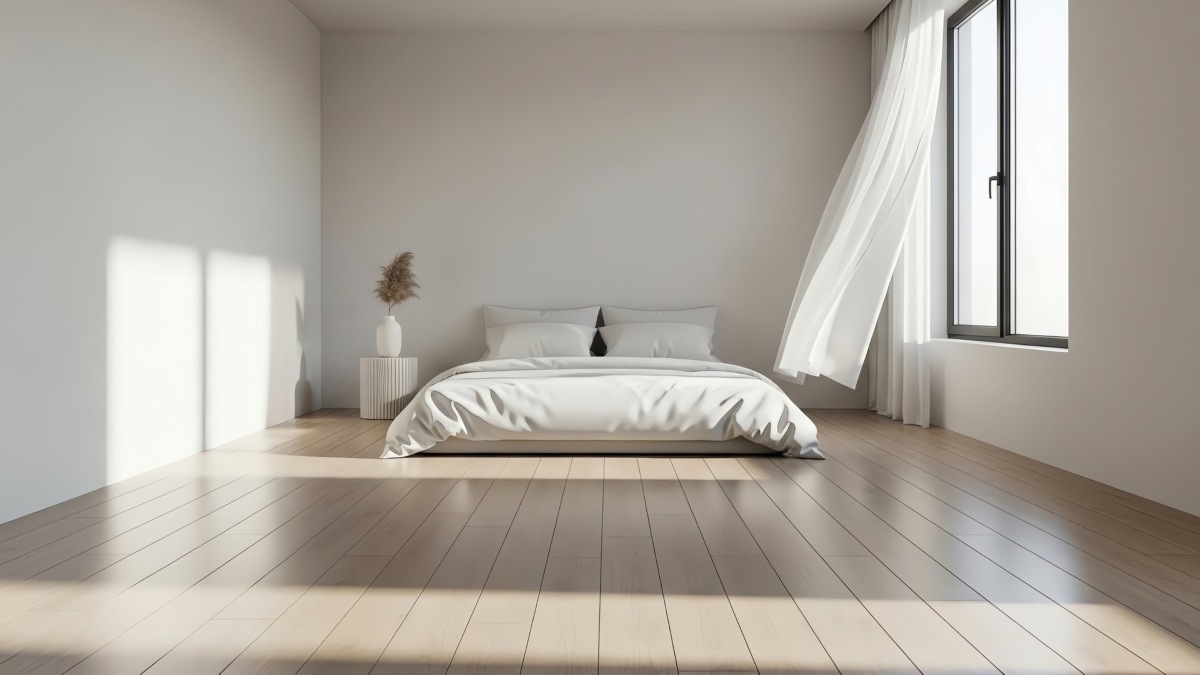
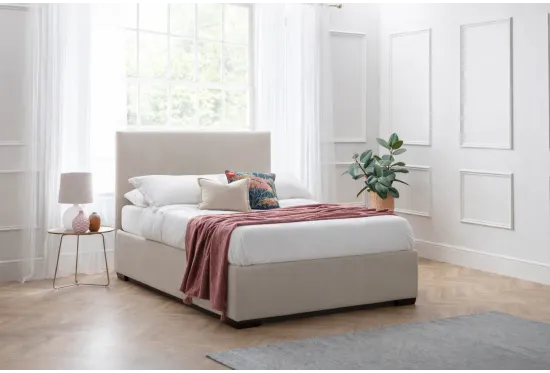
Minimalist Bedroom with Sunlight Streaming Through Window and Curtains

Why Clutter Interferes With Rest

The brain is wired to respond to its environment. Anything out of place reads as “something to deal with later”, which is the last thought you want lingering before sleep. Even if you don’t actively notice the clutter, your mind still catalogues it. Researchers have linked messy environments to elevated cortisol and quicker mental fatigue - a combination that disrupts natural sleep cycles. But the effect isn’t only psychological. Clutter interrupts airflow, blocks light, and crowds the areas where your body should be winding down. A bedroom needs emptiness as much as it needs softness - enter space-efficient storage furniture.

The Bedroom Should Feel Like Permission to Switch Off

When you walk into a calm room, your body understands what’s expected: rest. When you walk into a cluttered one, it sends a different message: “You’re not done yet.” That’s why decluttering has such an outsized effect on sleep. It’s not about perfection. It’s about giving the brain a moment of silence. Clear surfaces. Space between furniture. Wall lines unobstructed. Even the simple act of putting things out of sight makes a measurable emotional difference. Not hidden hastily - stored with intention. There’s a quiet dignity in that.

Storage Furniture Isn’t a Convenience - It’s a Sleep Tool

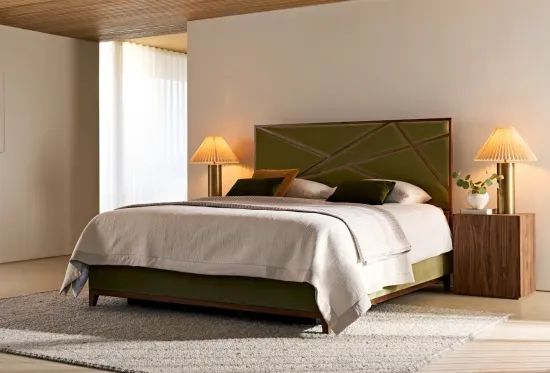
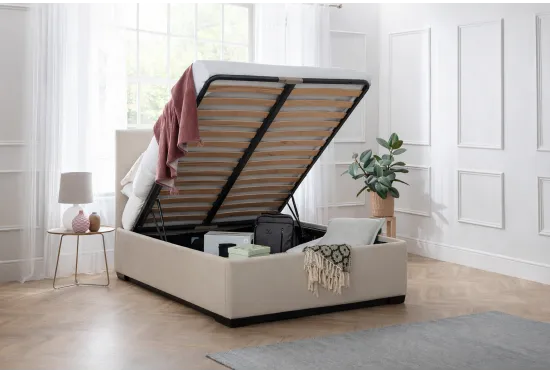
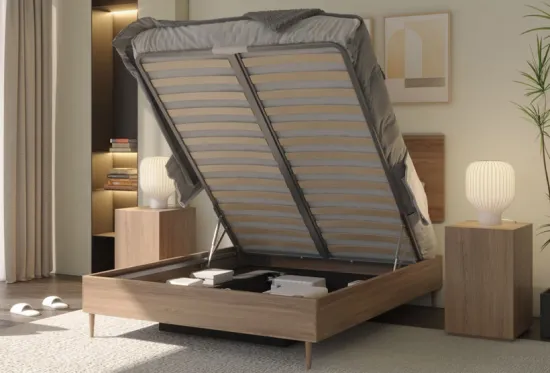
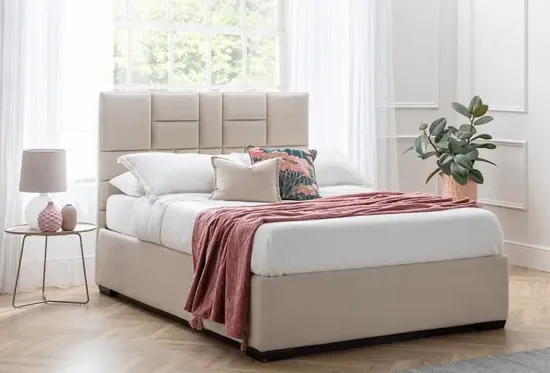
Clutter usually accumulates because storage hasn’t been planned properly. Not because people own too much, but because they have nowhere meaningful to put it. This is where well-designed furniture changes everything. Storage beds - especially deep, well-engineered ones - effectively clear an entire room without adding visual weight. Furl’s designs do this particularly well. The internal floors are reinforced, the lift mechanisms stay open on their own, and everything from out-of-season bedding to shoes and spare linens disappears beneath the mattress. No forcing drawers shut. No stacking boxes behind the door. Just space that behaves like space again.

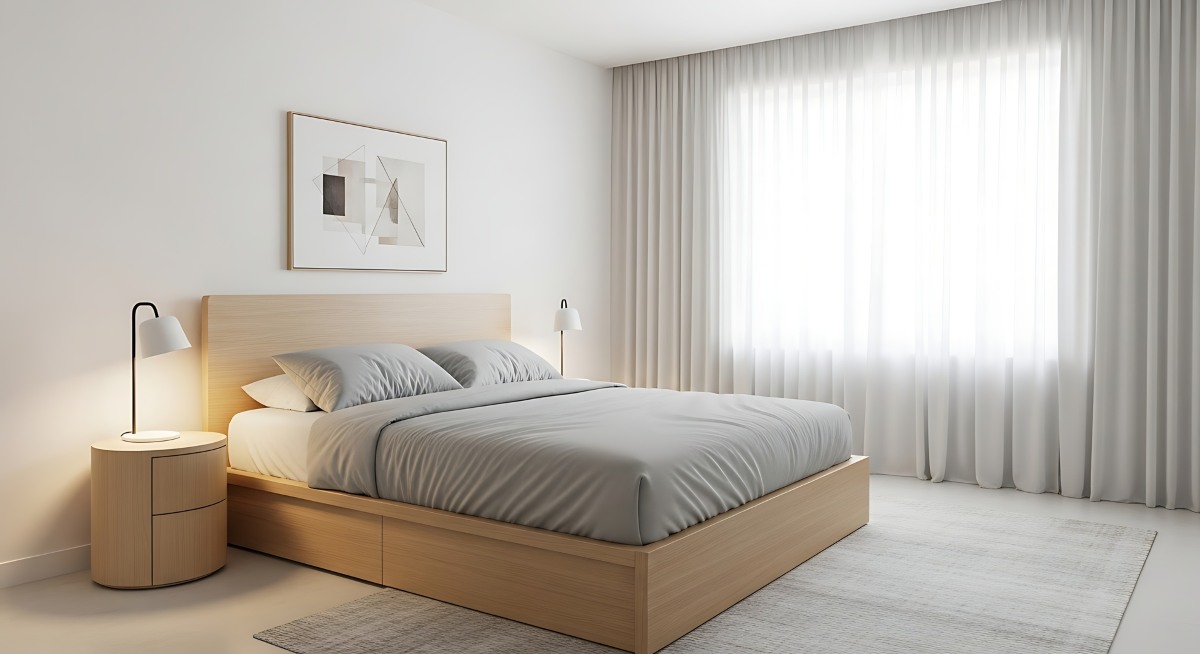
Bright and serene contemporary bedroom with wood bed

Less Visual Noise Means Deeper Sleep

When the room simplifies, your breath changes. It slows without being instructed to. Your shoulders soften. The bed feels more inviting because it isn’t competing with the environment around it. A clutter-free space improves the wind-down process, which is essential for transitioning into deeper sleep stages. You fall asleep quicker. You stay asleep longer. And the sleep itself feels cleaner - less interrupted, less shallow, less strained.

Light, Air, and Order All Work Together

Clutter blocks natural light paths, and darkness in the wrong corner can make a room feel heavy. It also disrupts airflow, trapping warmth where you don’t want it. A clear room, on the other hand, lets air circulate freely. Bedside tables regain space. The floor becomes continuous rather than broken by obstacles. Even the mattress performs better. It’s remarkable how much quieter a bedroom feels when nothing interrupts the sightline from door to window.

Your Bed Should Be the Calmest Point in the Room

The eye naturally gravitates to the bed the moment you walk in. If that area is chaotic - tangled bedding, too many pillows, towels or clothes draped over the end - it becomes a visual cue of disarray. A calm bed, though, sets the emotional tone. Smooth sheets. A considered throw. A few pillows rather than an avalanche. Storage beneath the mattress helps here too: bedding rotation becomes effortless, and you’re no longer living with piles of spare linens because you “don’t know where to put them”.

Modern Living Makes Clutter Almost Inevitable

Bedrooms used to be simpler. Fewer gadgets. Smaller wardrobes. Less multipurpose use. Now they’re gyms, offices, dressing rooms, reading nooks - sometimes all at once. No wonder clutter creeps in. The key isn’t forcing minimalism but designing the space to cope with the life you actually live. Hidden storage is a practical kindness. It lets the bedroom hold more without looking like it’s holding more. It gives rest a chance.

Fewer Distractions, More Room to Breathe

If your bedroom feels mentally noisy, it’s rarely because of colour or furniture arrangement. It’s because too many objects are asking for attention. Put simply: your mind can’t switch off when your environment hasn’t. Removing visual clutter removes the cognitive hum. It makes sleep less of a transition and more of a natural slide.

Why a Calm Room Improves Waking, Not Just Sleeping

The impact doesn’t end in the dark. Waking in a clean space - a room where everything is where it belongs - changes the emotional texture of the morning. You start the day with clarity rather than friction. A room that supports proper sleep tends to support better mornings too.

And the right furniture - especially the bed - becomes part of the long-term rhythm. And if you want to rethink your bedroom from the foundation up, Furl’s storage beds are perfect for modern living - they don’t just tidy a room, they quieten it.

Related Products

David Norman

David Norman is the founder of Furl, a UK-based furniture brand known for redefining how people live with space-saving, design-led storage beds and sofa beds.

With almost two decades of hands-on experience in product design, manufacturing, and brand strategy, David has built Furl into a trusted name among urban professionals seeking calm, clutter-free homes. His work has been recognised for its innovation and craftsmanship, with features in publications such as Yahoo Finance and The Telegraph.

David continues to lead Furl’s creative direction, developing furniture that solves real-world problems without compromise.

Got Questions? Lets Talk!