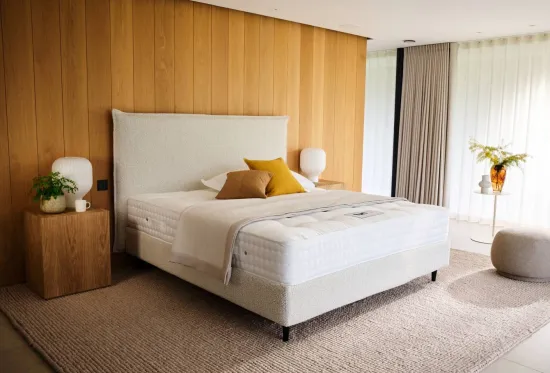
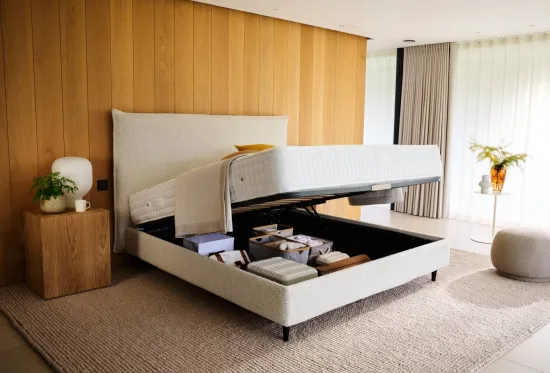
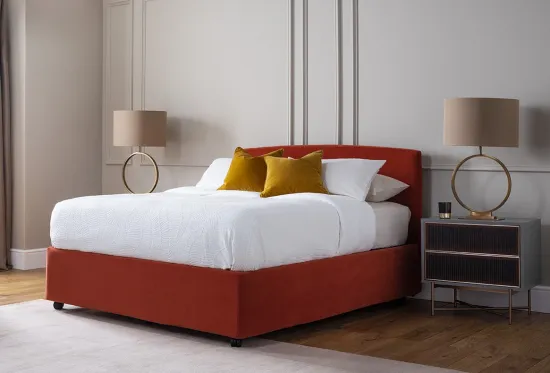
You could furnish a home with beautiful individual pieces - a sumptuous ottoman bed, a well-made sofa bed, a statement console table - and still feel like something’s missing. That something is cohesion. When rooms don’t speak to one another, when pieces don’t harmonise in material, scale or spirit, you end up with a patchwork of intention, not a design. This guide explores how to create a truly unified interior by matching three core elements - the sofa bed, ottoman bed and console table - to form a visual rhythm that flows from one space to the next.

interiors

Why Cohesion Matters More Than You Think

We often speak of rooms as distinct zones: the bedroom, the living room, the hallway. But in reality, especially in modern homes or flats, these spaces blend. A hallway is visible from a kitchen; a sofa faces a console; a bed is seen through an open door. Visual consistency between furniture pieces helps guide the eye - and calms the mind. Without it, even expensive items can look like clashing statements.

Cohesion doesn’t mean everything matches in a showroom-perfect set. Quite the opposite - it’s about thoughtful dialogue: wood tones that complement rather than mimic, forms that contrast but don’t compete, and finishes that echo without duplicating. Your furniture shouldn’t be in uniform; it should be in conversation.

Pairing Sofa Beds And Console Tables

Start With A Mood: Not A Colour Scheme

Before diving into textures, styles or measurements, step back. What’s the overarching mood you want your space to evoke? Is it warm minimalism? Urban softness? Classic quiet luxury? Mood will anchor your decision-making far more effectively than colour alone.

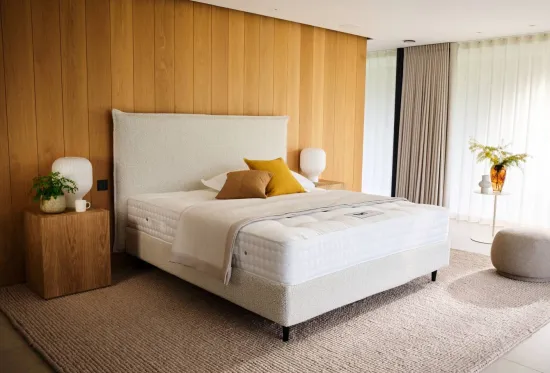
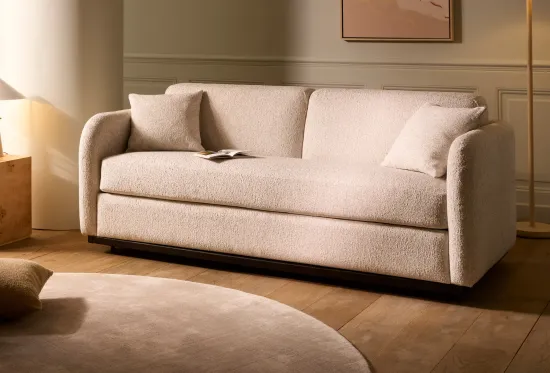
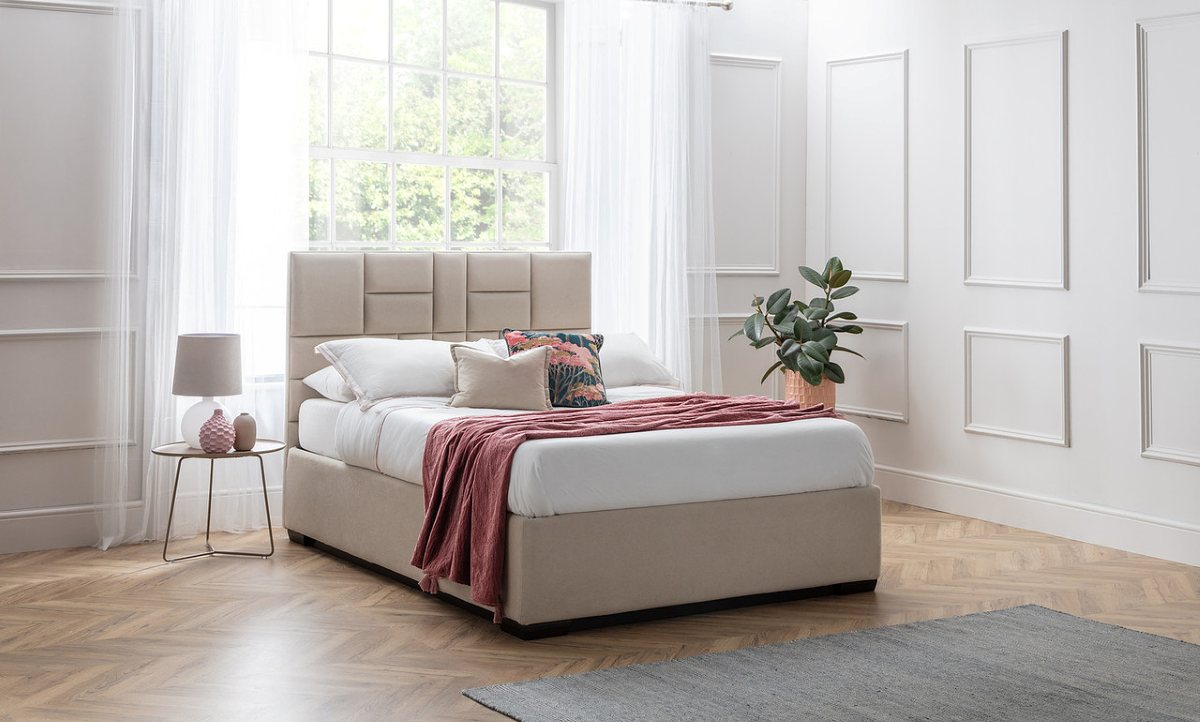
Let’s say your mood is calm, tactile modernity. That points you toward plush materials like velvet or boucle for a sofa bed, but in subdued, neutral tones. You might balance that with a clean-lined console in light oak or a pale lacquer. For the ottoman bed, perhaps a woven textured headboard with hidden storage that nods to practicality - without breaking the mood.

When each piece emerges from the same emotional palette, the space clicks.

Pairing Sofa Beds And Console Tables: Shared Surfaces, Shared Spirit

These two pieces are likely in the same visual field - often sharing a room or line of sight. That doesn’t mean matching finishes, but they should agree on tone.

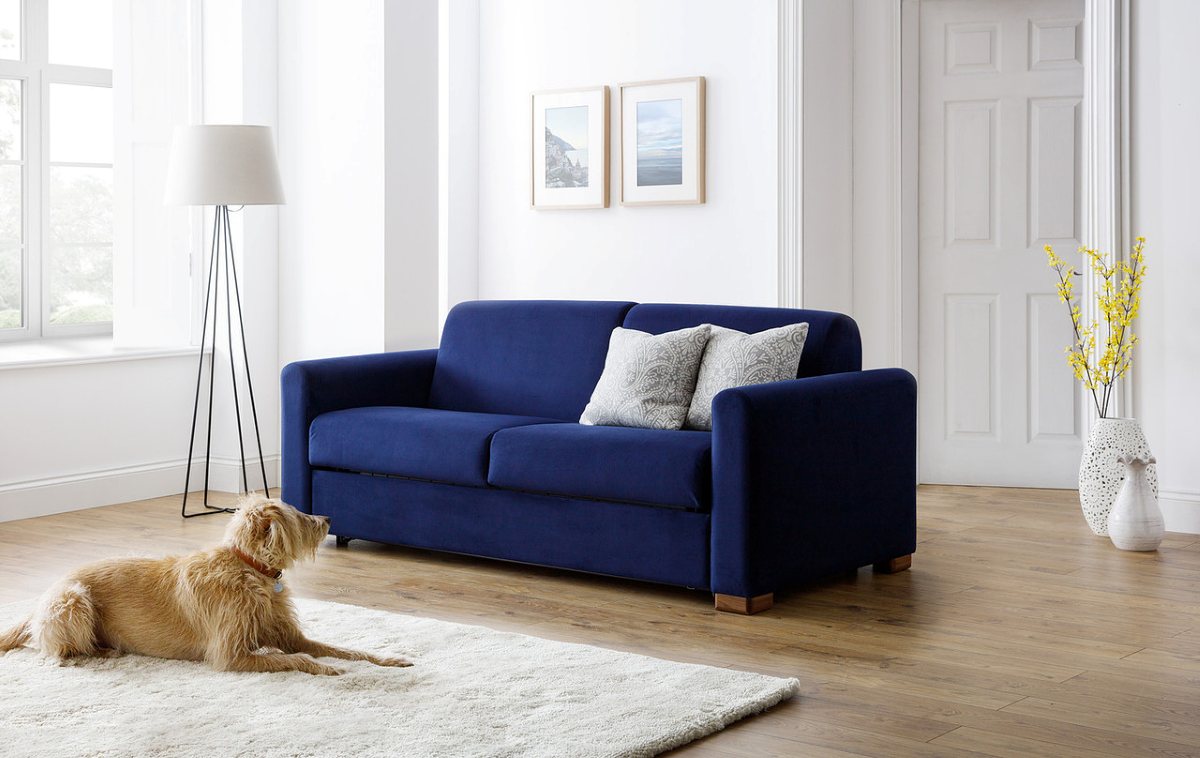
If your sofa bed is upholstered in a rich, dark navy fabric, consider a console table in matte blackened metal or walnut - something that echoes the saturation without copying the material. Conversely, if your sofa bed is light and sculptural, a slender console in ash or birch with rounded edges keeps the harmony soft.

Think about shared details: do both pieces have visible legs? Do they sit low and linear, or tall and angular? Repeating shapes (even subtly - a tapered leg here, a bevelled edge there) helps them relate.

And if your space is tight? Choose a console table that offers functional space - drawers, shelves, or even one that extends - to mirror the versatility of your sofa bed. They’re both smart furniture; let their cleverness play off one another.

Coordinating Ottoman Beds With The Rest Of Your Home

Ottoman beds aren’t just for sleeping - they’re storage powerhouses. But aesthetically, they’re often the trickiest to coordinate. Why? Because the bedroom is usually its own style island.

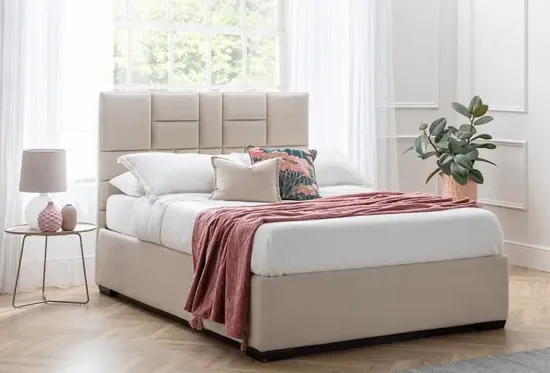
The goal here is to echo materials or textures from your living space without copying them. If your lounge has natural linens or warm-toned upholstery, reflect that in your headboard fabric or bedding. If your console has slim, elegant proportions, choose an ottoman bed with equally refined lines - avoid bulky divans or decorative overload that jars with the rest of your space.

Another trick: use the visible part of your ottoman - the headboard and side rails - to balance the prominence of your console table. A strong, graphic headboard can act like a visual anchor, just as a sculptural console can in a hallway.

And don’t underestimate the power of flooring and wall colour to pull pieces together. A pale engineered oak floor, for example, can unify a charcoal bed base, ivory console and navy sofa bed through neutral contrast.

Use Repetition - But Sparingly

Repeating materials, tones or shapes throughout a space is one of the oldest interior design techniques. But it works - as long as it’s not overdone.

Maybe your console table features brushed brass detailing. Echo that brass in the legs of your sofa bed, or in the zipper of a velvet cushion. If your ottoman bed has a textured weave, pick that up in the grain of your console’s wood or in the nap of your upholstery.

Subtle repetition helps the space feel intentional - like each element was considered in relation to the others.

Let Function Guide Form

Don’t let aesthetics override usability. A console table might be the visual bridge between your sofa bed and bedroom, but it still needs to function. Likewise, a sofa bed has to feel like a real bed when used daily, and your ottoman should be easy to lift - not just pretty in profile.

That’s why choosing multifunctional furniture that’s built with real-life use in mind is crucial. And when form follows function - when a sofa is comfortable and well-proportioned, when a bed opens easily and looks elegant - your interiors won’t just look cohesive. They’ll feel cohesive. Because they work the way they should.

Texture: The Quiet Unifier

People obsess over colour palettes, but often it’s texture that ties a space together. A matte velvet on a sofa, the slight grain of a timber console, a slubby linen on a headboard - these surface qualities create harmony even when colours differ.

Layering textures across your three anchor pieces creates depth and warmth. And it prevents the dreaded “flat” look that happens when everything is too matchy or too polished.

If your sofa is velvet, make your ottoman headboard a relaxed cotton twill. If your console is gloss lacquer, bring in a woven rug to offset it. Balance makes cohesion stronger than sameness.

Bed
Sofa bed

One Space, Three Anchors - Infinite Cohesion

When you curate your sofa bed, ottoman bed and console table as a collective - not three separate transactions - you elevate your home. It becomes more than well-furnished. It becomes intentional. The pieces relate. They support one another. And they tell a consistent story.

Whether you’re working with open plan living, a compact apartment, or a home that blends classic with contemporary, consider this triad your foundation. Get those right, and the rest falls into place.

Why Choose Furl

At Furl, we believe that living well is about comfort, design and space - not compromise. For over a decade, this British manufacturer has crafted furniture built on three pillars: superior quality, space‑saving engineering and thoughtful design. Their products are hand‑made in their Nottingham workshop, ensuring every detail - from mechanism to fabric - is controlled. They’ve been focused on making furniture that isn’t just functional but beautiful, enabling better sleep, clearer floors and calmer rooms. With a dedicated measuring service and professional delivery teams who assemble in‑home, there’s no guessing, only living. If you’re investing in furniture that has to perform, adapt and endure - then choosing furniture from a maker who designs and builds matters. Furl means trouble‑free storage, real mattresses, flexible layouts and design you can trust.

FAQs

Q: How much storage space do ottoman‑style beds typically offer?

A: Storage depth varies by model, but many high‑quality designs offer around 30–40 cm of usable space beneath the mattress platform - enough for suitcases, duvets, seasonals and boxes.

Q: Is a sofa bed practical for everyday use?

A: Yes - as long as it’s built for it. A sofa bed with a proper mattress (pocket springs or high‑density foam), smooth mechanism and sturdy frame can perform as a daily bed and a comfortable lounge.

Q: Will mixing materials in my furniture make the room feel chaotic?

A: Not necessarily. When done well, mixing materials adds depth and interest. The key is choosing pieces that share at least one unifying element - leg shape, tone, or texture - so they feel related rather than disjointed.

Q: How do I ensure my bed doesn’t dominate a small room?

A: Focus on proportion and functionality. Choose lower platform heights, slim arms on your sofas, and select pieces that complement circulation space rather than block it. Modular or flexible designs help adapt to shape and size.

Q: What should I look out for when buying furniture that claims “luxury” or “bespoke”?

A: Check construction details (solid frames, quality joinery), mechanisms (smooth, serviceable, correctly spec’d for mattress weight), material finishes (natural fibre textiles, real timbers, durable upholstery), and manufacturer support (warranty, servicing, installation). If any one of these is weak, the “luxury” promise starts to unravel.

Related Products

David Norman

David Norman is the founder of Furl, a UK-based furniture brand known for redefining how people live with space-saving, design-led storage beds and sofa beds.

With almost two decades of hands-on experience in product design, manufacturing, and brand strategy, David has built Furl into a trusted name among urban professionals seeking calm, clutter-free homes. His work has been recognised for its innovation and craftsmanship, with features in publications such as Yahoo Finance and The Telegraph.

David continues to lead Furl’s creative direction, developing furniture that solves real-world problems without compromise.