
Basket Summary
There are no more items in your basket
By Type
Our homes are meant to be places where we can switch off. For many, they have become the opposite — places of stress, embarrassment and quiet conflict.
At Furl, we wanted to understand how modern home life is affecting people's wellbeing, relationships and comfort at home. So we commissioned a nationally representative survey of more than 2,000 UK adults. The findings reveal a growing clutter crisis: arguments at home, embarrassment about untidy spaces, and a generation of households quietly avoiding overnight guests altogether.
This is Britain's Clutter Report 2026.
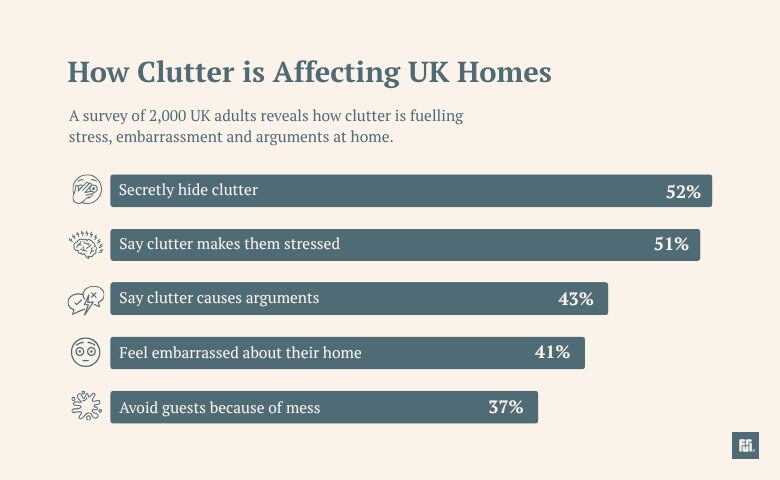
Clutter has become a major source of tension in many households. Almost half of Britons (43%) say clutter causes arguments at home, and these aren't isolated flashpoints. More than a third (36%) say rows about mess happen at least once a month, and 13% admit disagreements over clutter happen every single week.
Over half of respondents (51%) say clutter leaves them feeling stressed, and 41% admit they feel embarrassed about the state of their home at times. The findings also suggest clutter is shaping how people view each other — 30% say they judge friends or family when their homes appear messy or disorganised.
The research suggests many households are struggling to maintain regular cleaning and organisation routines alongside busy everyday lives.
More than a quarter of UK adults (27%) say they do not follow any regular home reset or cleaning routine, while only 13% reset their home daily. A further 17% tidy a few times a week without a set routine, and 10% admit they clean less often than weekly.
The result is a reliance on quick fixes rather than long-term organisation. More than half of respondents (52%) admit they secretly hide clutter to make their homes appear tidier before guests arrive.
Modern households are juggling work, social lives and family responsibilities — and many feel overwhelmed by the pressure to keep homes consistently tidy and guest-ready.
The research reveals many households now see hosting overnight guests as more stressful than enjoyable.
Two in five respondents (42%) say having overnight guests stay is more stressful than enjoyable, while 35% actively avoid hosting overnight guests in order to prevent tension or conflict at home. More than a third (37%) say they have avoided inviting guests over altogether because they feel embarrassed about clutter or mess in their home.
For some households, overnight stays have become a regular source of conflict. More than a quarter (26%) say hosting overnight guests has caused arguments at home, and 17% say disagreements over overnight guests happen at least once a month.
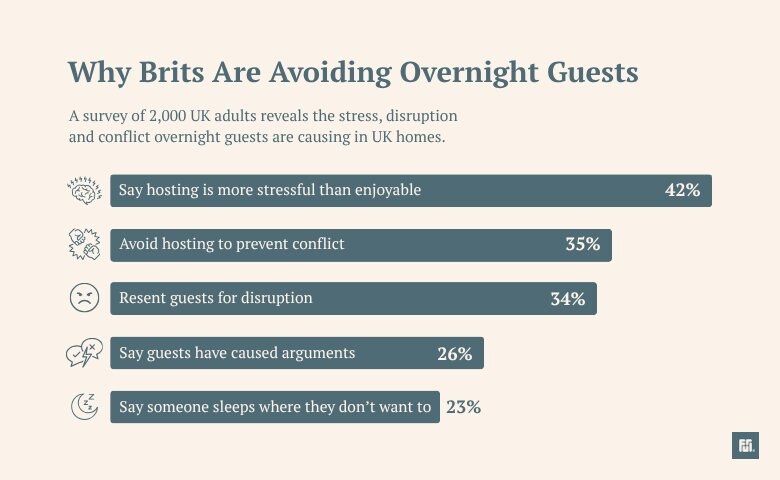
Hosting can place real strain on relationships and living arrangements. Over a third of respondents (34%) say they sometimes resent overnight guests because of the disruption they cause, and 38% admit they have sacrificed their own comfort in an effort to keep the peace while guests stay over.
Sleeping arrangements are a particular pressure point. Nearly a quarter of Britons (23%) say hosting overnight guests usually means someone in the household ends up sleeping somewhere they don't want to, while 22% say disagreements over where guests sleep have caused arguments at home.
Nearly a third of UK adults (31%) say they do not have enough storage space, and more than a quarter (27%) say lack of space is putting pressure on their relationship.
Among Millennials aged 25 to 34, that figure rises sharply to 42% — suggesting younger households may be feeling the strain of smaller living spaces more acutely than older generations.
With many homes now expected to function as spaces to work, relax, socialise and host guests all at once, households are increasingly struggling to balance comfort, organisation and practicality.
With many households struggling for space, flexible furniture and smarter storage solutions are becoming increasingly important.
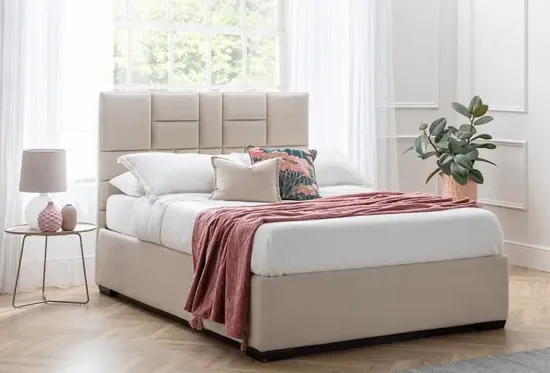
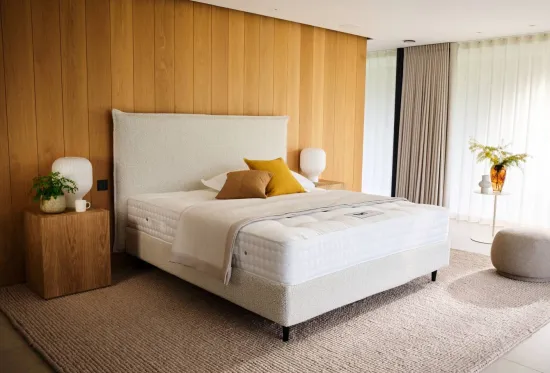
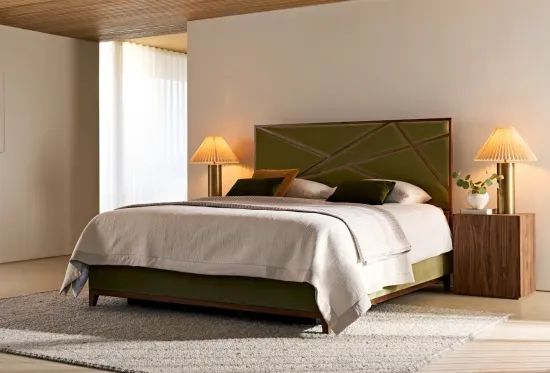
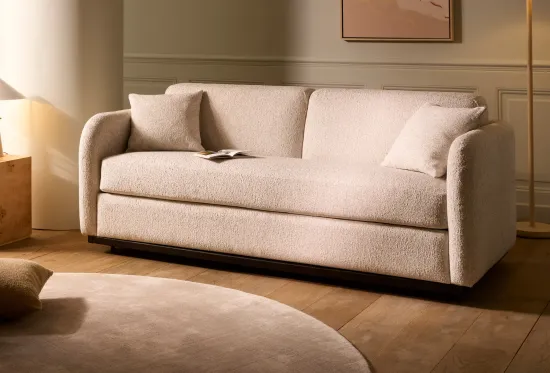
Multifunctional pieces such as storage beds and sofa beds can help households reduce clutter, create additional sleeping space for guests, and make smaller homes feel more organised without compromising on comfort.
As more Britons look for ways to host guests with less stress and keep clutter under control, adaptable furniture is becoming an essential part of everyday living.
Furl founder David Norman has spent twenty years designing space-saving furniture. His advice for reducing clutter without losing your weekend to it.
"It's understandable to feel pressure to make your home look perfect for guests, particularly when hosting parents or in-laws. But in reality, comfort matters far more than perfection. A welcoming environment, somewhere comfortable to sleep, and a warm welcome will always count for more than an immaculately tidy home."
"Don't get carried away worrying about things guests will never see — it only adds to the stress. Focus on visible clutter first. Clearing surfaces, organising entryways and keeping shared spaces tidy is one of the quickest ways to make a home feel calmer and more organised."
"More than half of those we surveyed have a dedicated storage space where everyday items can be hidden away. That makes a huge difference in how cluttered a home feels, particularly in smaller spaces. When guests come over, you may not need certain items left out — having hidden storage in something like a storage sofa is an easy way to reduce visual clutter."
"Big deep cleans and 'Sunday resets' have become popular on social media, but they're not practical to keep up when you're juggling busy lives. Small daily resets — built into your routine — are far more manageable and effective when preparing for guests, and make the whole experience feel far less overwhelming."
"Half of our respondents told us clutter negatively affects their stress levels. When your home feels cluttered, it becomes harder for the brain to properly switch off — visually busy spaces create a sense that there are unfinished tasks demanding your attention. Calm at home starts with calm in the spaces around you."
The research was conducted through a nationally representative survey of 2,000 UK adults between 24 April 2026 and 27 April 2026. All percentages are rounded to the nearest whole number.