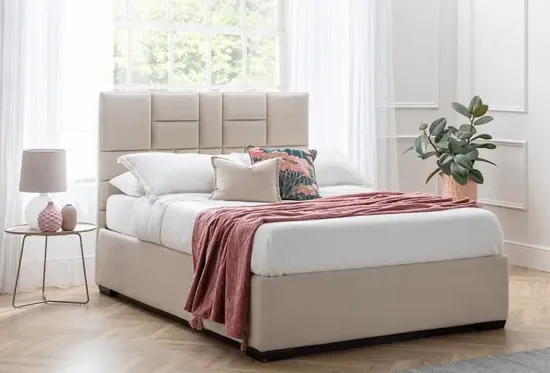
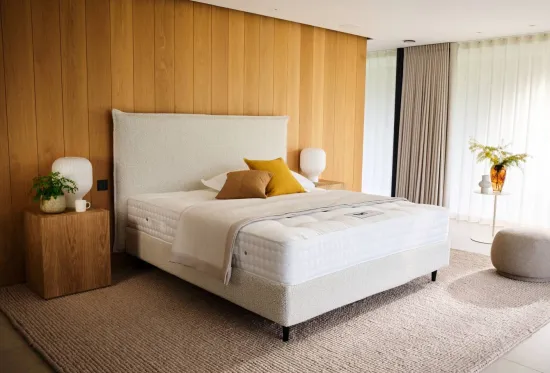
- Small Double Storage Beds
- Double Beds with Storage
- Small Double Ottoman Beds
- King Size Ottoman Beds
- Super King Size Ottoman Beds
Call us or Visit a showroom for expert personal advise and attention.
How to Choose an Ottoman Bed That Maximises Tiny Bedroom Space
- Updated :
- Published :
- Author David Norman
- label Guides
| Feature | What Maximises Space | What Wastes Space |
|---|---|---|
| Frame Size | 2–4cm beyond mattress | 10cm+ chunky borders |
| Storage Depth | 25–40cm matching actual needs | Too shallow or unnecessarily deep |
| Lift Height | 1.5–1.7m for full access | Under 1.2m limiting rear access |
| Visual Design | Light colours, raised legs | Dark heavy fabrics, ground-level bulk |
| Delivery Method | Sectional through doorways | One-piece blocking access |
1. Measure Frame Footprint, Not Just Mattress Size
The single biggest space-wasting mistake in tiny bedrooms is assuming all ottoman beds occupy identical floor space for a given mattress size. Frame construction varies dramatically. Furl's ottoman beds extend just 2cm beyond mattress dimensions per side - meaning a king-size bed occupies 154 x 204cm total floor space. Competitors often add 8-12cm per side for decorative borders and bulkier construction, consuming 164 x 224cm or more for identical king-size mattresses.
In a tiny bedroom, that 10cm difference per side totals 20cm extra length and width - nearly half a square metre of wasted floor space. Multiply across bed perimeter and the lost circulation space becomes genuinely constraining. Always ask manufacturers for actual frame dimensions, not just compatible mattress sizes. Compare total footprints between models. In tiny bedrooms, minimal-frame engineering isn't aesthetic preference - it's spatial necessity.
Space-Maximising Action: Request exact frame dimensions in centimetres. Calculate total floor footprint including frame. Compare multiple brands - differences of 15-25cm total perimeter are common and significant in tiny rooms.
2. Match Storage Depth to What You'll Actually Store
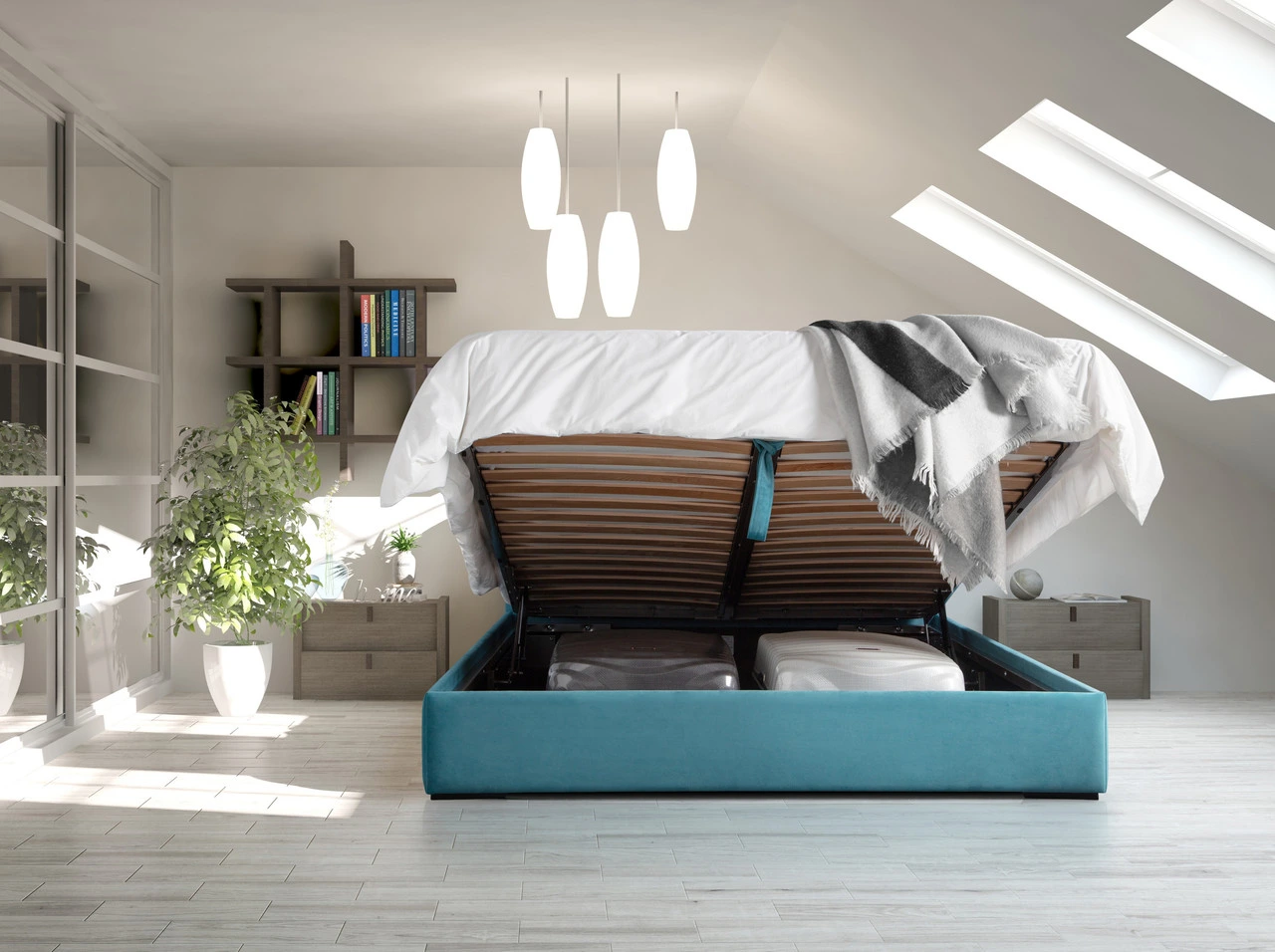
Deeper storage seems automatically better, but in tiny bedrooms, excessive depth creates problems. If storing primarily bedding, pillows, and folded clothing, 25-30cm depth suffices perfectly. Choosing 40cm depth for these items means beds sit 15-20cm higher than necessary, creating awkward proportions in already-constrained vertical spaces and requiring step stools for comfortable bed access.
Conversely, underestimating storage needs means full-size suitcases (typically 28-30cm deep) won't fit, defeating the ottoman bed's core purpose. Measure your tallest storage items before selecting depth. Furl offers ottoman beds from 20cm (Low model for loft bedrooms) to 40cm (Max for bulky item storage), with multiple options between. The Plus option adds 5cm to any model, fine-tuning storage without committing to next size up.
Space-Maximising Action: Measure current storage items vertically. Add 2-3cm clearance. Choose ottoman depth matching this measurement - not maximum available depth.
3. Prioritise Lift Height for Rear Access
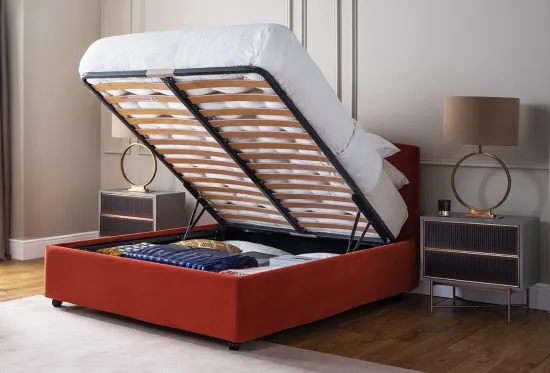
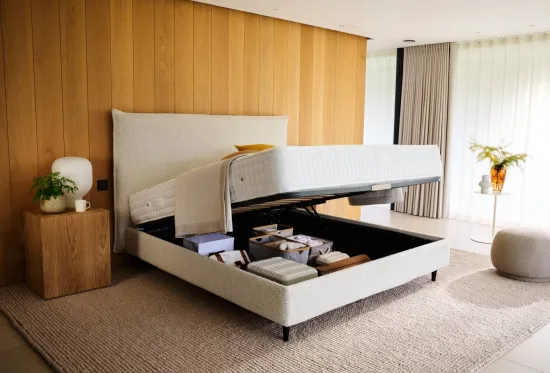
Ottoman beds lifting only 1-1.2 metres create frustrating access challenges. Items stored at the back prove difficult reaching from the front, meaning you constantly remove front items to access rear storage. In tiny bedrooms where ottomans often position against walls or in corners, inadequate lift height renders back half of storage practically useless - wasting the space-maximising capacity you purchased the ottoman to provide.
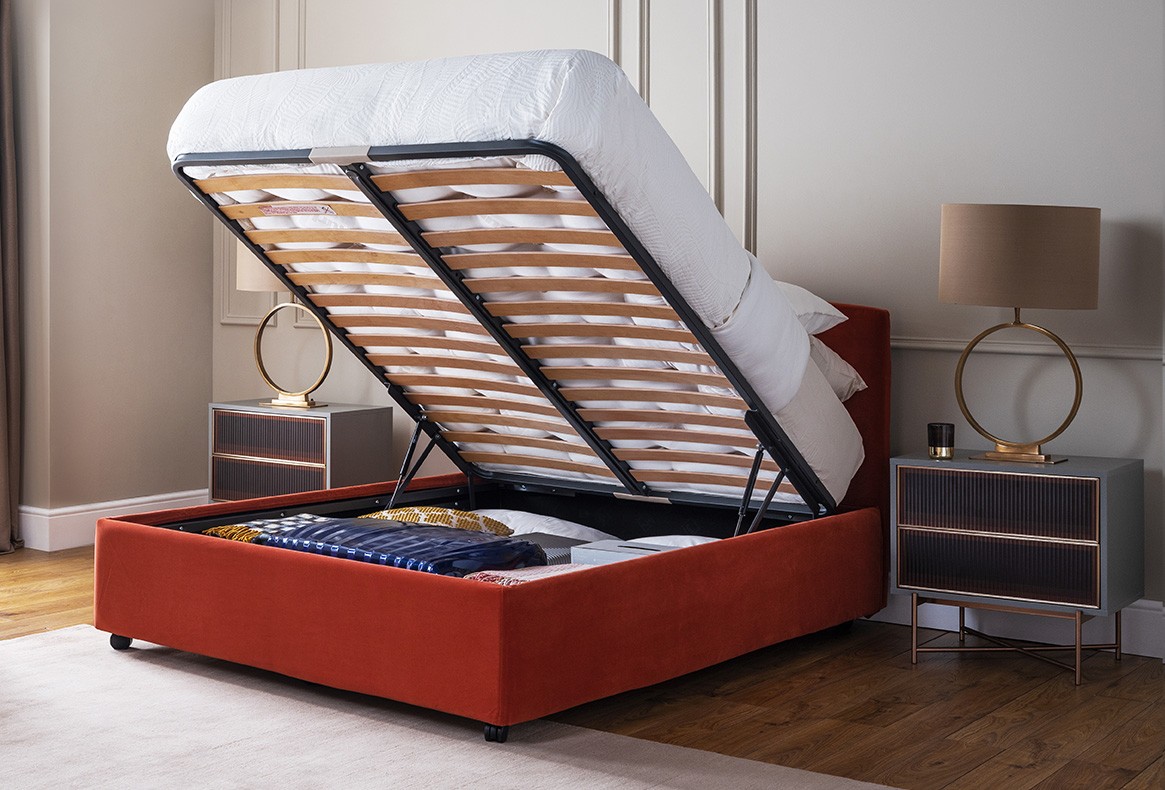
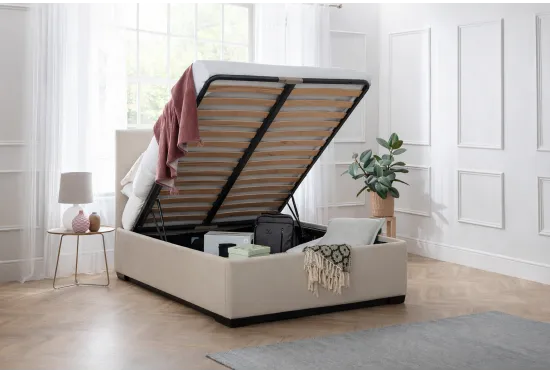
Furl's ottoman beds lift to 1.7 metres - industry-leading height enabling comfortable reach even to items at the very back. This matters enormously in tiny bedrooms where repositioning beds for access proves impossible. Gas-lift mechanisms make this height achievable without excessive effort. Electric mechanisms eliminate effort entirely, though manual gas-lift works perfectly for most users and lighter mattresses.
Space-Maximising Action: Test ottoman lift in showrooms. Reach toward the back whilst standing normally. If reaching feels awkward or requires leaning uncomfortably, that ottoman won't maximise your storage in actual use.
4. Choose Visual Lightness Over Bulk
In tiny bedrooms, furniture's visual weight dramatically impacts how cramped or comfortable spaces feel. Ground-level ottoman beds in dark heavy fabrics make small rooms feel smaller through psychological weight, even when floor footprints match lighter alternatives. Several design choices create visual lightness maximising perceived space:
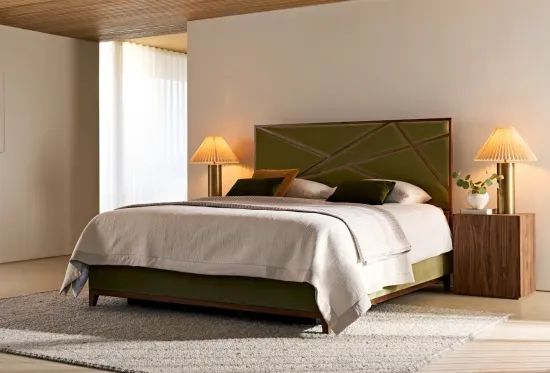
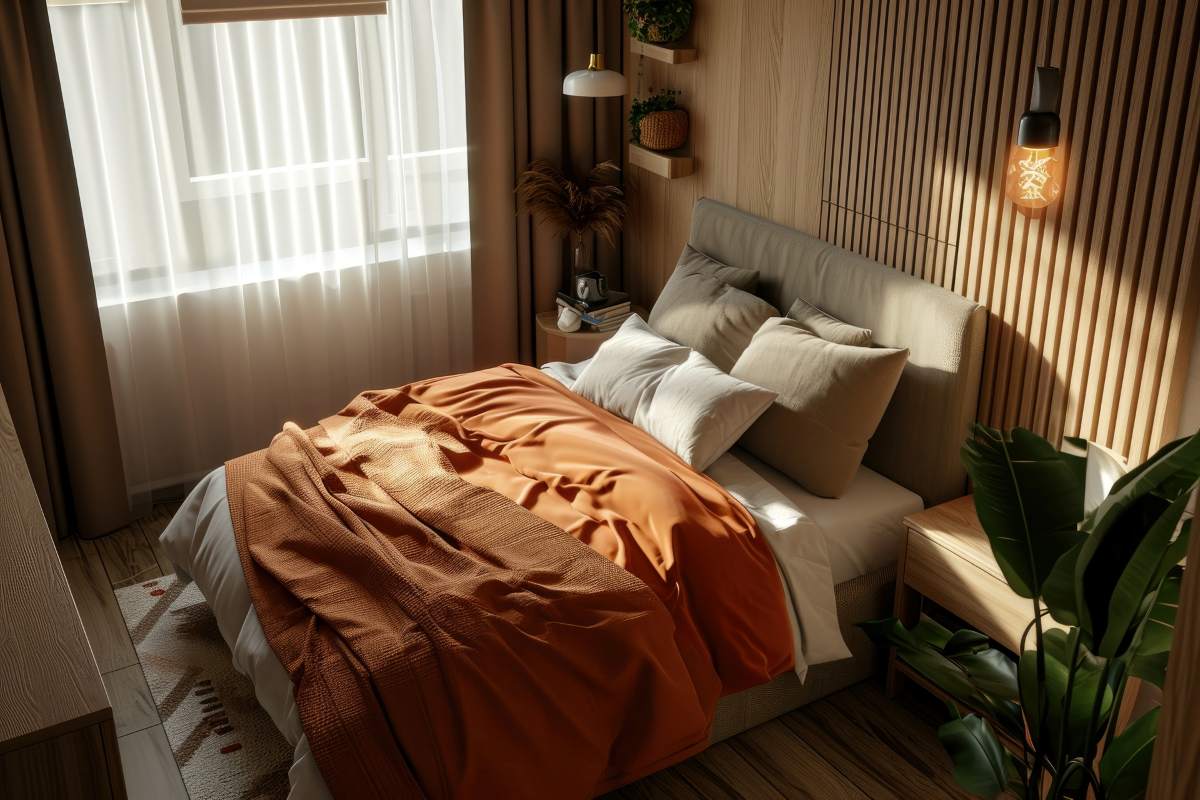
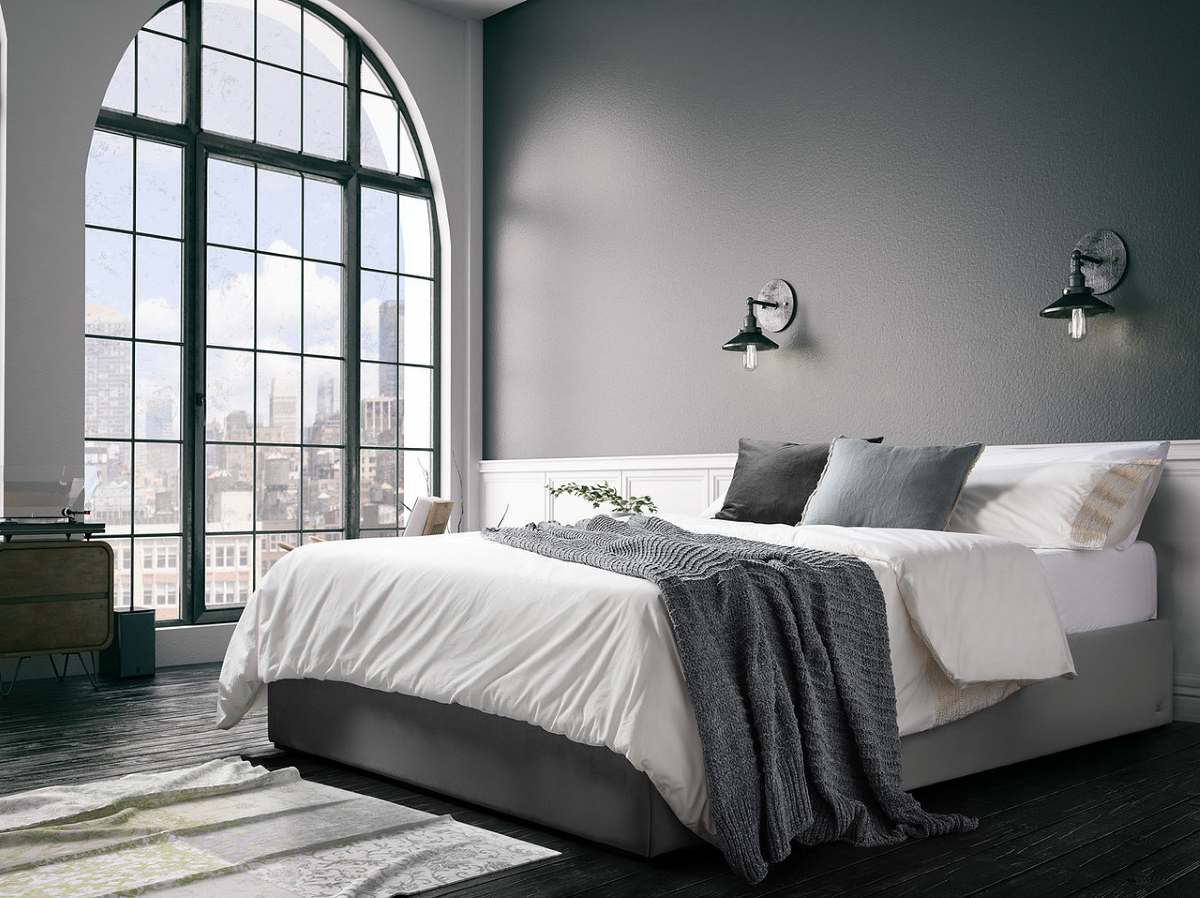
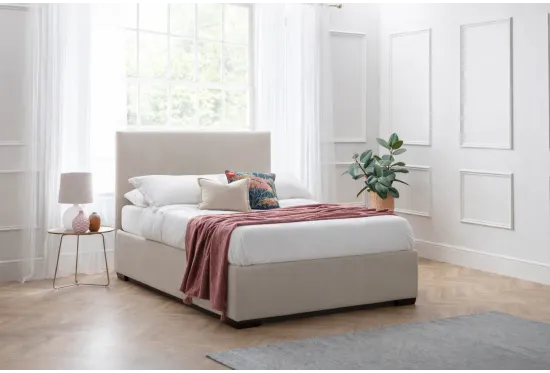
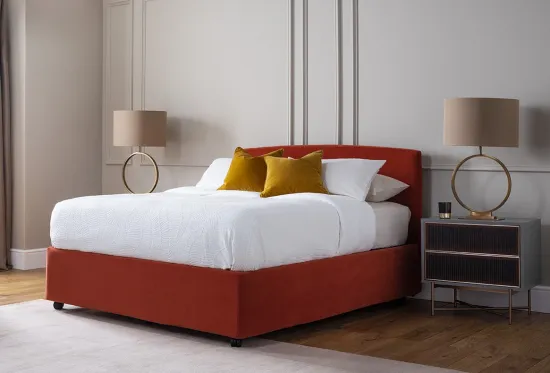
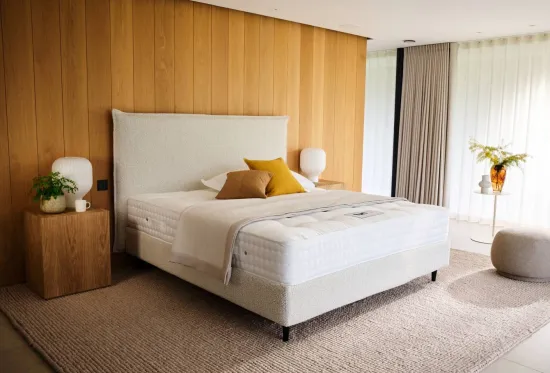
Raised legs (like Furl's Air model) elevate beds visibly, allowing sightlines beneath and creating floating illusion. This psychological effect genuinely makes tiny bedrooms feel less crowded. Light-coloured upholstery reflects available light, brightening spaces. Wood accents (like Illusion's detailing) add warmth without heaviness. Conversely, ground-level beds in charcoal or navy fabrics anchor rooms heavily, emphasising constraint rather than space.
Space-Maximising Action: Order fabric samples (Furl offers free samples). Test them in your actual bedroom lighting. Dark samples appearing elegant in bright showrooms often feel oppressive in north-facing tiny bedrooms with limited natural light.
5. Verify Sectional Delivery for Tight Access
The most space-maximising ottoman bed proves useless if it can't navigate your building's access. Tiny bedrooms often exist in converted flats, period buildings, or upper floors with narrow staircases and tight doorways. One-piece ottoman beds frequently trap in hallways, unable to pivot around corners or fit through 75cm doorways when angled.
Quality ottoman beds arrive in sections: separate base, sides, optional headboard, all fitting through standard doorways when carried individually. Professional installers then assemble in your bedroom. Furl's sectional delivery specifically engineers components navigating typical period building constraints - narrow Victorian staircases, tight Georgian doorways, awkward maisonette corners. This capability ensures space-maximising beds actually reach the tiny bedrooms they're designed for.
Space-Maximising Action: Measure your narrowest doorway and tightest staircase turn. Verify ottoman delivery sections fit these dimensions individually. Confirm professional in-room assembly included, not DIY flat-pack.
6. Consider Bespoke Sizing for Awkward Dimensions
Tiny bedrooms rarely feature perfect rectangular proportions. Chimney breasts, alcoves, sloped ceilings, and awkward corners create irregular floor space where standard bed sizes waste potential. A standard double bed (135 x 190cm) might fit, but leave frustrating 15cm gaps unusable for circulation yet preventing furniture placement. Custom 145 x 190cm sizing could maximise that alcove perfectly whilst maintaining double bed comfort.
Furl manufactures ottoman beds to order in any UK, European, or bespoke dimensions. Custom sizing costs more initially but genuinely maximises tiny bedroom functionality. Measure your bedroom's usable floor space, accounting for door swing, circulation needs, and other furniture. Calculate whether custom dimensions capture currently-wasted space. In genuinely tiny bedrooms, the 10-15cm gained through bespoke sizing can meaningfully improve livability.
Space-Maximising Action: Sketch your bedroom to scale. Map current furniture placement. Identify wasted gaps around standard bed sizes. Calculate whether bespoke dimensions capture this space usefully.
What to Look For When Choosing
Undivided storage: Internal dividers limit storage flexibility. Choose ottomans with single undivided compartments.
Side or end opening: Beds against walls need side opening. Beds with foot clearance can use end opening.
Fabric durability: Tiny bedroom furniture gets more contact. Choose hard-wearing fabrics rated for heavy use.
Mattress compatibility: Verify ottoman supports your mattress type and weight. Heavier memory foam may require electric mechanisms.
Warranty length: Quality ottomans offer 5+ year mechanism warranties. Shorter warranties suggest cheaper components.
Optional headboards: Buying headboards separately allows budget phasing. Verify retrofit compatibility before purchasing a bed.
FAQs
1. What's the smallest bedroom size suitable for ottoman beds?
Ottoman beds work in bedrooms as small as 2.5 x 2.8 metres (roughly 7 square metres), provided you choose appropriate bed size and minimal-frame construction. A small double (120 x 190cm) ottoman with 2cm frames occupies 124 x 194cm floor space, leaving adequate circulation in 2.5-metre width. Prioritise storage depth matching your needs rather than maximum depth - keeping bed height comfortable in compact vertical spaces.
2. Should I choose single or double ottoman beds for tiny bedrooms?
Small doubles (120cm width) offer optimal compromise - meaningful storage capacity, comfortable solo sleeping, occasional guest accommodation, whilst consuming 15cm less width than standard doubles. Single ottomans (90cm) maximise floor space but provide less storage capacity, potentially necessitating additional furniture defeating space-saving purpose. Measure your bedroom, allowing 60cm minimum circulation space on at least two sides.
3. Do ottoman beds work in studio flats and bedsits?
Yes, particularly in studios where bedroom furniture must coexist with living space. Ottoman storage eliminates separate wardrobes or chests, freeing floor space for sofas or desks. Choose ottoman beds without bulky headboards in studio layouts, or wall-mount headboards separately creating focal points without consuming floor space. Light-coloured fabrics and raised-leg designs prevent beds from dominating visually in multi-purpose rooms.
4. How do I maximise ottoman storage in tiny bedrooms?
Store seasonal items (winter coats, holiday clothing) rather than daily-use items reducing access frequency. Use vacuum storage bags compressing bulky bedding and clothing, multiplying effective capacity. Place frequently-needed items at front of storage, rarely-used items at back. Label stored items or photograph storage layout - in tiny bedrooms, knowing exactly what's stored where prevents disruptive searching.
5. Are wooden ottoman beds better than upholstered for tiny bedrooms?
Neither inherently better - choose based on aesthetic preference and maintenance requirements. Wooden ottomans (like Furl's wood range) suit Scandi-minimal tiny bedroom schemes, showing marks less than light-coloured fabrics. Upholstered ottomans offer more colour/texture options matching existing décor, softer visual presence, but require more careful maintenance in high-contact environments. Both offer identical storage capacity and space-saving engineering.
The Bottom Line
Maximising tiny bedroom space through ottoman beds requires precision thinking about measurements, storage needs, and visual impact rather than simply purchasing the first "space-saving" bed marketed. Frame footprints varying by 15-25cm total perimeter make enormous differences in genuinely constrained spaces. Storage depth matching actual needs prevents unnecessarily high beds creating awkward proportions. Lift height determines whether ottoman storage proves practically accessible or frustratingly limited.
Visual design choices - raised legs versus ground-level, light versus dark fabrics, refined versus bulky detailing - psychologically impact whether tiny bedrooms feel comfortable or oppressive. Sectional delivery capability separates ottomans that actually reach tiny bedrooms in period buildings from beautiful beds trapped in hallways. Bespoke sizing captures wasted gaps around standard dimensions, genuinely maximising usable space.
Ottoman beds transform tiny bedrooms when chosen strategically, eliminating bulky storage furniture whilst providing comfortable sleeping. Poor ottoman choices worsen cramped conditions through space-wasting frames, inaccessible storage, or overwhelming visual presence. Measure meticulously, prioritise space-conscious engineering over decorative bulk, and choose ottoman beds genuinely designed for compact living rather than just marketed toward it.
Related Products
David Norman
David Norman is the founder of Furl, a UK-based furniture brand known for redefining how people live with space-saving, design-led storage beds and sofa beds.
With almost two decades of hands-on experience in product design, manufacturing, and brand strategy, David has built Furl into a trusted name among urban professionals seeking calm, clutter-free homes. His work has been recognised for its innovation and craftsmanship, with features in publications such as Yahoo Finance and The Telegraph.
David continues to lead Furl’s creative direction, developing furniture that solves real-world problems without compromise.