Walk into any high street furniture shop and you'll find sofas for £399, bed frames for £150, dining tables that cost less than a decent pair of shoes. It feels like a bargain. Something for nothing. A way to furnish your home without the financial sting that usually comes with it.

But cheap furniture isn't cheap. Not really. It just defers the cost - in replacement cycles, in environmental damage, in the quiet dissatisfaction of living with things that don't quite work.

At Furl, we're often asked why our furniture costs what it does. The better question is why so much furniture costs so little, and what you're actually trading away when you choose it.

Man assembling furniture in a bright living room during the day

The Illusion of Affordability

A £400 sofa seems affordable until you calculate its cost per year of use.

Cheap furniture is designed for obsolescence. Not explicitly - no one admits to building things that fall apart - but implicitly, through material choices and construction methods that prioritise speed over durability. Particleboard frames. Foam cushions that compress within months. Joints held together with staples and hope.

It looks fine in the showroom. It even looks fine for the first year, maybe two. And then the cushions sag. The frame creaks. The fabric pills or tears. Suddenly you're shopping again, spending another £400, restarting the cycle.

Over a decade, that's two or three replacements. Over two decades, it's four or five. The cumulative cost exceeds what you'd have spent on a single, well-made piece that would still be going strong.

This isn't theoretical. It's the pattern most people fall into without realising, because the upfront price feels manageable and the long-term cost remains invisible until you're in it.

What You're Not Paying For

Cheap furniture is cheap because something, somewhere, has been compromised.

Sometimes it's materials. Solid wood replaced with MDF. High-density foam swapped for cheap polyurethane that flattens under body weight. Fabrics chosen for cost rather than durability, so they fade, pill, or snag within months.

Sometimes it's labour. Furniture made in factories where workers are paid wages you wouldn't accept, under conditions you wouldn't tolerate. The savings passed on to you are extracted from people who have no leverage to refuse.

Sometimes it's corners cut in construction. Joints glued rather than dowelled. No corner bracing. Slats spaced too widely to support a mattress properly. Small omissions that don't show up in photographs but reveal themselves in use.

And sometimes it's environmental cost. Unsustainably sourced timber. High-emission manufacturing. Shipping goods across continents because labour is cheaper elsewhere, then disposing of them after a few years because repair isn't economically viable.

The £400 sofa isn't a miracle of efficiency. It's a deliberate trade-off, and you're the one absorbing the hidden costs.

The Replacement Treadmill

Cheap furniture creates a cycle that's hard to escape. You buy a sofa. It wears out. You buy another. And another. Each time, you tell yourself you'll invest in something better eventually - when you have more money, when you've moved somewhere permanent, when life settles down.

But life doesn't settle down. And the treadmill keeps turning, because once you're in the pattern of replacing furniture every few years, it becomes normalised. You stop expecting things to last. You accept that sofas sag, bed frames creak, and tables wobble after minimal use.

Meanwhile, the environmental cost mounts. Furniture is one of the hardest household items to recycle. Most of it ends up in landfill, where particleboard and foam contribute to waste that takes decades to decompose.

We're not moralising. We understand budget constraints. But if you can afford to spend £400 every few years, you can afford to spend more once and stop the cycle entirely.

The Quality Gap Is Widening

There used to be a middle ground - furniture that wasn't luxury but wasn't disposable either. Solid construction, reasonable pricing, built to last a decade or more.

That middle ground has largely disappeared. The market has polarised into budget flat-pack and high-end designer pieces, with very little in between. You're either buying furniture that's designed to be replaced, or you're paying for something genuinely built to last.

The gap isn't just about price. It's about philosophy. Budget furniture is optimised for shelf appeal and low production costs. Quality furniture is optimised for longevity and daily use. They're solving different problems, which is why comparing them on price alone misses the point.

When we talk about the difference between luxury and budget furniture, we're not talking about prestige or status. We're talking about whether the frame is solid timber or chipboard. Whether the joints will hold or loosen. Whether you'll still want it in ten years or be searching for a replacement in three.

What Good Furniture Actually Costs

Let's be specific. A Furl sofa bed costs between £2,000 and £4,000, depending on size and fabric. That's not pocket change.

But it's also a sofa and a bed. Two pieces of furniture in one, both functioning properly rather than one being a compromise. The frame is kiln-dried hardwood, dowelled and glued. The mattress is pocket-sprung, designed to be slept on regularly, not just occasionally. The mechanism is engineered to withstand thousands of open-and-close cycles without failing.

We offer a 60-day trial on selected pieces, because we know the investment feels significant. We also offer a free home measuring service, modular delivery, and installation by our own team - not because we're unusually generous, but because that's what's required to deliver furniture of this quality into real homes.

If you use it daily for twenty years, the cost per day is negligible. If it eliminates the need for a second bed or allows you to live comfortably in a smaller space, it saves you money in rent or mortgage payments. The calculation shifts when you account for longevity and functionality, not just upfront price.

The Emotional Cost No One Mentions

Cheap furniture affects how you feel in your home in ways that are hard to quantify.

There's a low-level dissatisfaction that comes from living with things that don't quite work. A sofa that's uncomfortable to sit on for more than an hour. A bed frame that creaks every time you move. A table that wobbles unless you fold cardboard under one leg.

These aren't deal-breakers. You adapt. But adaptation has a cost - a constant, barely conscious awareness that your furniture isn't quite right, that your home could feel better if only you'd chosen differently.

Good furniture removes that friction. You stop thinking about whether the sofa is comfortable, because it is. You stop noticing the bed frame, because it doesn't make noise. Your home becomes a place where things just work, and you're free to focus on living rather than managing around inadequacies.

That shift is worth more than the price difference suggests.

Building for Keeps

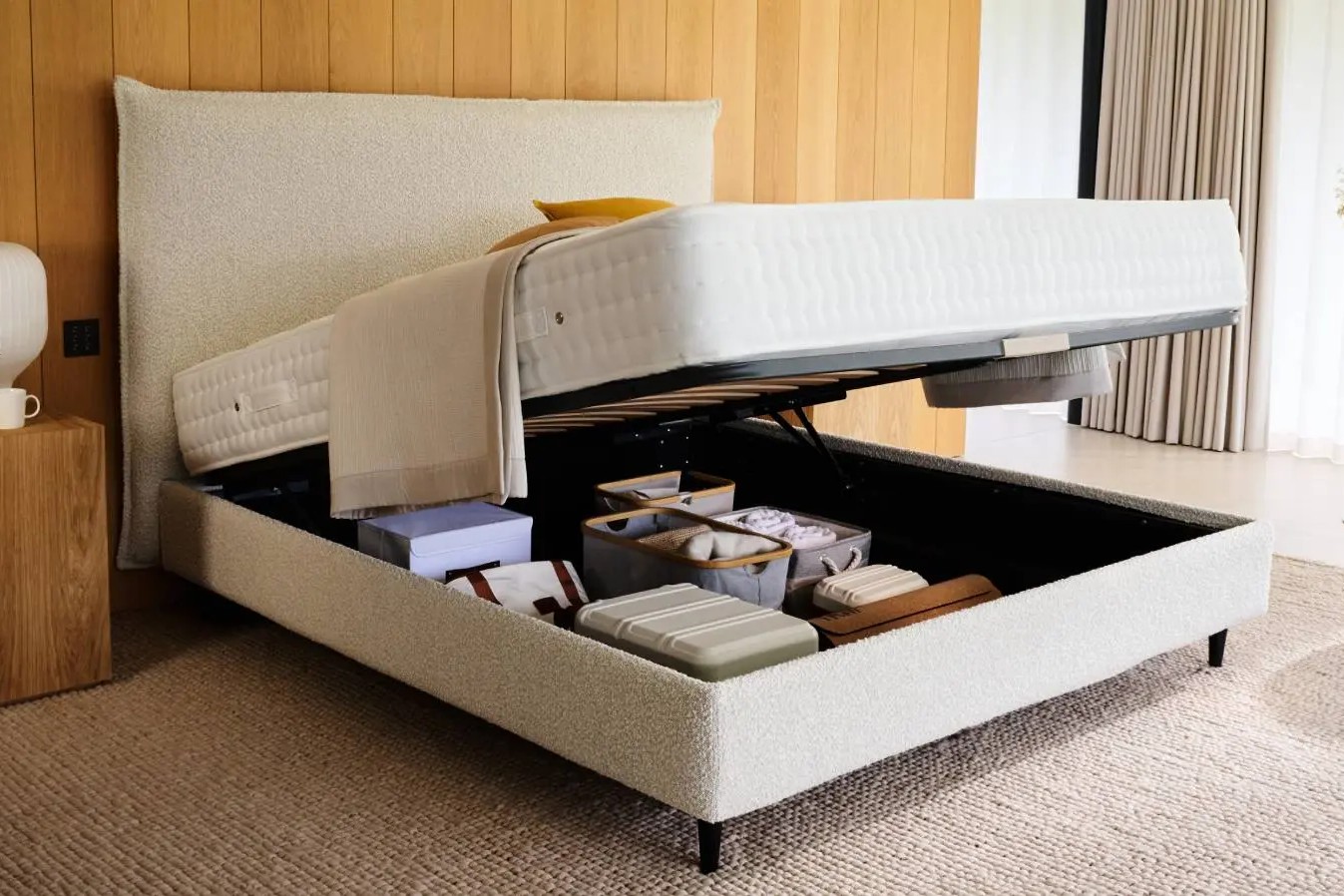
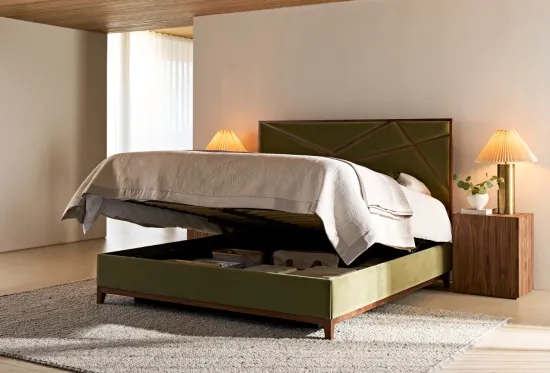
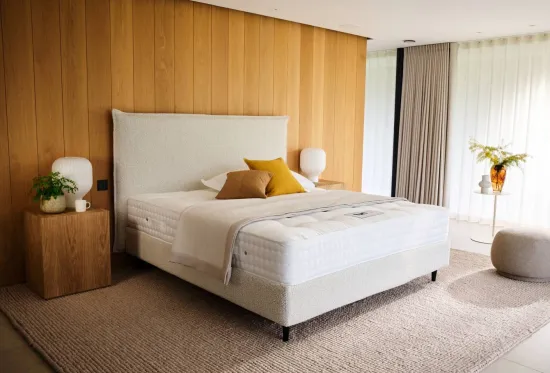
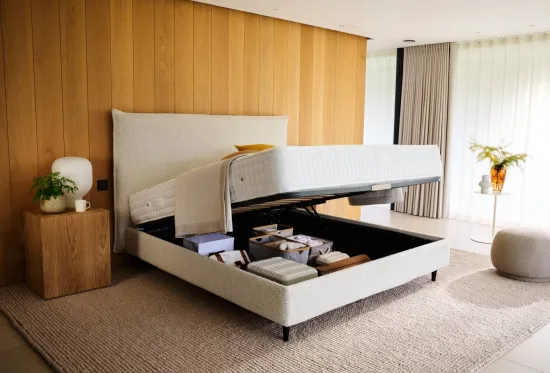
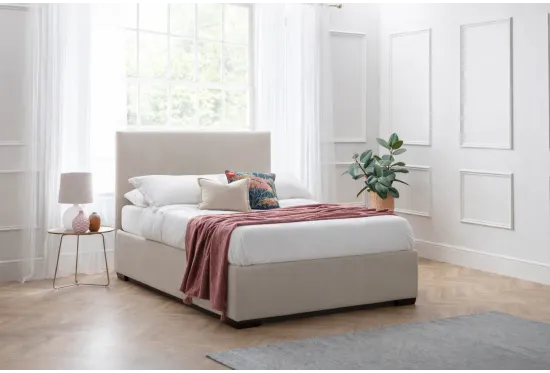
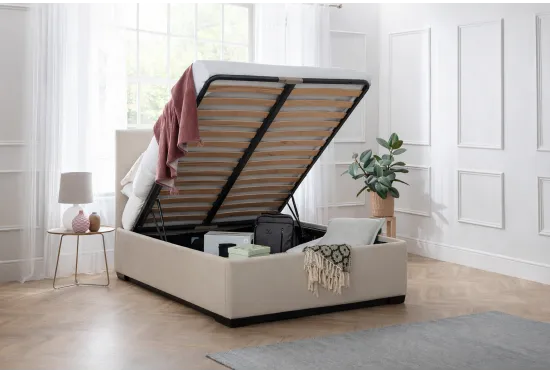
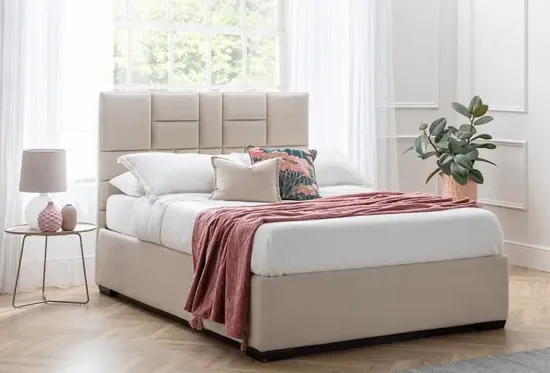
At Furl, we build innovative bed frames with built-in storage because we believe furniture should solve problems, not create them.

Every piece we make is constructed from materials that will outlast trends. We don't use particleboard, because it sags and weakens. We don't use cheap foam, because it compresses. We don't cut corners on joinery, because we're designing for decades, not seasons.

This approach costs more. It takes longer. It requires skilled labour, quality materials, and a willingness to turn down shortcuts that would increase margins.

But it's also the only approach that makes sense if you care about what you're making and who you're making it for.

The Real Question

The question isn't whether you can afford good furniture. It's whether you can afford to keep replacing bad furniture.

Cheap sofas, cheap beds, cheap tables - they all seem like sensible compromises in the moment. And then five years pass, and you're shopping again, spending again, frustrated again.

The hidden cost isn't just financial. It's the waste, the inconvenience, the low-grade disappointment of living with things that were never designed to last.

Good furniture costs more upfront. But it's the last time you'll need to buy it. And that, ultimately, is what makes it affordable.

Related Products

David Norman

David Norman is the founder of Furl, a UK-based furniture brand known for redefining how people live with space-saving, design-led storage beds and sofa beds.

With almost two decades of hands-on experience in product design, manufacturing, and brand strategy, David has built Furl into a trusted name among urban professionals seeking calm, clutter-free homes. His work has been recognised for its innovation and craftsmanship, with features in publications such as Yahoo Finance and The Telegraph.

David continues to lead Furl’s creative direction, developing furniture that solves real-world problems without compromise.