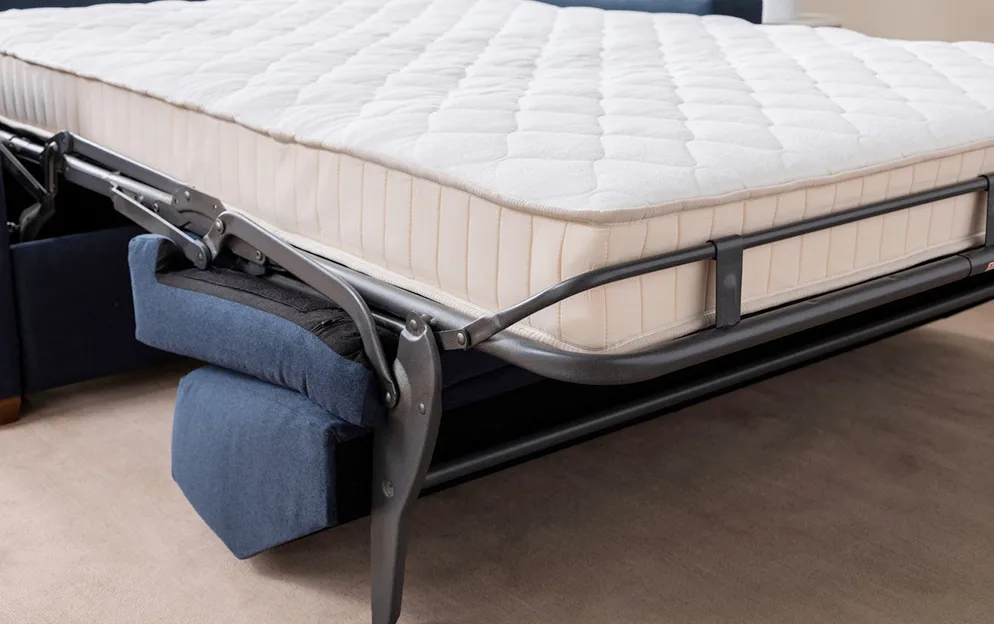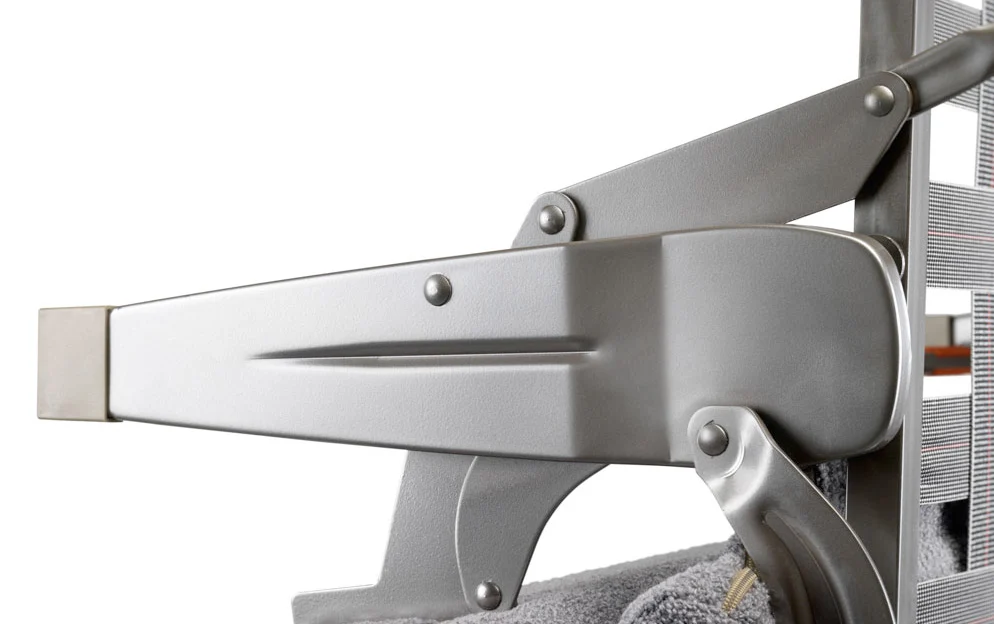
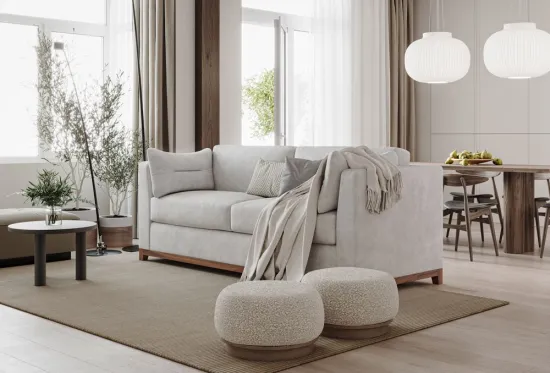
Most people never see the frame of their sofa. It's hidden beneath layers of foam, wadding, and fabric - doing its work quietly, holding everything together, determining whether the piece will last five years or fifty.

At Furl, we think about frames obsessively. Because we know that what you can't see matters more than what you can.

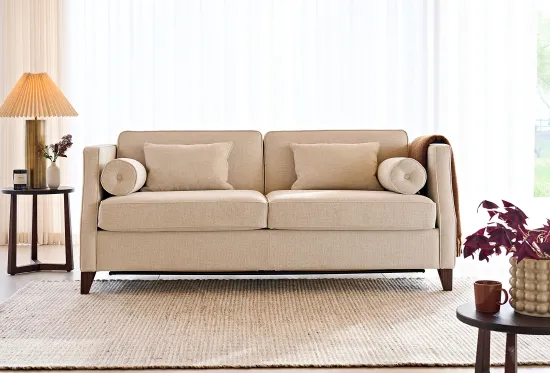
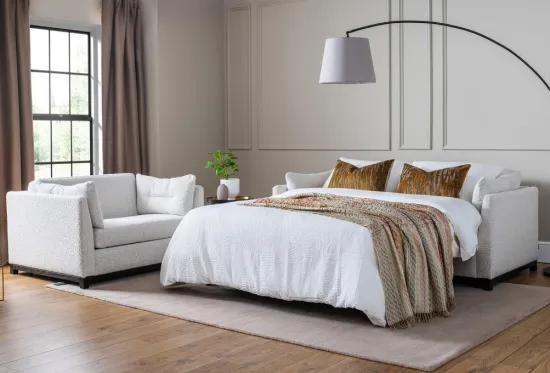
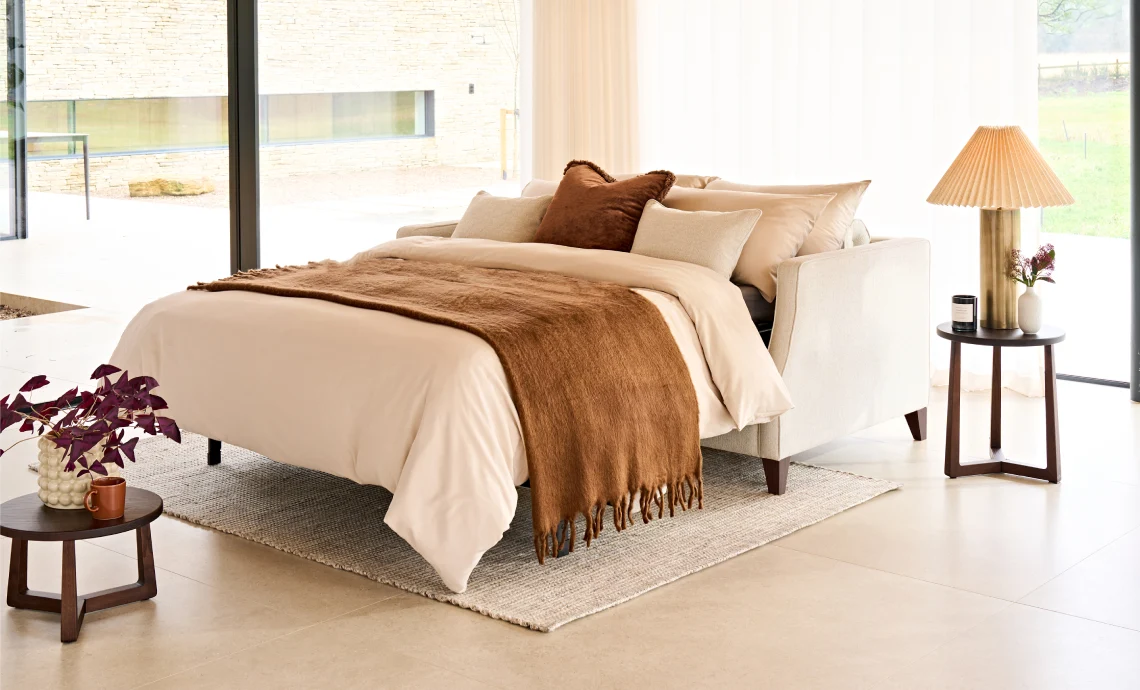
comfortable minimalistic modern interior space

The Architecture Beneath

A sofa frame is structural in the truest sense. It bears weight, absorbs movement, and defines how a piece ages. Cheap frames crack, warp, and sag. Good ones stay true - holding their shape long after trends have cycled through.

The material matters, but so does the craftsmanship. A hardwood frame poorly joined will fail faster than softwood done properly. It's why we build everything by hand in our Nottingham workshop, where each joint is considered and every piece of timber is chosen for purpose, not price.

Hardwood: The Gold Standard

Hardwood frames - beech, oak, ash - are what serious furniture makers reach for. Dense, stable, and built to outlast you, they're the choice when longevity isn't negotiable.

Beech, in particular, has become the benchmark for quality upholstery. It's strong without being brittle, takes joinery beautifully, and doesn't shift or settle over time. When we specify kiln-dried hardwood, it's because we're designing for decades, not seasons.

The weight of a hardwood frame feels reassuring when you move a sofa. There's a solidity to it - a sense that the piece was made to stay. It won't creak, won't flex, won't remind you of its presence except in how well it performs.

Softwood: Lighter, But Not Lesser

Softwoods like pine get dismissed too easily. Yes, they're less dense than hardwood, but that doesn't make them inferior - it makes them different.

A well-constructed softwood frame can be surprisingly durable, especially when it's kiln-dried and properly jointed. It's lighter, which matters if you're moving house or rearranging rooms. And in the hands of a skilled maker, it can hold up beautifully for years.

The trade-off is longevity. Softwood won't outlive hardwood, but for certain applications - guest room sofa beds, occasional seating - it's a perfectly sound choice. Just don't expect it to anchor a living room for twenty years.

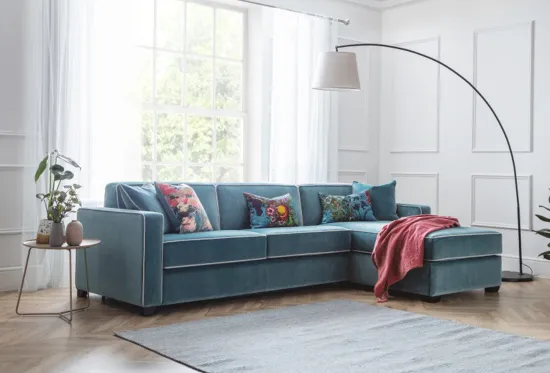
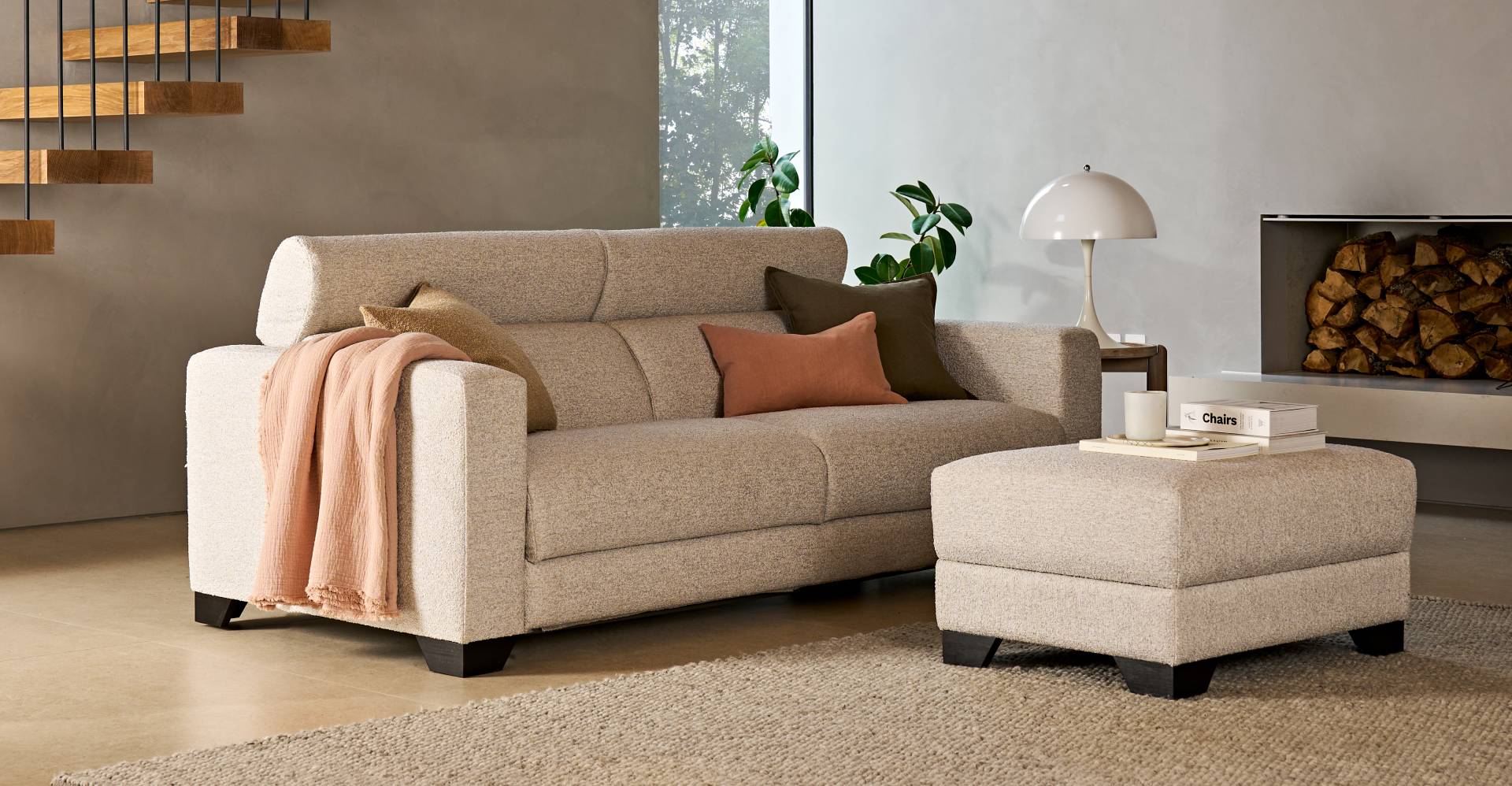
modern living room with a spacious sectional sofa

Engineered Wood: When Budget Dictates

Plywood, MDF, particleboard - these are the materials that dominate the flat-pack market. Engineered wood is affordable, consistent, and easy to work with at scale. It's also the reason most budget sofas don't make it past a house move.

The problem isn't the material itself. High-grade plywood, for instance, can be incredibly strong when used correctly. The issue is that it's rarely used correctly. Thin panels, inadequate bracing, joints that rely on glue and staples rather than proper carpentry - it's a recipe for sagging cushions and wobbly armrests.

If you're choosing between luxury and budget sofas, the frame is where the difference shows up first. Engineered wood keeps costs down, but it rarely keeps its shape.

Metal Frames: Modern and Minimalist

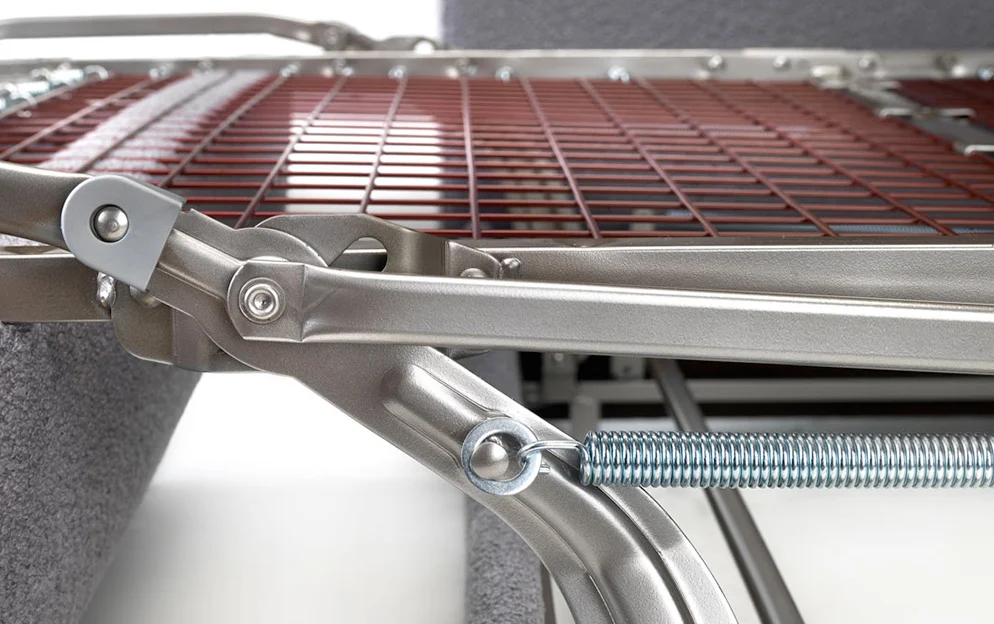
Steel and aluminium frames have their place, particularly in contemporary design. They're slim, strong, and allow for clean lines that would be impossible with timber.

Metal works brilliantly in certain contexts - modular systems, outdoor furniture, pieces designed to be moved frequently. But it doesn't suit everything. Metal conducts temperature, which can feel cold in winter. It can also be noisy, especially if joints aren't properly welded or cushioned.
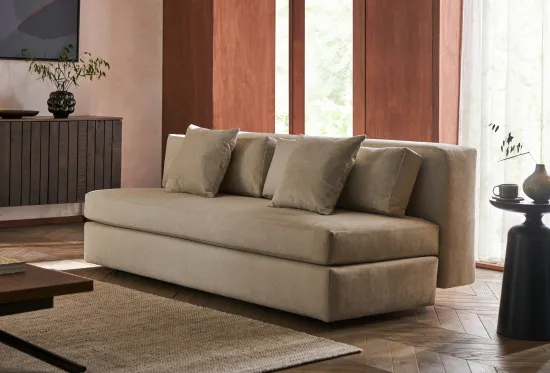
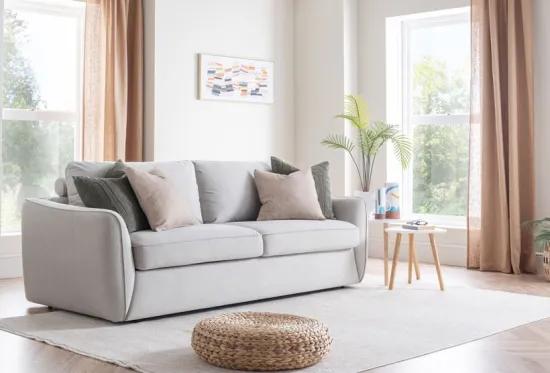
We don't use metal frames in our premium quality sofa beds built to last. For us, timber offers the right balance of strength, warmth, and longevity. But that's a design philosophy, not a universal rule.

What to Look For

When you're buying a sofa, ask about the frame. Not just the material, but how it's constructed. Are the joints dowelled and glued, or just screwed? Is the timber kiln-dried? Is there proper corner bracing?

A good maker will answer these questions willingly. A vague one won't know, or won't care.

Look for solid hardwood if you want a piece that lasts. Accept softwood if weight and budget are considerations. Avoid particleboard unless you're furnishing temporarily. And if metal appeals to you, make sure it's welded, not bolted.

Why Furl Builds Differently

We could use cheaper materials. It would be easier, faster, more profitable in the short term. But we're not interested in short-term furniture.

Every frame we build is designed to withstand daily use, years of sitting, the weight of sleep, the chaos of family life. We choose kiln-dried hardwood because it doesn't shift. We dowel and glue every joint because screws loosen. We build to order because mass production asks you to compromise, and we'd rather not.

It's not visible. But it's the reason our sofas feel different, sit differently, last differently.

Good furniture starts where you can't see it. And if you're going to invest in something you'll live with for years, it's worth knowing what's underneath.

Related Products

David Norman

David Norman is the founder of Furl, a UK-based furniture brand known for redefining how people live with space-saving, design-led storage beds and sofa beds.

With almost two decades of hands-on experience in product design, manufacturing, and brand strategy, David has built Furl into a trusted name among urban professionals seeking calm, clutter-free homes. His work has been recognised for its innovation and craftsmanship, with features in publications such as Yahoo Finance and The Telegraph.

David continues to lead Furl’s creative direction, developing furniture that solves real-world problems without compromise.

Got Questions? Lets Talk!